Softwood pulp prices expected to recover as supply tightens
Northern bleached softwood kraft pulp prices are expected to recover over the next two to three years as mill curtailments tighten supply and inventories normalize. Chinese demand remains the main external driver, while limited new softwood capacity and fibre constraints support the market.
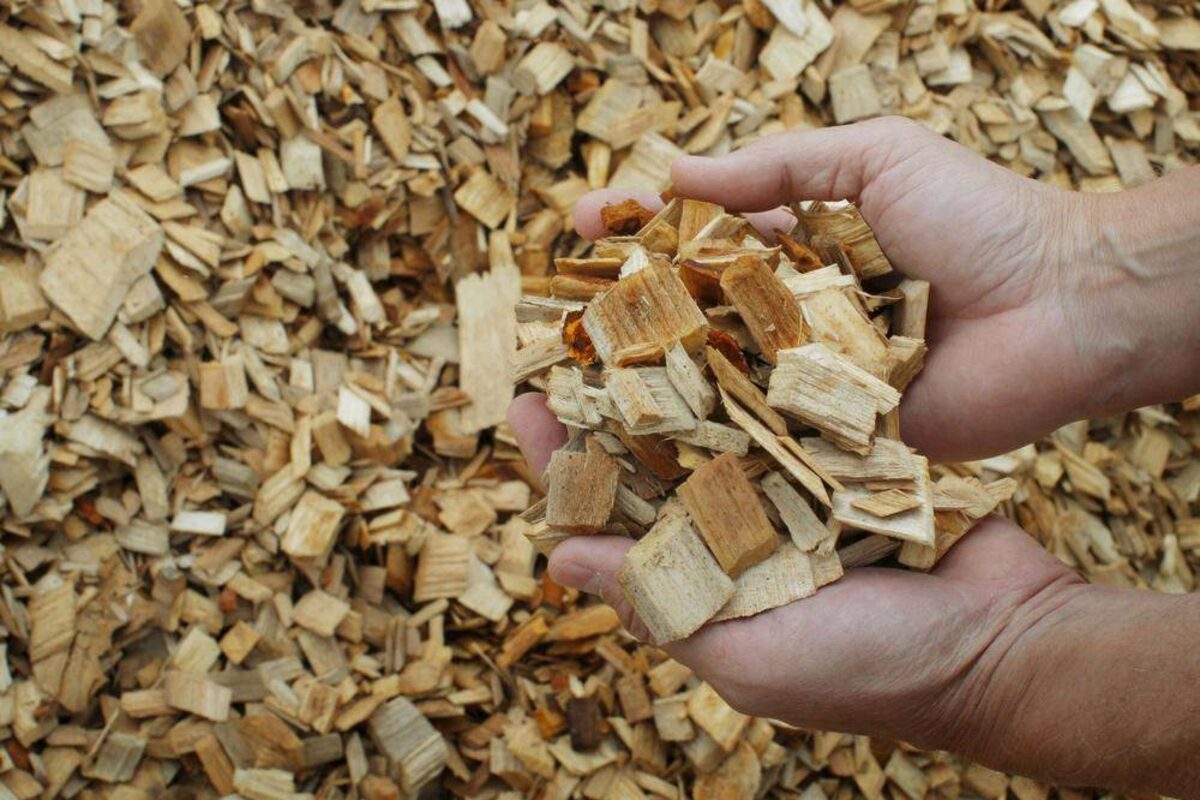
NBSK market emerges from a difficult cycle
Canadian northern bleached softwood kraft pulp has endured a difficult three-year cycle after exceptionally strong post-pandemic prices. The Globe and Mail reports that slower Chinese demand, rising producer inventories and new hardwood pulp capacity in South America weakened the market. The outlook for the next two to three years is now cautiously positive, although price movements are expected to remain volatile.
NBSK does not trade on a futures market, creating two distinct pricing references. The public list price is currently around US$1,550, while the spot price is near US$700. Long-term contracts generally apply a negotiated discount to the list price, whereas short-term business begins closer to the spot market. This unusually wide spread complicates price discovery for producers, buyers and traders.
Inventory remains a direct pricing driver. Global pulp stocks have ranged between 30 and 48 days during the past decade and currently stand at 42 days. A recovery will depend partly on inventories moving closer to normalized levels.
China and limited softwood expansion shape the outlook
China remains the most important external influence on Canadian pulp prices because it is the world’s largest importer of market pulp. Changes in Chinese inventories, paper output and economic growth can quickly affect global prices. Strong purchasing supports Canadian suppliers, while destocking and weaker manufacturing put immediate pressure on the market.
The supply outlook distinguishes softwood pulp from hardwood grades. Very little new softwood capacity is being built globally, while several high-cost mills in Canada and Europe have curtailed production. These reductions are gradually tightening supply. If Chinese demand improves as inventories normalize, NBSK prices should recover, according to the analysis published by The Globe and Mail.
Canada’s operating base has already contracted sharply. The country had about 75 to 85 pulp-producing mills in the mid-1990s, compared with approximately 38 today. The collapse of demand for newspapers, magazines, catalogues and office paper removed many smaller, higher-cost operations. Surviving mills have become more efficient and increasingly focus on market pulp, packaging, tissue and specialty products.
Packaging demand meets tighter fibre availability
Mechanical pulp has also adapted to changes in end markets. Traditional groundwood pulp and thermo-mechanical grades declined with newsprint and magazine paper, but CTMP and BCTMP gained roles in packaging board, tissue and specialty products. Their bulk and stiffness at a lower cost than kraft pulp make them useful for e-commerce packaging and other applications that could provide relatively stable long-term demand.
Recycled fibre now represents more than 40% of total fibre furnish, up from roughly one-quarter in the mid-1990s. This expansion has reduced virgin-pulp demand, but recycled fibres lose strength through repeated use, preserving a continuing requirement for new virgin fibre. Meanwhile, declining timber harvests and sawmill closures in British Columbia have reduced supplies of residual wood chips and raised pulp-mill fibre costs. Fibre access and cost competitiveness are therefore likely to determine future closures. The Globe and Mail analysis considers about 30 Canadian pulp-producing mills by the mid-2050s a more realistic outlook than another 50% capacity reduction, implying eight additional closures over the next three decades.
Full market analysis