Skim Milk Powder Overtakes Whole Milk Powder on GDT as Protein Demand Bites
Skim milk powder rose 5.3% at the latest Global Dairy Trade auction to US$3,665 a tonne, US$110 above whole milk powder at US$3,555 — the highest SMP level since September 2022. Milkfat moved the other way, with anhydrous milk fat down 1.3% and butter down 0.8%. The powder gains lifted the overall GDT price index by 0.9%.
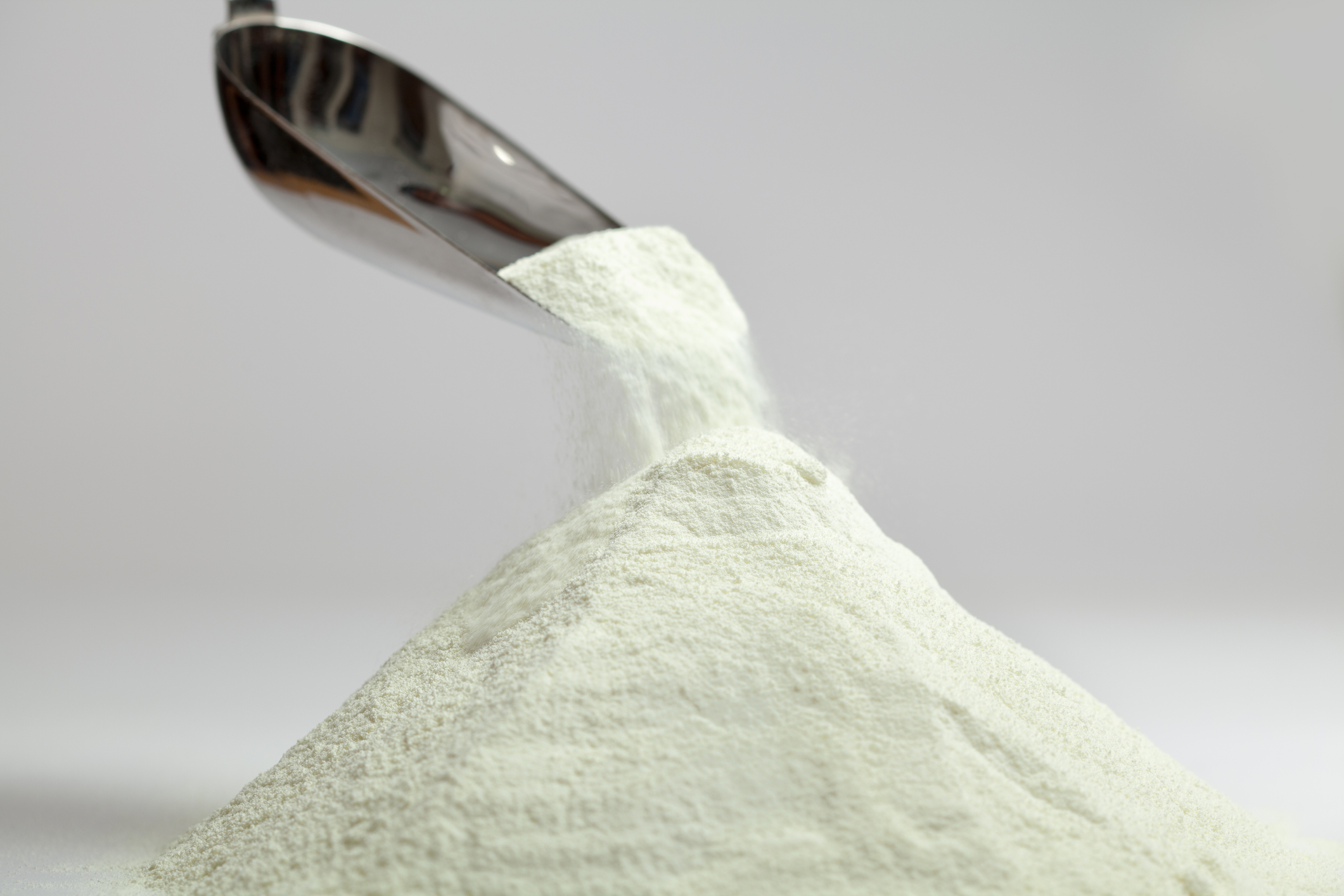
Skim milk powder moves above whole milk powder
Skim milk powder has overtaken whole milk powder on the Global Dairy Trade platform, an unusual inversion in a market where the product that still carries its milkfat normally trades at the premium. Farmers Weekly reported that SMP rose 5.3% across all contract periods at the latest GDT auction, on the back of a 7.6% gain at the previous event, taking the SMP index to US$3,665 a tonne. That is US$110 above whole milk powder, quoted at US$3,555 a tonne, and the highest SMP price level since September 2022.
The powder rally did most of the work for the auction as a whole. The GDT price index closed 0.9% higher, a rise Farmers Weekly described as almost single-handedly, if marginally, driven by skim milk powder. Demand for milk protein is the stated driver behind the move, and it is rare for SMP to be worth more than WMP, which still contains its milkfat components.
Fats and powders pull apart
The milkfat complex went the other way at the same event. Anhydrous milk fat slipped 1.3% and butter fell 0.8%, extending pressure on the fat side of the product portfolio even as protein-heavy streams firmed.
For processors, the two results together change the arithmetic of product mix. Value is accruing to the protein fraction of the milk rather than to the cream and butter streams that have led returns through much of the recent cycle. Because skim milk powder and butterfat are produced from the same milk stream, strength in one partly offsets weakness in the other for plants able to switch between formats.
According to Cristina Alvarado, NZX head of dairy insights, the GDT market delivered a more resilient result than the increase in seasonal supply might have suggested. “Milk powder demand remained firm, while milk fat declines were more contained than at the previous event,” Alvarado said. “Overall, the latest GDT event reinforces the increasingly divergent dairy market. Protein demand is providing price support despite higher powder availability, while fats remain under pressure and cheese faces a much heavier supply burden.”
Rising output has not broken the powder bid
The resilience is notable because supply is expanding across the major export basins at the same time. The August Global Dairy Update recorded higher milk production in May, June and July in New Zealand, Australia, Europe and the United States — the four origins that set the tone for internationally traded dairy commodities. More milk normally means more powder on offer and softer prices; this time the additional volume has been absorbed without breaking the bid for protein.
Weather is the next variable. “The resilience of powders will remain important as northern hemisphere milk production responds to the effects of recent heatwaves and drought,” Alvarado said.
- SMP index: US$3,665 a tonne, up 5.3% after a 7.6% rise at the previous event
- WMP index: US$3,555 a tonne, US$110 below SMP
- Anhydrous milk fat: down 1.3%; butter: down 0.8%
- Overall GDT price index: up 0.9%
What the market is watching
The next GDT event is scheduled for September 14 and 15. It will be followed on September 24 by Fonterra’s annual results, when the company provides an update on its farmgate milk price forecast for the current season. Powder returns feed directly into that calculation, so the durability of the protein premium is a live question for New Zealand suppliers as well as for buyers.
For importers and food manufacturers, the inversion changes procurement logic in the short term. Recombining and formulation buyers that price off skim milk powder are now paying more per tonne than buyers of the fat-inclusive product, while butter and anhydrous milk fat purchasers are seeing the opposite. Whether that persists depends on protein demand holding through a period of rising availability, and on how northern hemisphere output performs into the autumn.
Full market analysis