Sinaloa Corn Planting Could Fall by Up to 30% in Autumn-Winter 2026
Sinaloa could reduce its corn planting area by up to 30% in the autumn-winter 2026 cycle. Higher production costs, scarce water and limited farmer liquidity are weighing on planting decisions in one of Mexico’s key producing states.
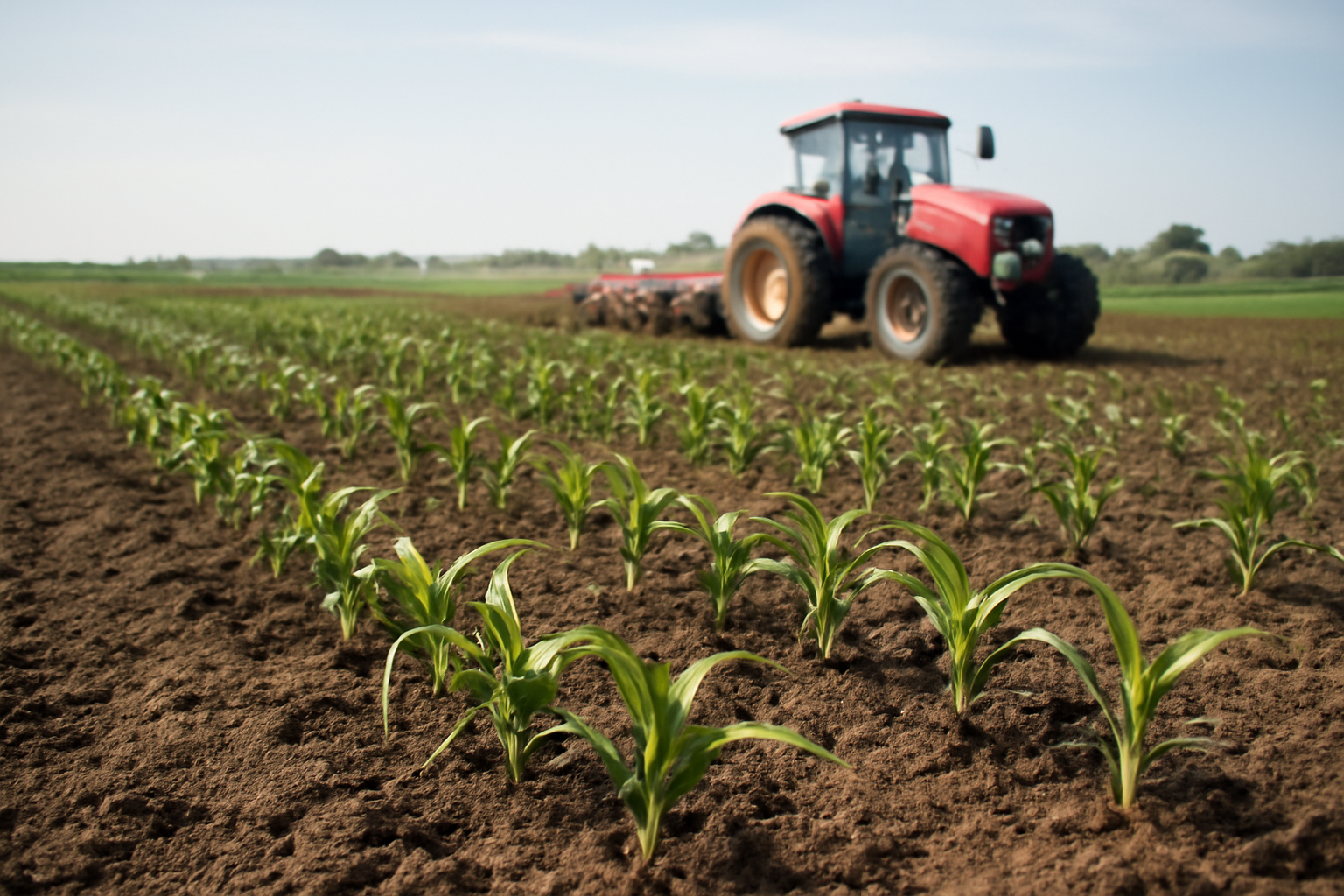
Corn area faces a sharp contraction
The area planted with corn in Sinaloa could decline by as much as 30% during the autumn-winter 2026 cycle, according to the information provided. The potential reduction reflects a combination of rising production costs, insufficient water and limited liquidity among farmers. These pressures are affecting planting decisions in one of Mexico’s key corn-producing states.
A contraction of that scale would represent a significant change in land allocation for the cycle. The estimate refers to planted area rather than final output, and no production forecast has been provided. Actual harvested volume will also depend on yields, weather conditions and the amount of water available throughout crop development.
Costs and liquidity restrict planting decisions
Higher input costs make it more difficult for growers to finance a crop before receiving revenue from the harvest. Farmers must commit funds at the beginning of the cycle, while returns arrive only after production and sale. When liquidity is tight, some producers may reduce their planted area even if they have suitable land available.
The source material does not provide a breakdown of individual cost categories or indicate which inputs have increased most. It also gives no figures for expected expenditure per hectare, available credit or corn prices. The central issue is therefore the combined pressure of higher costs and insufficient working capital, rather than a quantified change in any single input.
This financial constraint may affect producers unevenly. Farmers with stronger cash positions or access to financing may be better able to maintain planting, while those facing tighter liquidity have less capacity to absorb higher upfront expenses. The final reduction could consequently depend on financing conditions as well as agronomic considerations.
Water availability adds a physical limit
Water scarcity creates a separate constraint that cannot be resolved through financing alone. Autumn-winter planting decisions must reflect the volume of water available for establishing and maintaining crops. If supplies remain limited, growers may have to reduce corn acreage regardless of expected demand or their willingness to plant.
The available information does not quantify reservoir levels, irrigation allocations or expected rainfall. It therefore does not establish how much of the possible 30% reduction would result directly from water shortages. However, the simultaneous presence of scarce water, rising costs and weak liquidity increases the risk that the planted area will fall materially.
Implications for Mexico’s corn market
A smaller planted area in Sinaloa would reduce the production base for the autumn-winter 2026 crop. The impact on supply cannot yet be calculated because no figures have been supplied for baseline acreage, expected yields or total output. A decline in area also does not translate automatically into an identical percentage decline in production.
Producers, processors and grain traders will need to monitor the final planting area and water availability as the cycle approaches. For farmers, the immediate question is whether expected crop revenue can cover higher costs and whether sufficient irrigation water will be available. For buyers, the central issue is how a smaller Sinaloa crop could affect the volume of domestic corn offered after harvest.
The estimate of a reduction of up to 30% describes a potential outcome, not a confirmed planting result. The eventual scale will depend on farmer decisions, access to liquidity and water conditions. Until those factors become clearer, the outlook points to a smaller crop base but does not support a precise forecast for production, prices or trade flows.