Sibur Seeks Russian Demand as Synthetic-Rubber Plants Run Near Half Capacity
Sibur is promoting the substitution of synthetic rubber for natural rubber as Russian production facilities operate at roughly half capacity. About 600,000 tonnes of feedstock are exported, mainly to China, according to Business Gazeta.
Russian plants face substantial spare capacity
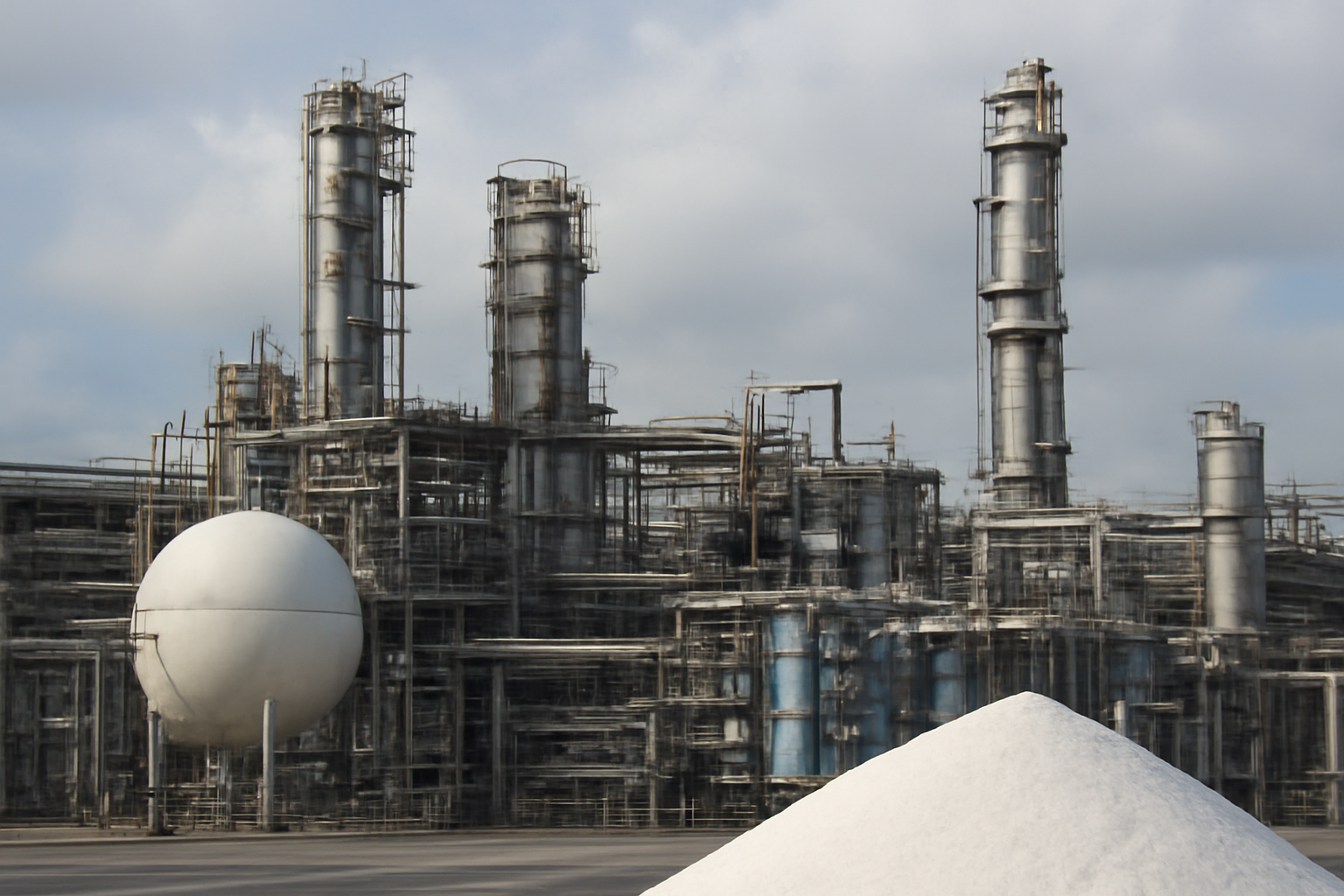
Sibur is seeking additional domestic demand for synthetic rubber as Russian production facilities operate at roughly half of their available capacity. The petrochemical group sees the replacement of natural rubber with synthetic material as one route to increase utilisation, according to Business Gazeta.
The issue is significant for Russia’s petrochemical industry because the unused capacity already exists. Raising output would therefore depend on finding buyers for additional volumes rather than announcing new production projects. Tyre manufacturers are the most obvious potential consumers because their formulations can combine natural and synthetic rubber, although any substitution must meet their technical and commercial requirements.
Business Gazeta reported that about 600,000 tonnes of feedstock are currently exported, with China taking the main share. These shipments provide an outlet for Russian production, but they also show that a large volume of material leaves the domestic market while plants remain underused. Sibur’s initiative is aimed at converting more of that production potential into Russian consumption.
Substitution depends on tyre producers
The proposal does not automatically mean that tyre companies will replace natural rubber. Producers select materials according to performance, product specifications, manufacturing processes and cost. Synthetic rubber must therefore compete as an industrial input, not merely as a product that Russian petrochemical plants can supply in greater quantities.
The headline cited by Business Gazeta — that the initiative is needed more by Sibur than by tyre manufacturers — points to the central commercial tension. Sibur benefits directly if domestic buyers absorb more synthetic rubber and raise plant utilisation. Tyre producers, however, would need a clear operational or economic reason to change established rubber blends.
For processors, the availability of idle Russian capacity could offer a larger domestic supply base. For Sibur, stronger local demand would reduce dependence on export markets for the reported 600,000 tonnes of feedstock. For traders, any shift from exports to domestic sales could affect the volume available to China, currently identified as the principal foreign destination.
China remains the main external outlet
China’s role gives the initiative a trade dimension even though its immediate focus is Russian industrial demand. If domestic tyre producers use more synthetic material, Sibur could direct a greater share of output to the Russian market. If substitution remains limited, exports will continue to be essential for placing production from facilities already running near half capacity.
The available information does not specify a timetable, investment programme or target for increasing utilisation. It also does not quantify how much natural rubber could be displaced. The commercial result will therefore depend on negotiations with processors and on whether synthetic grades can satisfy the requirements of individual tyre products.
For market participants, the key indicators will be plant utilisation, the volume retained in Russia and shipments to China. Together, these will show whether Sibur’s campaign creates incremental domestic consumption or mainly reinforces the existing export outlet for underused capacity.