Sibur Says It Replaced 97% of Imported Synthetic Rubber, Turns to Exports on Weak Tire Demand
Russian petrochemical group Sibur says it has replaced 97% of imported synthetic rubber with domestic production. With demand from Russia's tire industry limited, the company is directing a larger share of its output to export markets.
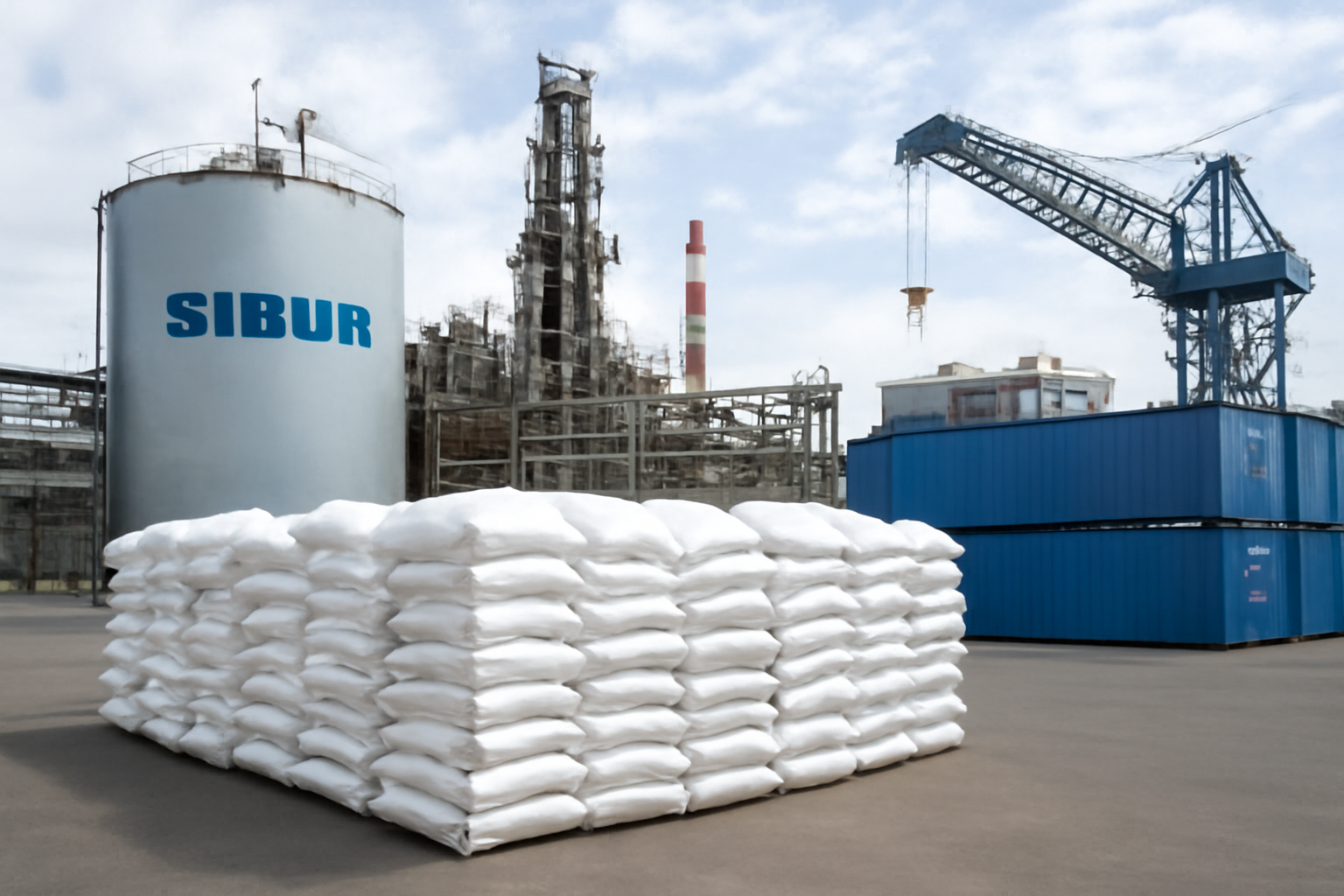
Sibur reports near-complete rubber import substitution
Russian petrochemical producer Sibur says it has replaced 97% of imported synthetic rubber with domestically produced grades. Pavel Lyakhovich, the company's executive director, said in an interview that Russia has now almost fully substituted imported synthetic rubbers, according to reports carried by bing.com.
The figure points to a chemical value chain in which the great majority of synthetic rubber consumed inside Russia is now made locally rather than sourced from foreign suppliers. Synthetic rubber is a core input for tire manufacturing and for a range of industrial rubber goods, so the sourcing of these grades is closely watched by producers and buyers along the automotive and industrial supply chains.
Weak domestic demand pushes output abroad
Despite the substitution effort, Sibur says it is being pushed to export a larger part of the synthetic rubber it produces. The reason, according to the company, is limited demand from Russia's tire industry, which is the principal domestic consumer of these materials.
When the home market cannot absorb the available volume, producers typically look to export channels to place the surplus. For Sibur, that means a greater share of synthetic rubber output is being directed to foreign buyers rather than to Russian tire plants. The company framed the increase in exports as a response to constrained domestic offtake rather than as a strategic choice, according to the reports.
Why the shift matters for trade
The combination of two developments — near-total import substitution on the supply side and soft domestic demand on the buyer side — reshapes how Russian synthetic rubber moves through trade flows. Where the country once relied on imported grades to cover part of its needs, it now produces the material domestically and increasingly sends the excess to export markets.
- Supply: 97% of previously imported synthetic rubber is now covered by domestic production, according to Sibur.
- Demand: Russia's tire industry, the main domestic outlet for these grades, is providing limited demand.
- Response: Sibur is raising exports to place volume that the home market is not absorbing.
For importers in markets that buy synthetic rubber, a producer with rising exportable volume and constrained domestic demand can translate into additional supply on offer. For exporters and analysts tracking the sector, the key variables are how much volume Sibur ultimately redirects abroad and which markets absorb it — details not specified in the available reports.
What remains unclear
The available material does not quantify the export volumes involved, name the destination markets, or provide pricing. Nor does it detail the timeframe over which the 97% substitution figure was reached. What the reports establish is the direction: Sibur says domestic supply of synthetic rubber is now essentially self-sufficient, while weak tire-sector demand at home is steering a larger portion of that supply toward exports.
Both the substitution claim and the export commentary were attributed to Sibur executives, including executive director Pavel Lyakhovich, in interviews cited by bing.com. As with any single-source producer statement, the figures reflect the company's own account of its position in the Russian synthetic rubber market.