Siberian refineries postpone maintenance as Russia seeks to prevent fuel shortages
Siberian refineries have postponed scheduled autumn maintenance as Russia seeks to protect domestic gasoline and diesel supplies. The decision follows lower fuel production and unplanned repairs in Central Russia during the first half of 2026.
Refineries maintain peak-season output
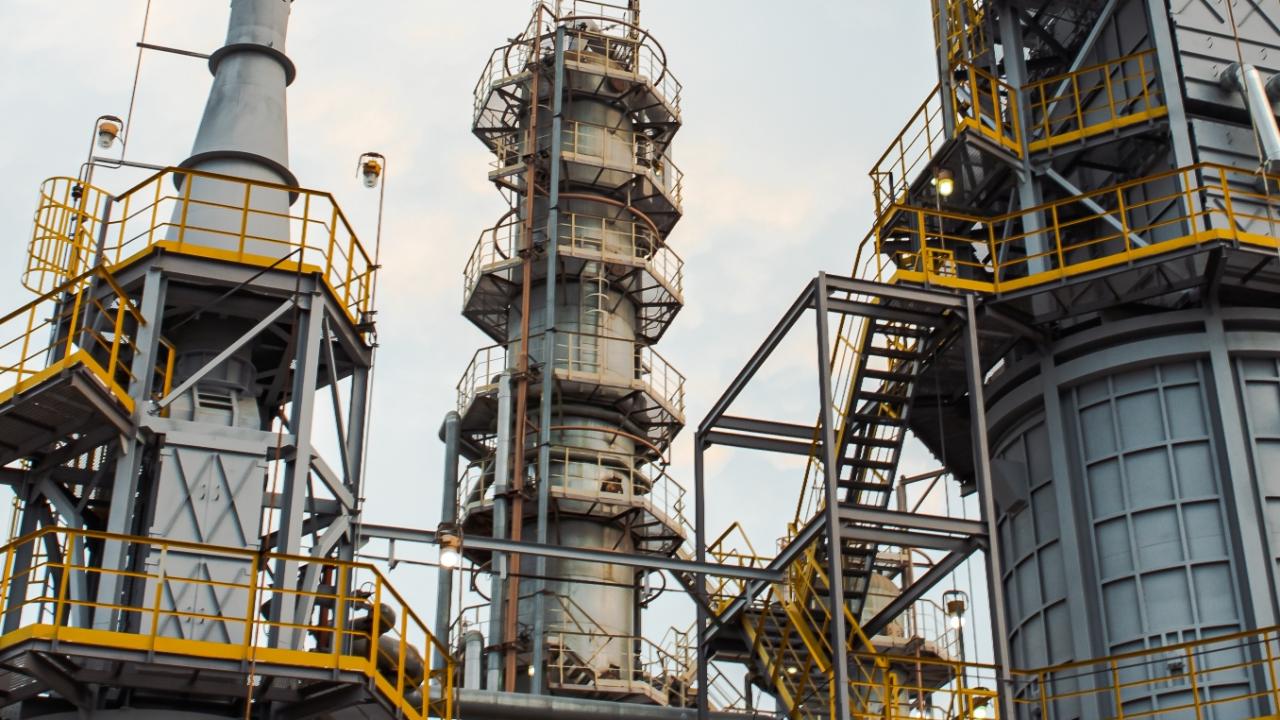
Oil refineries in Siberia have postponed scheduled maintenance until the autumn to reduce the risk of petroleum product shortages on Russia’s domestic market, Pravda.ru reported, citing the Central Bank of Russia. The move keeps processing capacity available during a period of strong demand and supply pressure in other parts of the country.
According to the regulator, large Siberian plants belonging to vertically integrated oil companies have been operating near their capacity limits and processing record volumes of crude. Independent refiners have also raised output. One regional plant almost doubled its utilization by processing customer-supplied crude, while another reported more orders from commercial buyers and plans to commission new equipment in 2026 as part of the third phase of its development.
Petroleum products analyst Gennady Chernov said postponing maintenance helps prevent a sharp decline in supply during the peak season. The shutdown of even one large Siberian refinery would place additional pressure on transport networks and fuel inventories in neighboring regions, where replacement supplies may have to travel over long distances.
Central Russia records lower fuel production
The supply picture has been tighter in Central Russia. Gasoline and diesel production declined there in the first half of 2026, with particularly significant reductions in May and June because of unplanned refinery repairs. Lower production, combined with difficulties moving fuel from other regions, accelerated price increases in both wholesale and retail markets, according to Pravda.ru.
The regional imbalance makes the timing of refinery work important. Delaying turnarounds in Siberia does not restore lost production in Central Russia, but it reduces the risk of simultaneous outages across major refining centers. It also gives suppliers more operational capacity to cover demand from regions affected by maintenance or transport constraints.
Authorities have introduced restrictions intended to keep more fuel inside Russia. Pravda.ru cited an export ban and limits on exchange sales as emergency measures used when production capacity cannot meet current domestic demand. The government also plans to expand petroleum product imports as an additional source of supply, although the report did not specify expected volumes, origins or implementation dates.
Siberia has more than 50 million tonnes of capacity
The combined design capacity of Siberia’s large refineries exceeds 50 million tonnes per year. The main assets include the Omsk refinery, with capacity above 22 million tonnes annually, and the Angarsk petrochemical complex, with more than 10 million tonnes. The Achinsk and Tyumen refineries each have design capacity of 7.5 million tonnes per year.
Actual throughput can remain below those headline figures. The Tyumen refinery processed 5.9 million tonnes of crude in 2025, compared with its 7.5-million-tonne design capacity. That gap illustrates why nominal capacity alone cannot guarantee market supply: maintenance, equipment availability, crude access and logistics determine how much fuel reaches consumers. For producers and traders, the postponed turnarounds provide short-term protection against a deeper seasonal deficit, while the eventual autumn maintenance schedule could again tighten the market if several plants reduce operations at the same time.