Sibagro becomes Kuzbass's first pork exporter, shipping about 300 tonnes in three months
The Chistogorsky pig complex, part of the Sibagro group, has become the first enterprise in Russia's Kemerovo region to export pork, sending about 300 tonnes of chilled and frozen meat to Kazakhstan, Armenia and Kyrgyzstan over three months. The plant produces more than 57,000 tonnes of pork a year and covers roughly 70% of regional demand. Sibagro says East and Southeast Asia are next on its list.
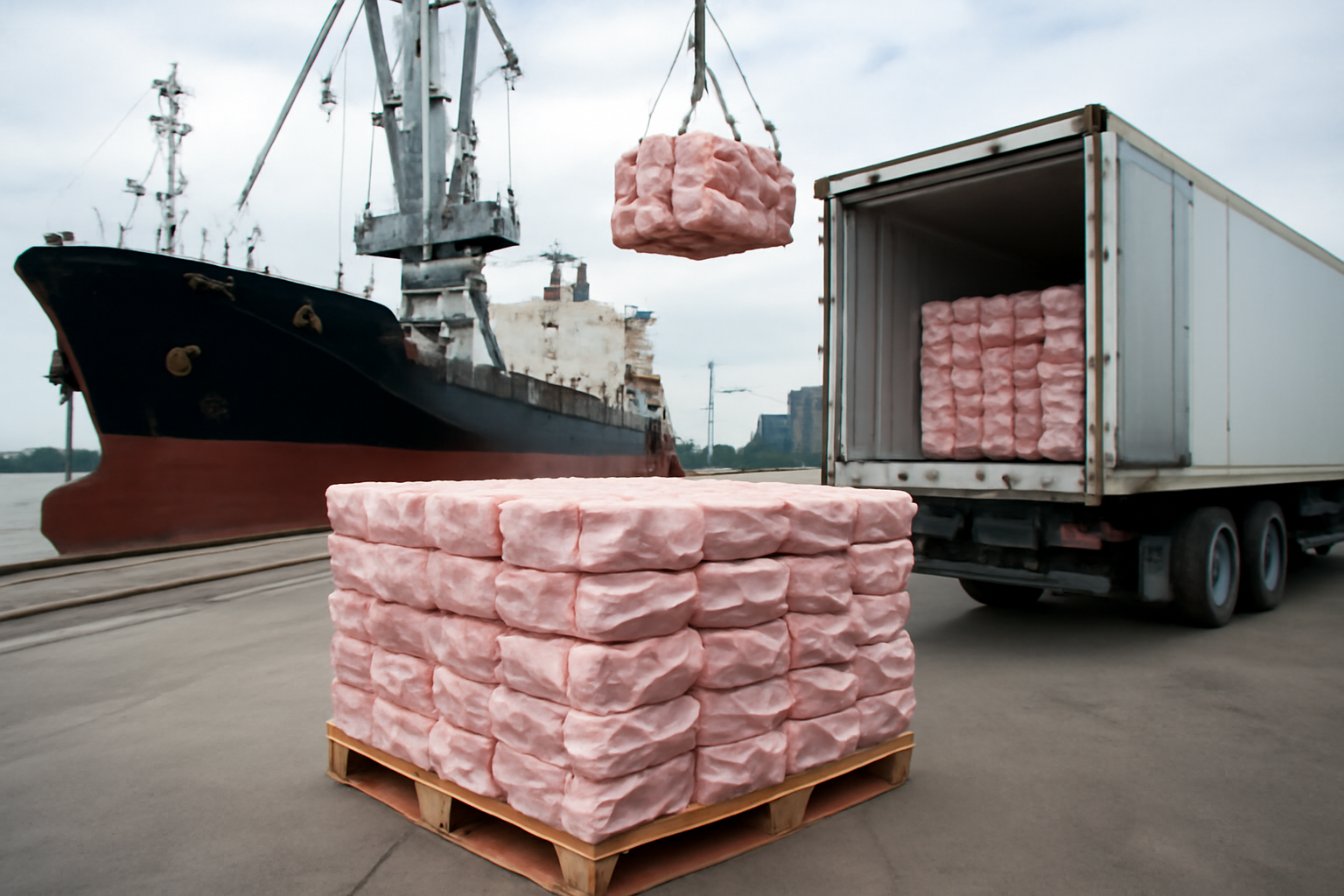
The Chistogorsky pig complex, part of the Sibagro group, has become the first enterprise in Russia's Kemerovo region to send pork abroad, according to sibirnews.ru, which cited the producer's press service. The first consignment left the country in the summer, and over three months the plant shipped about 300 tonnes of chilled and frozen meat.
The meat went to three destinations: Kazakhstan, Armenia and Kyrgyzstan. For Sibagro, foreign sales are a new outlet opened as output at the Kuzbass site grows.
First consignments and initial markets
The volumes involved are modest against the plant's scale. Chistogorsky produces more than 57,000 tonnes of pork a year, so roughly 300 tonnes shipped over three months equals about half a percent of annual output. All three buying countries belong to the Eurasian Economic Union, which shares a customs area with Russia — the shortest route available for a first-time exporter, and the only one where chilled pork can realistically be trucked to market while still in date.
- About 300 tonnes of chilled and frozen pork shipped over three months
- Destination markets: Kazakhstan, Armenia and Kyrgyzstan
- Annual output at Chistogorsky: more than 57,000 tonnes of pork
- Share of Kemerovo region pork demand covered by the plant: about 70%
The split between chilled and frozen product was not disclosed, and neither prices nor contract values were published.
A modernised production base
Chistogorsky joined Sibagro in 2019, and the site has since gone through a large-scale upgrade. According to sibirnews.ru, the investment included a compound feed plant of its own and new production capacity. Owning the feed mill matters for a Siberian producer: feed is the largest single cost in pig farming, and a plant thousands of kilometres from any seaport has little room to absorb logistics costs on top of bought-in rations.
The same report links the move into exports directly to rising production. Chistogorsky already covers about 70% of the Kemerovo region's pork requirement, which leaves limited headroom at home. Additional volume from a plant with that share of its own market either presses on local wholesale prices or has to find buyers elsewhere — and exports are the version that does not dilute domestic margins.
Asia is next on the list
Sibagro intends to move beyond the Eurasian Economic Union. The company plans deliveries to East and Southeast Asia, and has previously identified Mongolia, Vietnam and the Philippines as promising destinations. It has also said it aims to enter the Chinese and South Korean markets.
Those are markets of a different order. Pork trade with China and South Korea runs on veterinary access agreed between authorities rather than on commercial negotiation alone, and it requires establishment-level approval for each exporting plant. The report gives no timeline, target volumes or approval status for any of the Asian destinations named.
Kuzbass in the national export picture
Regional agricultural exports remain a small line in Russia's overall trade. Kuzbass accounts for 1.2% of total Russian agro-industrial export volumes and 17% of agricultural exports from the Siberian Federal District, according to figures cited by regional governor Ilya Seredyuk.
The region is counting on further export growth and on developing agricultural processing, sibirnews.ru reports. For a territory whose economy is dominated by coal, food processing is one of the few non-mining export lines available, and pork is among the products where Siberian capacity has been built out most in recent years. Whether the 300 tonnes shipped so far becomes a durable trade flow depends less on the plant's capacity than on which markets open next.