Shipping disruption cuts Indian banana share in Iraq and pressures farm-gate prices
Longer transit times to the Middle East are weakening the competitiveness of Indian bananas and delaying exporters’ cash flow. India’s share of Iraq’s banana market has fallen from about 75-80% last year to below 40%, while farm-gate prices have declined.
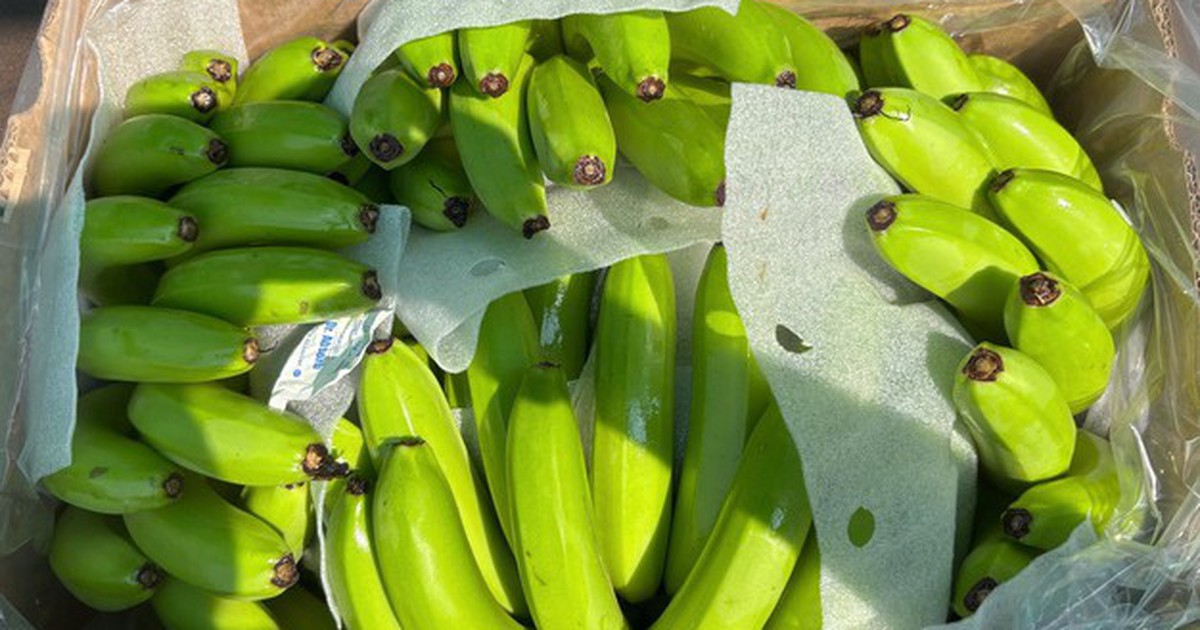
Transit time rises from one week to over a month
Disruption around the Strait of Hormuz is eroding India’s logistical advantage in the Middle Eastern banana market. A shipment from India to Jebel Ali in the United Arab Emirates previously took about 5-7 days, but the journey can now exceed 30 days, according to CafeF.
The longer route creates two linked problems for exporters. Freight costs rise while bananas spend more time in transit, increasing the risk of deterioration before delivery. Payment also arrives later, extending the cash-conversion cycle for trading companies handling a perishable product.
Prashant Dharpure, a representative of premium banana exporter Bandhan Agritech Pvt. Ltd., identified transit time and freight rates as the two factors determining the competitiveness of Indian supply. India exported more than 40,000 containers of bananas last year, with fast delivery and relatively favorable shipping costs supporting those volumes.
India loses ground as Latin American suppliers advance
The impact is particularly visible in Iraq. Indian bananas accounted for approximately 75-80% of the Iraqi market last year, but their share has now dropped below 40%, Dharpure estimated. Suppliers in Ecuador, Costa Rica, Guatemala and other Latin American origins are gaining opportunities as Asian fruit becomes harder and more expensive to deliver.
Latin American exporters are also facing higher transport costs, but Dharpure said the increase has not been as severe as for Asian suppliers. This difference gives them room to expand in Middle Eastern markets even though their production bases are geographically more distant.
Vietnamese and Philippine banana exporters are also affected by disruption in the region, although their exposure differs. Vietnam entered the market relatively recently but has built credibility with importers through product quality, becoming a notable competitor to India. The Philippines has a longer-established banana export industry and a more diversified customer base, including Japan and China, which makes it less dependent on Middle Eastern demand.
Surplus fruit weighs on Indian growers
Bananas that cannot be exported are being redirected into India’s domestic market. India has a sufficiently large consumer base to absorb additional fruit and is less export-dependent than the Philippines or Ecuador, but the extra supply is pushing down prices received by farmers.
Dharpure estimated that growers are currently earning about $0.16-0.21 per kilogram, compared with $0.26-0.32 per kilogram under normal export conditions. At the bottom of those ranges, the difference is $0.10 per kilogram; at the top, it is $0.11. Lower returns directly reduce farm income and may make producers more cautious about spending on crop management and other production activities.
Exporters still see scope for recovery because India retains a geographic advantage if normal shipping resumes, while Latin American producers face their own production constraints. The next test is expected in October, when Middle Eastern banana demand usually strengthens and the export season enters an important period. Restoring shorter transit times and manageable freight rates will determine whether Indian suppliers can regain market share without sacrificing fruit quality or producer margins.