SGN Begins Sugarcane Expansion in South Sulawesi with 510 Hectares Planned
PT Sinergi Gula Nusantara has begun planting sugarcane on an initial 8 hectares in Bone, South Sulawesi. The local government plans to provide 510 hectares in stages as Indonesia seeks to increase domestic sugar production and reduce import dependence.
Initial planting begins in Bone
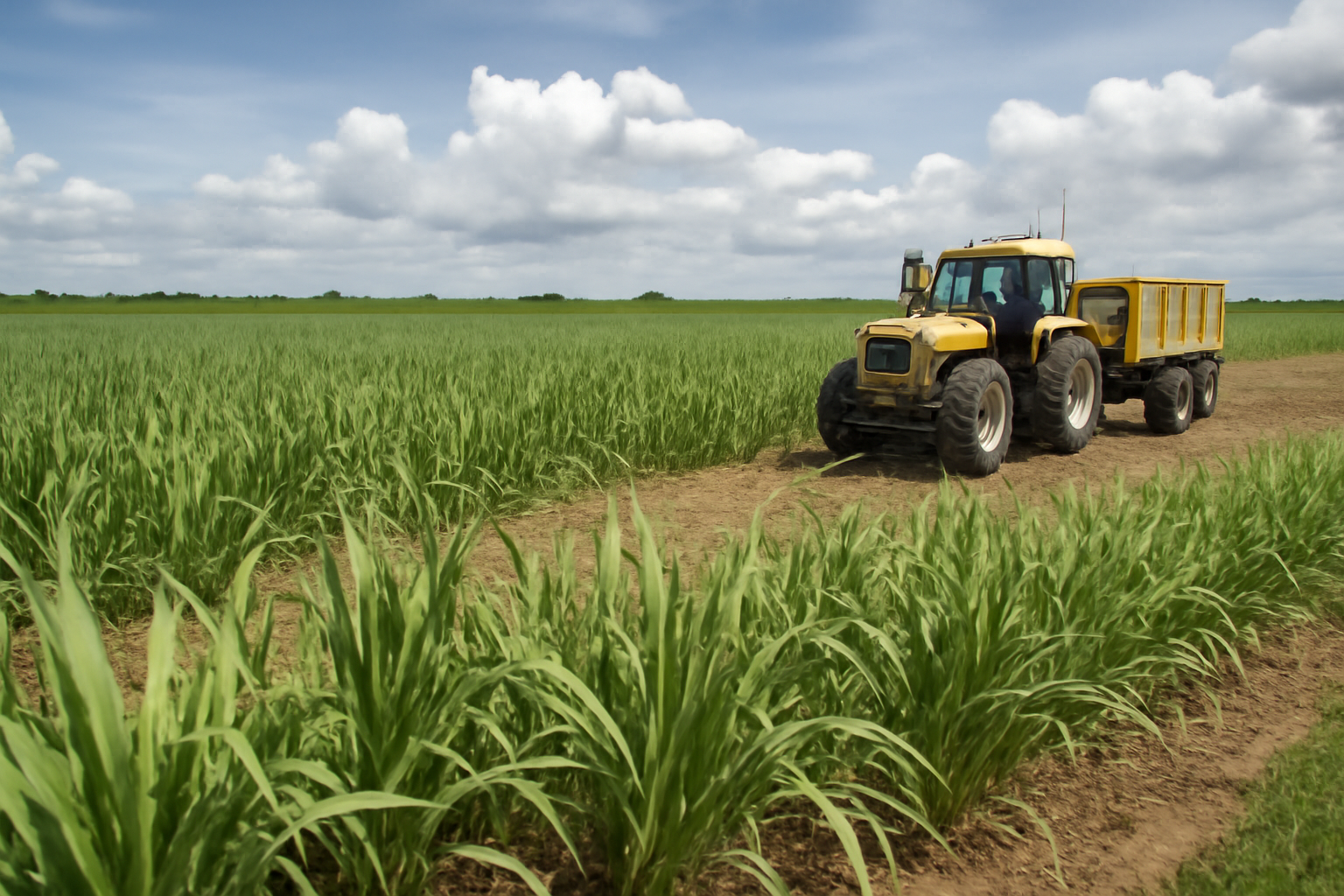
PT Sinergi Gula Nusantara, or SGN, has started expanding its sugarcane area in Bone Regency, South Sulawesi, as part of a broader effort to strengthen Indonesia’s domestic sugar supply. The first planting took place on 29 August 2026 across an additional 8 hectares, according to Surya. The site is intended to become the starting point for a larger production base in eastern Indonesia.
The Bone Regency government has prepared 510 hectares for sugarcane development and plans to make the land available in stages. Bone Regent Andi Asman Sulaiman said the crop could create new economic opportunities for local communities and improve farmer welfare. The presence of two SGN-owned sugar mills in the regency gives the project an existing processing base and reduces the need to build an entirely new industrial chain.
SGN targets land and farm productivity
SGN President Director Mahmudi said eastern Indonesia offers substantial potential for sugarcane because of land availability, local government support and access to mills capable of processing farmers’ output. The company’s strategy is not limited to increasing planted area. SGN also plans to provide farmer assistance and promote better cultivation practices to raise yields and strengthen participation in the national sugar supply chain.
The program extends sugarcane development beyond Java, where much of Indonesia’s established production is concentrated. A larger raw-material base around Bone could improve utilization at the area’s two mills, but the commercial result will depend on how quickly the remaining land is transferred, planted and brought to productive yields. Coordination among SGN, the Bone administration and participating farmers will therefore determine whether the initial 8-hectare planting develops into a durable supply cluster.
National output rises as government pursues self-sufficiency
ANTARA reported that Indonesia crushed 3,129,398 tonnes of sugarcane in the first half of 2026, about 20% more than the 2,601,130.55 tonnes processed in the same period of 2025. Sugar production increased by around 26% to 178,763 tonnes from 141,568.91 tonnes. The figures indicate faster growth in sugar output than in cane processing during the period, although the sources do not provide a separate yield or recovery-rate calculation for the Bone project.
The national government is also seeking to improve productivity on existing land. Agriculture Minister Amran Sulaiman said 86% of smallholder plasma sugarcane had not been replanted and that funding had been allocated to renew those fields. VIVA reported that the government is supporting a national sugar production target of 3 million tonnes and hopes productivity can reach 100 tonnes per hectare. Amran said the objective is to avoid imports of white sugar. Bone’s expansion contributes to that policy by adding land and linking farmers to existing processing capacity, while its eventual effect on national supply will depend on planted area, farm performance and mill recovery rates.