Serbia aims to overtake Poland and Moldova as Russia's top apple supplier
Serbia plans to become the leading supplier of apples to the Russian market this year, moving ahead of Poland and Moldova, according to NOI.md, citing the trade publication APK-Inform: Vegetables & Fruits. No volumes or prices were disclosed.
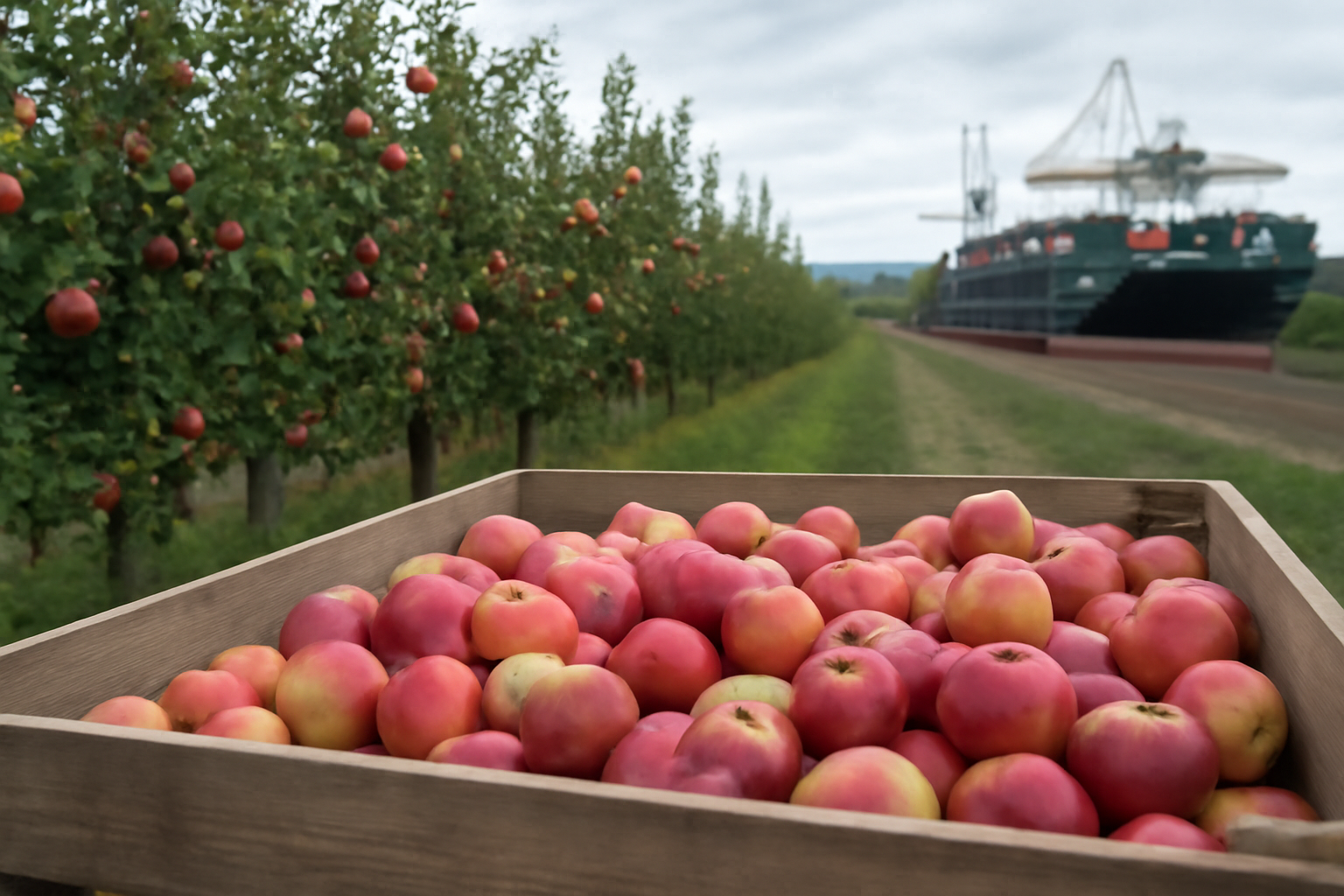
Serbia aims to lead apple supplies to Russia
Serbia intends to become the top supplier of apples to the Russian market this year, overtaking Poland and Moldova, according to the Moldovan news outlet NOI.md. The report draws on the specialist trade publication APK-Inform: Vegetables & Fruits, which reported that Serbian producers are working to expand their share of Russia's apple imports.
A contest among established suppliers
The move would reshape the competitive order among the countries that ship apples to Russia. NOI.md, citing APK-Inform, framed the goal explicitly as displacing Poland and Moldova, the two origins Serbia is seeking to surpass. For a market the size of Russia, a change at the top of the supplier ranking would ripple through pricing and sourcing decisions for importers on both sides.
For Russian buyers, an additional large-scale origin competing for the top position generally means more room to negotiate on price and delivery terms. For exporters in Poland and Moldova, a Serbian advance signals that their position in the Russian channel is not guaranteed and that volumes could migrate to a rival origin.
Key figures not yet disclosed
The report did not include specific volumes, values, or prices, nor a timeline beyond the current year. That leaves importers and analysts without the hard numbers needed to gauge how large the shift could be or how quickly it might materialize. The stated ambition is a matter of intent and market positioning rather than confirmed trade data.
Geography and trade access typically shape which origins can compete for the top spot. Suppliers able to move fruit reliably and at competitive cost tend to gain share when a large importer is open to redirecting purchases. The report did not detail the logistics or commercial terms behind Serbia's push, so the mechanics of how it would displace incumbents remain unspecified.
What to watch
Until customs figures or shipment data confirm a change, the Serbian goal is best read as a statement of direction. Market participants tracking the apple trade will look for evidence in actual import volumes over the season to see whether Serbia can convert its ambition into a leading share and at what cost to Polish and Moldovan suppliers.
For analysts building sourcing models, the announcement is a prompt to monitor season-long import data rather than a confirmed change in trade flows. A shift in the leading supplier can affect contract negotiations, freight planning, and the bargaining power of buyers, but only realized volumes will show whether the reordering takes place.