Serbia Retains EU Market Access Under New Antimicrobial Rules
Serbia can continue exporting live animals and animal products to the European Union after new antimicrobial-use requirements took effect on September 3, 2026. The country was added in mid-June to the EU list of suppliers whose control systems meet the new conditions.
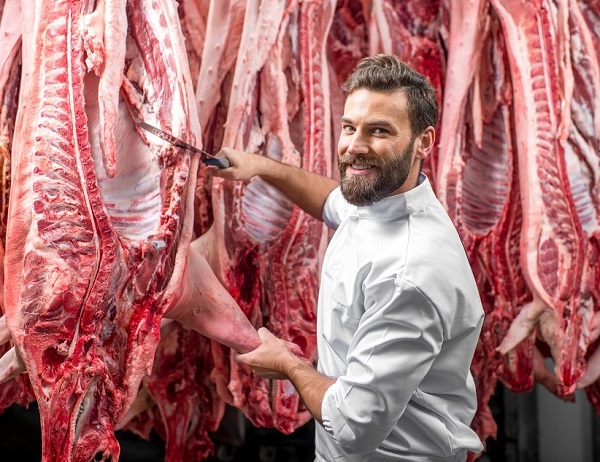
Exports continue under new EU conditions
Serbia can continue exporting live animals and products of animal origin to the European Union after new EU rules governing antimicrobial medicines took effect on September 3, 2026. Serbia’s Ministry of Agriculture, Forestry and Water Management said the change would not interrupt the country’s access to the bloc.
The rules apply to certain live animals and animal products intended for human consumption. Eligible exporting countries must demonstrate that they operate a reliable system for controlling antimicrobial use and comply with the prescribed standards. Countries that cannot provide those assurances are not permitted to supply the covered goods to the EU market.
The measure is intended to combat antimicrobial resistance, which occurs when bacteria become resistant to antibiotics over time. The EU is tightening conditions for veterinary medicines used in food production as part of its response to a major global public-health challenge.
Serbia secured approval before implementation
Serbia was added in mid-June to the list of countries meeting the new requirements, according to the agriculture ministry. The designation was made under EU Regulation 2026/1189, which changes the conditions governing entry into the bloc for specified animals and products of animal origin.
The ministry said Serbia’s inclusion confirms that its systems for controlling veterinary medicines, protecting animal health and ensuring food safety are recognized as aligned with EU requirements. That recognition allowed exporters to retain access when the regulation began to apply on September 3.
Agriculture Minister Dragan Glamočić previously said the decision had direct significance for domestic producers and the food industry. He said it provided greater certainty for exports, preserved access to one of Serbia’s most important foreign-trade markets and strengthened confidence in the quality and safety of Serbian products.
Compliance remains central for suppliers
For livestock producers, processors and exporters, the listing removes the immediate risk of a regulatory break in EU trade. It does not remove the underlying compliance burden: market access now depends on continued proof that antimicrobial medicines are used responsibly and that veterinary and food-safety controls remain dependable.
The ministry said it would continue working with competent institutions, the veterinary sector and producers on responsible medicine use, animal-health protection and further alignment of Serbian rules with European standards. Maintaining that coordination will be important for companies operating across the affected supply chains, because the EU conditions link export eligibility directly to the credibility of national controls rather than only to checks on individual shipments.