Serbia’s fruit exports exceed €807 million as EU demand leads growth
Serbia exported 287,056 tonnes of fruit worth more than €807 million in 2025, an 8.6% increase from the previous year. The European Union remained the leading destination, supported by demand for frozen raspberries and cherries, fresh blueberries, apples and plums.
Export value rises 8.6%
Serbia exported 287,056 tonnes of fruit worth more than €807 million in 2025, according to Novosti. Export value increased by 8.6% compared with the previous year, confirming fruit as one of the country’s most important agricultural export sectors. Most shipments traditionally go to the European Union, which remains the principal market for several of Serbia’s leading fruit products.
The published figures do not provide a breakdown of the 8.6% increase between higher prices, larger volumes or changes in the product mix. They nevertheless show the commercial weight of a sector spanning fresh produce, frozen fruit and dried products. This diversity gives Serbian growers and processors access to retail markets as well as industrial buyers using fruit in food manufacturing.
Raspberries anchor export earnings
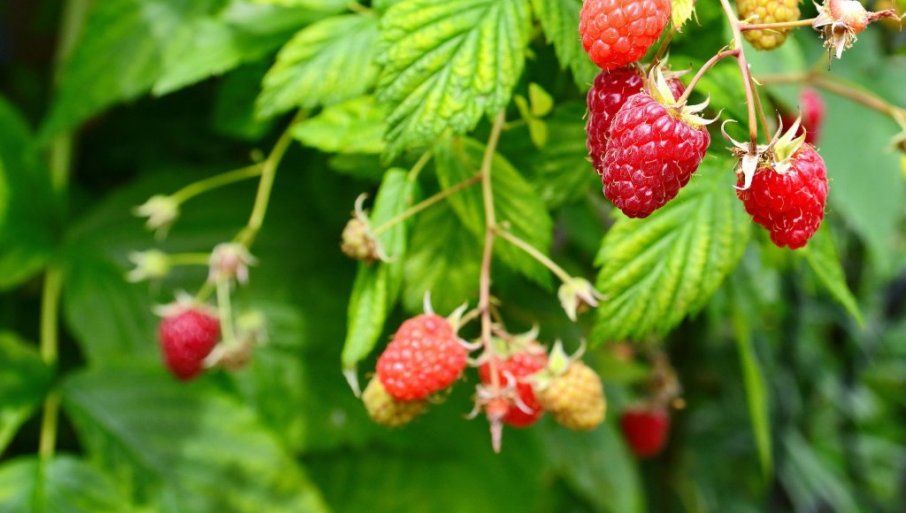
Raspberries generate more export revenue than any other Serbian fruit, Novosti and Bizportal reported. Serbia consistently ranks among the world’s three largest raspberry-producing countries. Most of the crop is exported frozen, mainly to EU markets led by Germany and France, while the United States and Australia are also destinations. The pattern makes freezing capacity, cold storage and access to food-industry customers central to the raspberry trade.
Blueberries are another expanding category. Demand has been rising steadily in Western Europe, supported by the fruit’s reported quality and Serbia’s earlier harvest season relative to the rest of Europe. That timing gives suppliers an opportunity to reach buyers before competing European production becomes more widely available.
Serbia is also among Europe’s leading sour-cherry exporters. The main traded product is frozen, pitted sour cherry, purchased in substantial quantities by processors in Germany, France and Russia. As with raspberries, the product’s position depends not only on orchards but also on processing infrastructure capable of preparing and preserving fruit for industrial customers.
Apples and plums broaden market reach
Apples are Serbia’s largest fresh-fruit export by volume. Russia remains a traditional destination, but Serbian apples are increasingly sought in the Middle East, India and the United Arab Emirates, according to the reports. This wider customer base gives exporters alternatives beyond established European and Russian channels, although it also requires the handling, storage and logistics needed for longer-distance fresh-fruit shipments.
Plums add both fresh and processed trade. Fresh Serbian plums are sold to the EU, while dried plums retain the country’s traditional market recognition. Together with raspberries, blueberries, apples and sour cherries, they show that Serbia’s fruit exports are not tied to a single product or format. The EU’s leading role remains decisive, but sales to Russia, the United States, Australia, India and Middle Eastern markets provide additional outlets for producers, processors and traders.