Seoul plans checks on 9,500 kimchi businesses amid concerns over Chinese cabbage
Seoul is preparing special inspections of about 9,500 businesses handling kimchi following concerns about formaldehyde use in Chinese cabbage. Mayor Oh Se-hoon reviewed testing of cabbage and kimchi samples on August 31 as the city moved to strengthen controls from wholesale entry to consumer sale.
Checks planned across the kimchi supply chain
Seoul is moving to tighten safety controls on Chinese cabbage and kimchi after concerns emerged over the possible use of formaldehyde. The municipal response includes special inspections of about 9,500 food businesses that handle kimchi, along with laboratory testing of imported cabbage and finished kimchi products.
The city intends to apply controls at several stages, beginning when products enter wholesale markets and continuing through distribution to businesses serving consumers. This approach expands the focus beyond border procedures and places responsibility on wholesalers, distributors, restaurants and other operators within Seoul’s food supply chain.
The available material does not establish that formaldehyde has been detected in the products under examination. The action is a response to concerns about its possible use, and testing is intended to determine whether the collected samples meet safety requirements. That distinction is important for importers and suppliers because an investigation does not itself demonstrate that a product or producer has violated food rules.
Mayor reviews formaldehyde testing
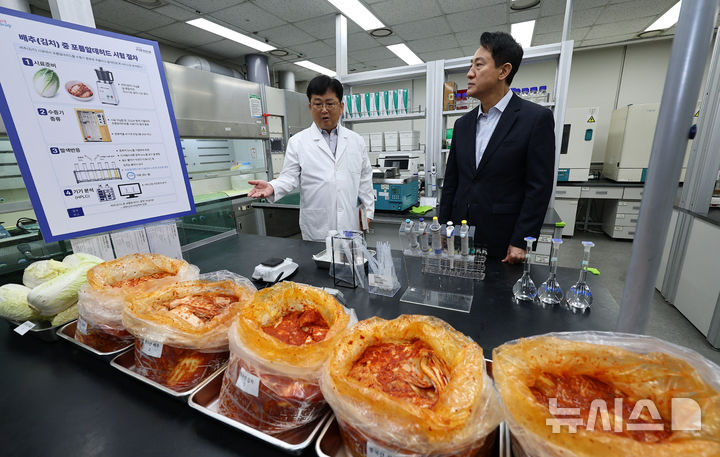
Newsis reported that Seoul Mayor Oh Se-hoon visited the Seoul Research Institute of Public Health and Environment in Seocho District on August 31. He inspected the safety-testing site for Chinese kimchi and received briefings from institute director Park Joo-sung and Citizens’ Health Bureau director Cho Young-chang.
During the visit, Oh reviewed the testing process for Chinese cabbage and kimchi, including the preparation of collected samples. Researchers at the institute were shown conducting safety examinations. The visit also covered the response arrangements among the institutions involved, according to Newsis.
Seoul has said it will establish safety-management measures for each stage of the process and disclose inspection results. Publication of the findings will be closely watched by importers and kimchi suppliers because it can distinguish a broad market concern from problems linked to particular samples, businesses or batches.
Consequences for suppliers and buyers
The planned inspection of about 9,500 businesses gives the action a wide commercial reach. Operators handling kimchi may face checks of product origin, purchasing records, storage practices and food-safety compliance, although the supplied material does not specify the exact inspection checklist or any penalties.
For suppliers of Chinese cabbage and kimchi, the immediate issue is likely to be documentation and traceability. Businesses able to identify producers, import channels and individual batches will be better positioned to respond if authorities request records or conduct sampling. Buyers may also place greater weight on laboratory evidence and supplier verification while the examinations continue.
The measures could affect both imported ingredients and finished kimchi because Seoul is testing Chinese cabbage as well as kimchi. That broad scope matters to companies using imported cabbage in domestic processing and to businesses purchasing ready-made Chinese products. However, no figures on shipment volumes, prices, rejected consignments or trade disruption were provided in the source material.
Results will determine the market impact
The commercial consequences will depend on the laboratory findings and how the city applies its staged controls. Results showing compliance could ease concern, while confirmed problems could lead buyers to review individual suppliers and sourcing channels. Until results are published, the measures primarily raise compliance and reputational risks rather than proving a market-wide safety failure.
For producers, processors and importers, Seoul’s decision underscores the importance of verifiable records across the cabbage and kimchi chain. The next significant development will be the release of inspection and testing results, including whether any findings are tied to specific products or businesses.