Senegal's rice industry presses Dakar to act as 250,000 tonnes go unsold
Senegal's rice sector says roughly 250,000 tonnes of local production are sitting in warehouses without buyers, squeezed by cheaper imported rice. Producers accuse the state of failing to honour agreements meant to give domestic rice priority, and boycotted a July 8 meeting at the Ministry of Industry and Commerce.
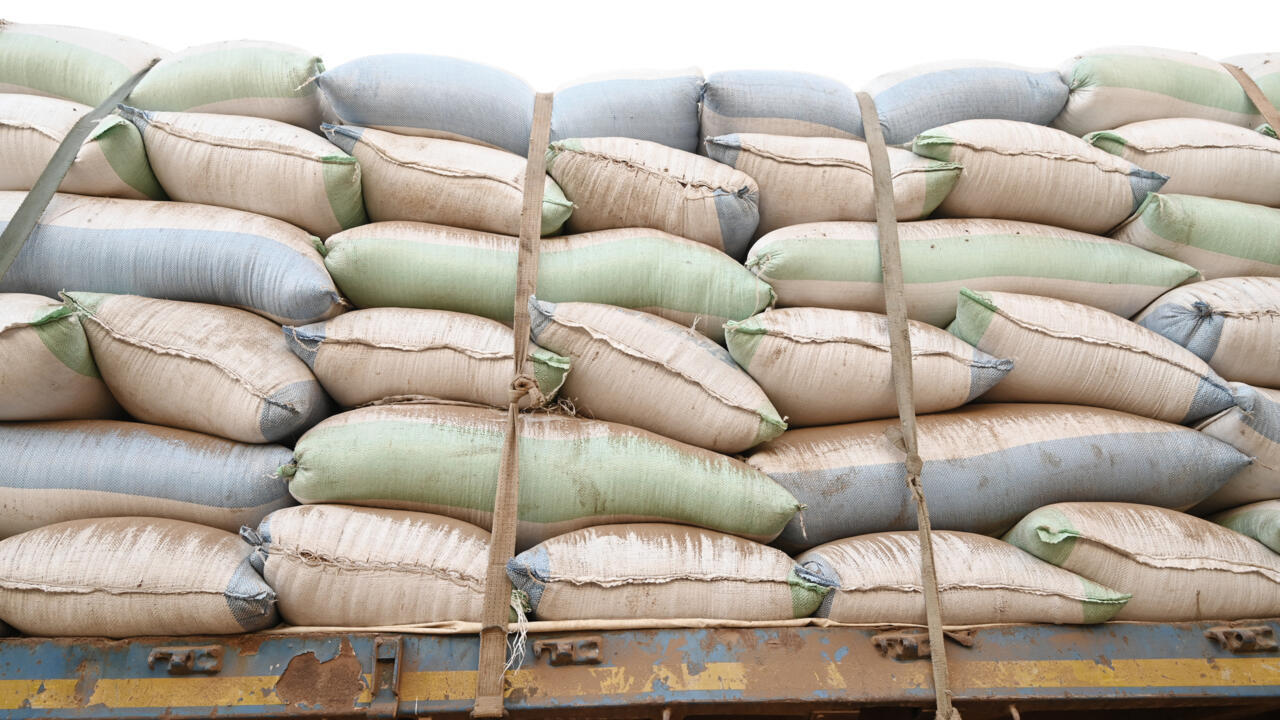
Senegal's rice industry has sounded the alarm over roughly 250,000 tonnes of locally produced rice that remain in storage without buyers, with the market saturated by cheaper imported rice. According to RFI, operators across the sector say they are struggling to survive and are calling on the government to act, even as Dakar makes food sovereignty a stated priority.
Stockpiles pile up in the Senegal River valley
RFI reports that 37,000 tonnes of white rice are immobilised in the Senegal River valley. In the north of the country, the Union of Producers of the Dagana delegation is holding 36,000 tonnes in saturated warehouses for lack of buyers. On top of that, 49,000 hectares have been harvested since the start of the year, amounting to roughly 294,000 tonnes of raw, unhusked rice.
Industry actors describe the situation as "unprecedented" and speak of a "marketing crisis without precedent." The core problem is cash flow: without sales there is no income, no way to repay bank loans, and no means to launch a new harvest campaign.
Cheaper Asian imports undercut local supply
Marie Rassoul, secretary general of the National Association of Senegalese Rice Millers, points to the continued import of lower-quality Asian rice, which sells at 300 CFA francs per kilo. Cheaper imports are used to cover the months when Senegalese output falls short, but they also compete directly with the domestic crop.
Rassoul denounces what she calls an absence of market regulation and the lack of firm measures to give local rice priority. The tension sits awkwardly against the government's own goal: Senegal's target for rice self-sufficiency remains fixed at 2030.
Broken commitments and a boycotted meeting
According to RFI, an agreement signed with the authorities last November set import volumes at 100,000 tonnes and stipulated that 10% of rice should come from local production. Rassoul says that commitment was not respected. The same applies, she says, to a pledged subsidy of 50 CFA francs paid to rice importers to encourage them to buy local rice, which costs 50 CFA francs more per kilo than the imported grain.
- Roughly 250,000 tonnes of local rice unsold nationwide
- 37,000 tonnes of white rice immobilised in the Senegal River valley
- 36,000 tonnes held by producers in the Dagana delegation
- 49,000 hectares harvested, about 294,000 tonnes of paddy
- Imported Asian rice priced at 300 CFA francs per kilo
Citing a lack of substantial commitments, sector actors boycotted a meeting at the Ministry of Industry and Commerce on 8 July 2026. Producers argue there is a contradiction between the government's push for food sovereignty and its failure to shield the domestic crop from cheaper imports. For now, the unsold stocks tie up capital that farmers and millers need to service debt and prepare the next planting.