Senegal’s industrial millers warn rising wheat and freight costs are straining the sector
Senegal’s industrial millers are facing growing wheat requirements alongside volatile grain, freight, insurance and financing costs. The industry association AMIS says maintaining affordable flour supplies will require mills to secure large import volumes while preserving their financial viability.
Wheat imports rise for a fifth year
Senegal’s industrial milling association has warned that rising wheat requirements and volatile procurement costs are putting pressure on the country’s flour industry. The Association of Industrial Millers of Senegal, known as AMIS, represents Les Grands Moulins de Dakar, FKS, OLAM, NMA, SEDIMA and MDS.
According to data communicated to AMIS and published by Seneweb, Senegal imported 904,947 tonnes of wheat worth 184.9 billion CFA francs in 2024. Imports increased to 982,106 tonnes in 2025, an 8.5% rise by volume and the fifth consecutive annual increase.
The longer-term expansion has also been substantial. Annual wheat imports rose from approximately 753,807 tonnes in 2021 to more than 982,000 tonnes in 2025. AMIS said the increase reflects the scale of domestic demand and reinforces the need for a milling industry capable of securing supplies and maintaining regular production.
International costs feed into flour production
Wheat is the principal raw material used by Senegalese millers, leaving production economics exposed to international grain prices. The cost of wheat delivered to Senegal also includes freight, insurance and other transport expenses, meaning mills can face higher landed costs even when changes in the underlying commodity market are limited.
AMIS illustrated the recent volatility with prices in Algeria. Soft wheat there rose from approximately $289–290 per tonne on a cost-and-freight basis in early August 2026 to $319–321 per tonne by mid-September. That represented an increase of about $30 per tonne within six weeks. The association presented the movement as an indication of the changing external conditions affecting regional wheat buyers, rather than as a Senegalese purchase price.
Bulk shipping rates used for cereals have also fluctuated significantly in recent months, according to the association. Geopolitical tensions and risks affecting trade routes, particularly in the Black Sea, are making transport and insurance conditions more difficult and adding uncertainty to the final cost of imported supplies.
Millers seek balance between prices and continuity
The industry must secure nearly 1 million tonnes of imported wheat annually while managing changes in grain prices, freight, insurance, logistics and financing. At the same time, flour remains an essential household product, limiting the sector’s room to pass all cost increases through the supply chain. AMIS identified the balance between affordability, continuity of supply and the financial viability of milling assets as a central challenge.
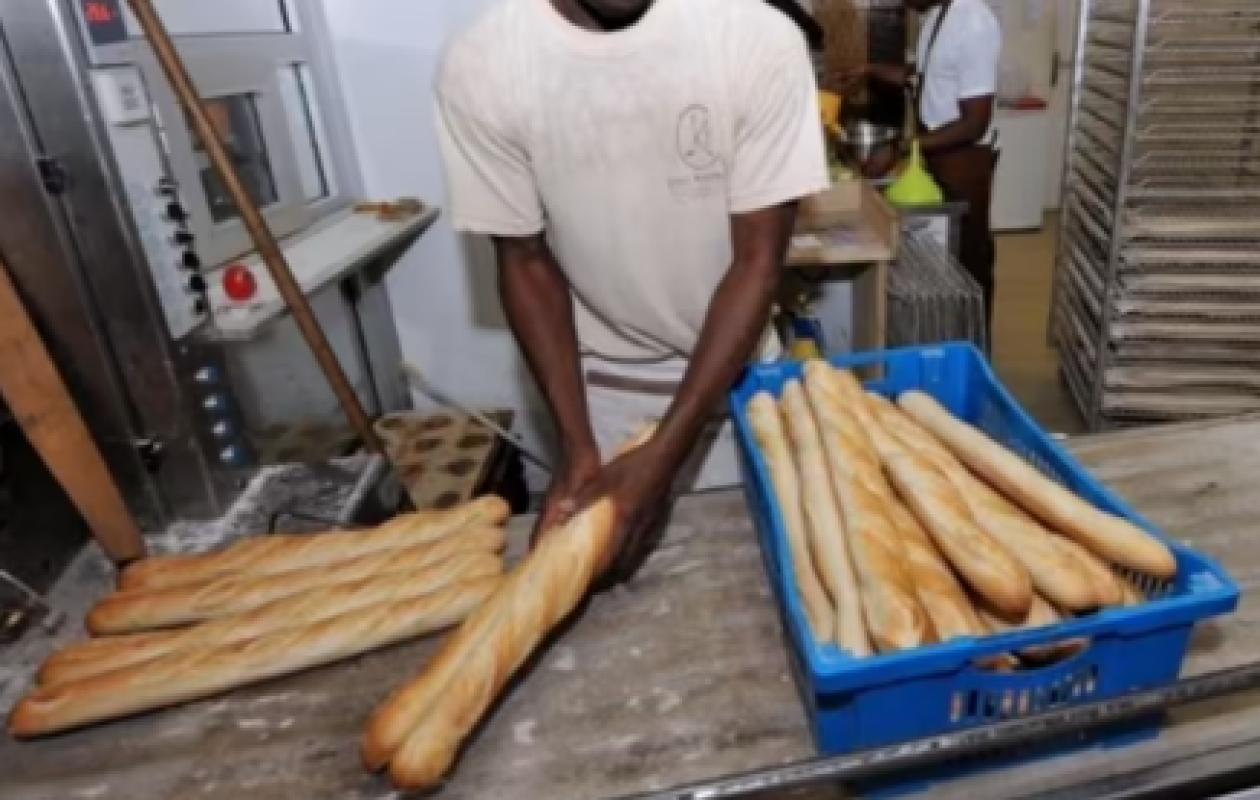
The consequences extend beyond flour production. Milling supports transport companies, logistics providers, distributors, bakeries and other food-processing businesses. Disruptions or weaker mill economics could therefore affect a broader network that depends on reliable flour availability.
AMIS said its members remain committed to continuing operations and supplying the domestic market regularly. The association also plans to maintain discussions with industry participants and other stakeholders about the sector’s economic conditions. Its statement did not announce production cuts, plant closures or a specific request for regulatory intervention, but it highlighted the increasing exposure of Senegal’s food supply chain to imported wheat and internationally determined costs.