Senegal moves to ease local rice crisis as 150 billion FCFA remains tied up in stock
Tens of thousands of tonnes of Senegalese rice remain unsold in warehouses in the Senegal River Valley, immobilising 150 billion FCFA. Dakaractu reports that producers, millers and importers are struggling to meet their commitments as the state seeks to prevent a wider breakdown of the sector.
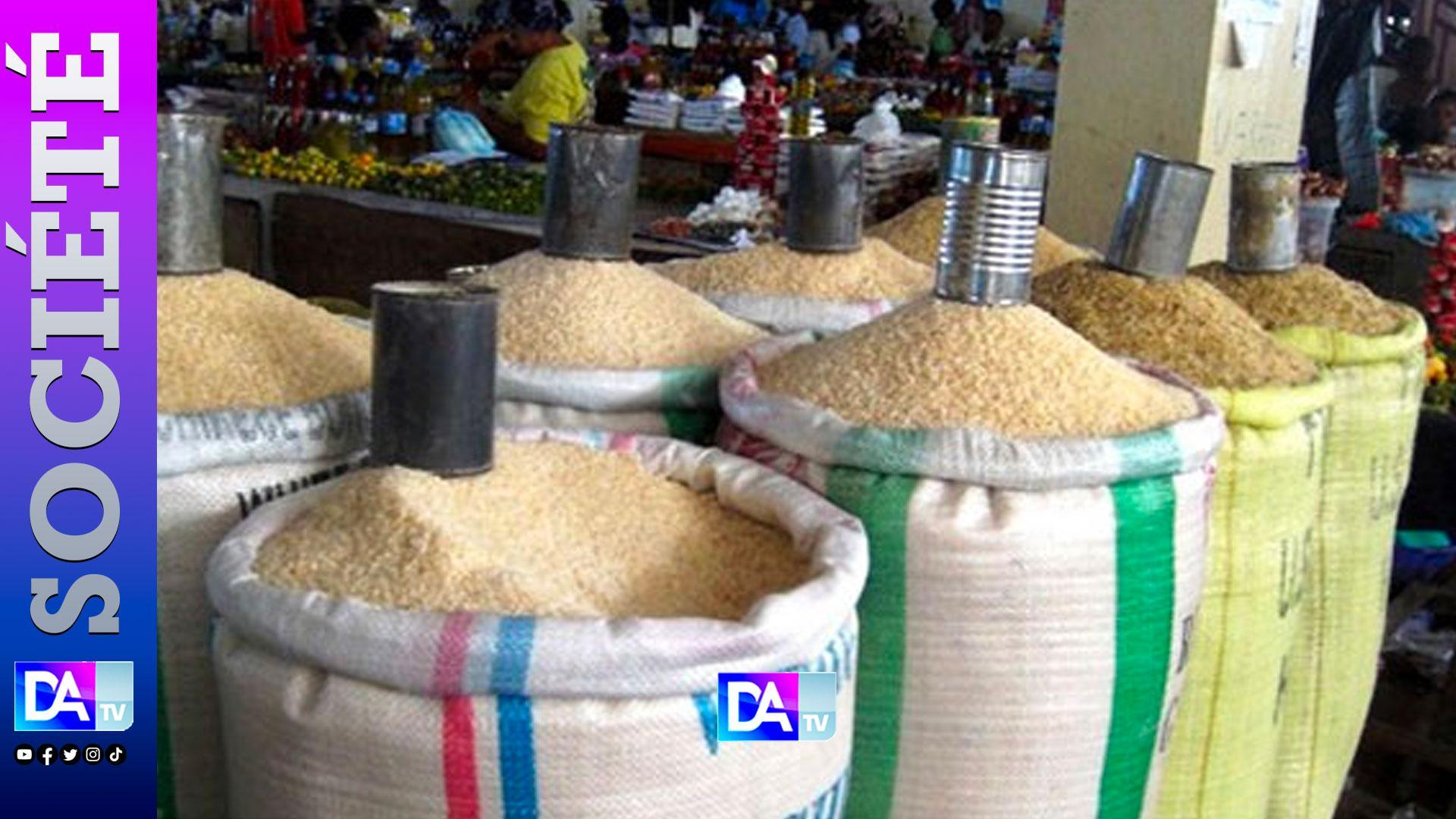
Warehouses hold tens of thousands of tonnes
Senegal’s local rice sector is facing a severe liquidity crisis as tens of thousands of tonnes of grain remain piled up in warehouses in the Senegal River Valley. According to Dakaractu, the unsold inventory has immobilised 150 billion FCFA, leaving capital trapped in stock rather than circulating through the production, processing and distribution chain.
The size of the financial exposure makes the problem broader than a routine delay in sales. Producers need buyers for harvested rice, while millers must recover the money committed to purchasing and processing paddy. Importers are also among the operators struggling to honour their commitments, Dakaractu reported. The pressure therefore extends across several parts of the market rather than falling on a single category of company.
Liquidity pressure spreads through the supply chain
Rice held in storage has commercial value, but it does not provide cash until it is sold and paid for. With 150 billion FCFA tied up, companies and farmers face less room to settle obligations and finance subsequent operations. The longer the inventory remains in warehouses, the longer those funds are unavailable to the businesses that produced, processed or acquired the grain.
The concentration of the stock in the Senegal River Valley is particularly significant because the area sits at the centre of the country’s local rice industry. Warehouses filled with unsold grain can restrict the ability of operators to handle additional production. The immediate issue is therefore not only the volume already stored, but also the pressure that this backlog places on the next commercial cycle.
Dakaractu’s account does not provide an exact tonnage for the accumulated rice or a breakdown of the 150 billion FCFA between producers, millers and importers. It nevertheless describes all three groups as having difficulty meeting their commitments. That combination points to a market-wide cash constraint: stock is present, but sales have not released the capital embedded in it.
State seeks to prevent wider disruption
The Senegalese state is intervening in an effort to prevent the crisis from suffocating the entire sector. The available report does not specify the measures under consideration or their timetable. The central challenge is clear, however: accumulated local rice must move out of warehouses if the affected operators are to recover the funds currently immobilised.
For producers, the outcome will influence their ability to market existing output and prepare for further activity. For millers, it will determine how quickly inventories and processing capital can turn over. Importers, also cited among the affected participants, must manage their commitments while local stock remains unsold. Any intervention will consequently have to account for obligations held across the chain rather than treating the crisis solely as a warehouse-capacity problem.
The case also shows the difference between producing rice and successfully commercialising it. Tens of thousands of tonnes have reached storage, yet 150 billion FCFA remains locked in the resulting inventory. Until buyers absorb the stock and payments flow back through the market, Senegal’s rice operators will continue to face financial pressure despite the physical availability of grain.