Seara enters Brazil’s R$12 billion ready-meals market as dining-out costs rise
JBS-owned Seara has launched a clean-label ready-meal line in Brazil, targeting a market valued at R$12 billion. The move comes as restaurant meal prices rise and more consumers take food prepared at home to work.
Seara targets an established R$12 billion category
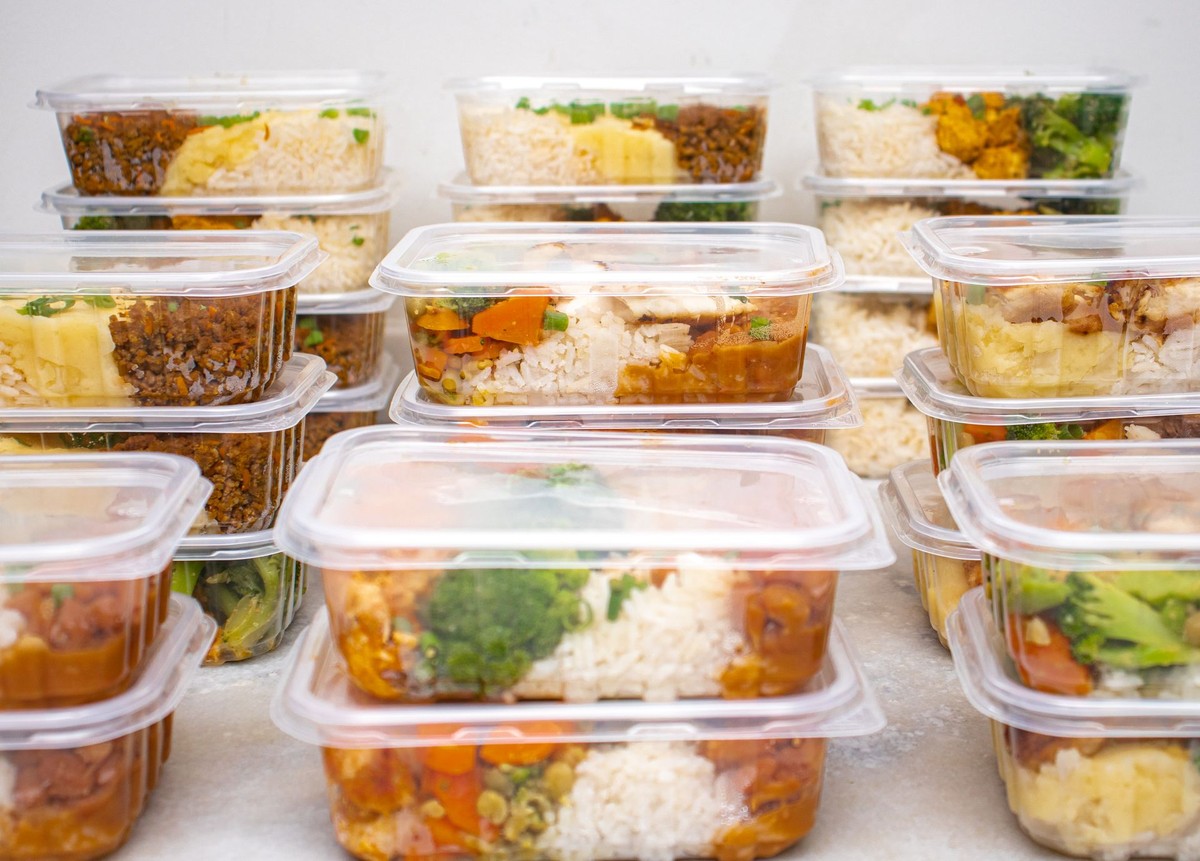
Seara, the food, poultry and pork brand owned by JBS, has entered Brazil’s ready-meals market with a clean-label product line made from everyday ingredients. The company is positioning the range around the taste of home-cooked food, seeking a place in a category valued at R$12 billion in Brazil.
The launch is aimed at an existing mass-market habit rather than a new consumption occasion. Seara estimates that about 18 million packed meals are consumed every month in the city of São Paulo alone. João Campos, CEO of Seara, said the company intends to bring scale, consistency and quality to a category that is already part of Brazilians’ daily routines and is expanding rapidly.
Higher dining-out costs support demand
The entry comes as the cost of eating outside the home continues to increase. According to the Prato Feito Index produced by the São Paulo School of Commerce, an institution linked to the São Paulo Commercial Association, the average price of a traditional fixed plate rose 1.67% between January and March, from R$29.77 to R$30.27.
Those prices are reinforcing more home-centred routines, with consumers preparing lunch at home or taking it to work. The shift is also visible among higher-income households. A Galunion survey found that 61% of respondents in Brazil’s class A had begun taking home-prepared meals with them more frequently.
For Seara, the opportunity extends beyond unit volumes on supermarket shelves. Campos said the company has changed its approach by mapping the consumer’s broader journey. Ready meals give the group a way to combine its established protein portfolio with convenience, standardisation and a proposition tied to the growing cost of foodservice.
Launch fits Seara’s value-added strategy
The new range forms part of a wider effort to increase the value generated from Seara’s Brazilian pork business. According to the company, portioned and seasoned cuts and products that are ready to cook already represent 49% of the category’s revenue. Seara aims to raise that share to 60% by 2027.
The company is also expanding its Açougue Suínos Seara Reserva programme, designed to professionalise pork retailing. The initiative operates in more than 1,300 stores and has a team of more than 130 consultants providing training, technical advice and certified products. Seara reports a client retention rate of 93% and says the programme is intended to reduce operating losses, improve margins and make demand more predictable.
Seara is pursuing the strategy in a market where pork has broad household penetration. Figures released by the company indicate that Brazilian per-capita pork consumption is expected to reach 19.5 kilograms in 2026, while the protein is present in 93% of the country’s households. The ready-meal launch therefore gives Seara another channel for converting widespread protein consumption into higher-value, convenient products as households reassess the cost of eating out.