Savola’s Q2 profit rises as higher volumes offset global sugar price decline
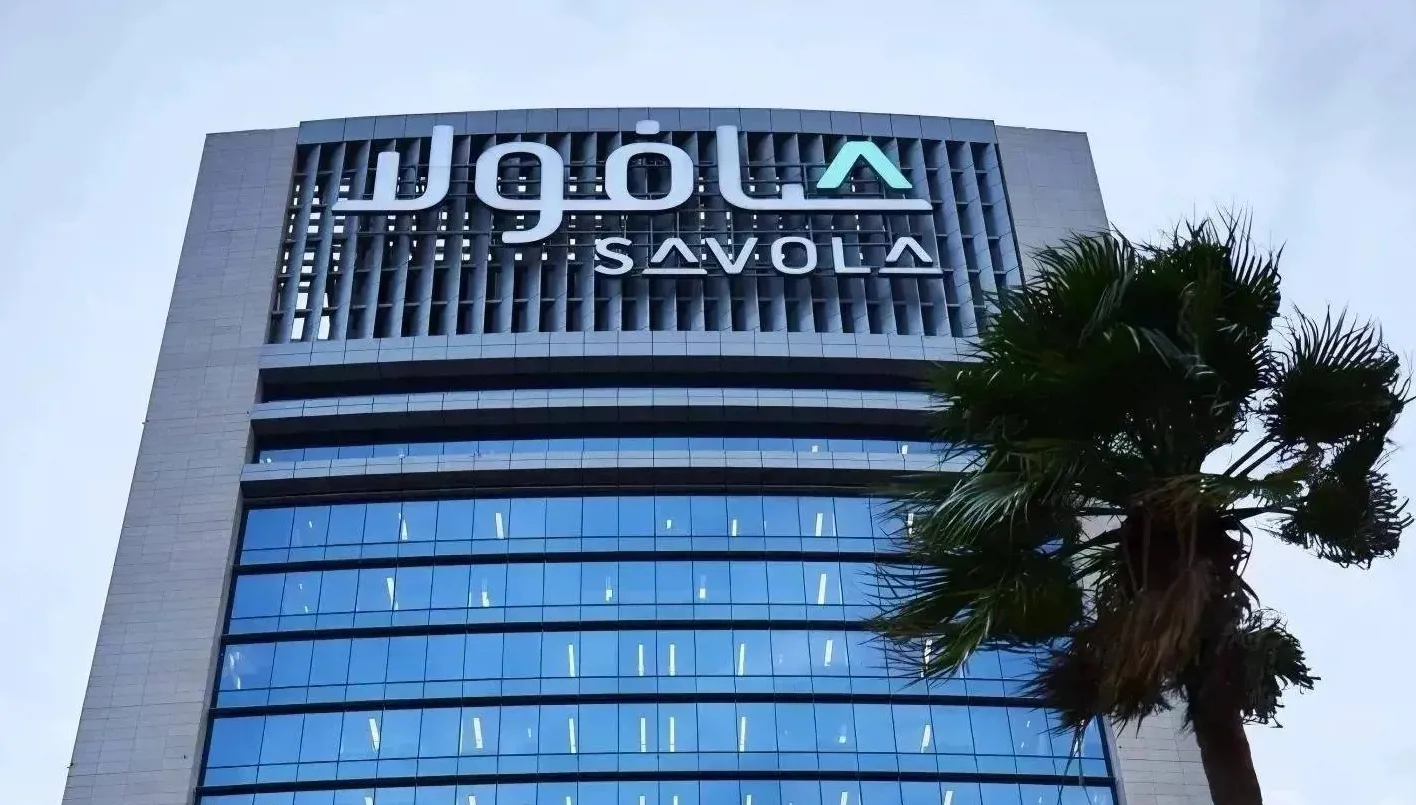
Savola Group increased second-quarter 2026 revenue by 8.6% and net profit by 10% as higher sugar sales volumes and edible oil prices offset falling global sugar prices. The Saudi food group also continued reshaping its portfolio through an exit from Sudan and an acquisition in nuts, spices and pulses.
Operating profit outpaces revenue growth
Saudi food and retail group Savola reported higher revenue and profit for the second quarter of 2026 despite a sharp decline in global sugar prices. According to An-Nahar, larger sales volumes helped absorb the price pressure, while operating improvements allowed profit to grow faster than revenue.
Second-quarter revenue increased 8.6% to SAR6.3 billion ($1.7 billion), from SAR5.8 billion ($1.5 billion) a year earlier. Net profit rose 10% to SAR117 million ($31.19 million), while operating profit advanced 14.7% to SAR274 million. Excluding non-recurring items, recurring net profit reached SAR129 million ($34.4 million), about 65% above the previous year’s SAR78 million.
For the first half, revenue increased 3.9% to SAR13.6 billion ($3.62 billion). Net profit attributable to shareholders climbed 36% to SAR401 million ($106.9 million), and operating profit rose 15.9% to SAR696 million ($185.6 million), from SAR600 million. Recurring net profit increased about 40% to SAR372 million ($99.2 million).
Food manufacturing leads the improvement
Savola attributed growth in its food manufacturing business to higher sales volumes, increased edible oil prices and larger sugar volumes. These factors partly offset a decline of more than 20% in global sugar prices during the first five months of 2026, which An-Nahar linked to surplus global production.
First-half food manufacturing revenue rose to SAR6.9 billion from SAR6.5 billion. Net profit nearly doubled to SAR313 million ($83.4 million), from SAR167 million ($44.5 million), supported by higher revenue and improved operating efficiency. The figures indicate that margin improvement, as well as sales growth, contributed to the division’s result.
Performance was more mixed elsewhere. Panda retail revenue remained broadly stable at SAR5.9 billion ($1.6 billion), supported by store-network expansion and growing e-commerce sales. Net profit nevertheless fell to SAR33 million ($8.8 million) from SAR49 million amid intense competition, price-conscious consumers and a SAR13 million non-recurring loss from an intangible-asset write-off. Excluding that charge, recurring profit was relatively stable at SAR46 million.
Frozen-food unit Al Kabeer recorded revenue of SAR411 million ($109.6 million), down 1.4% as regional geopolitical conditions affected the Saudi market. Its net profit rose 20% to SAR36 million due to stronger margins and cost control. Herfy food-service revenue declined 6.8% to SAR516 million ($137.6 million), but its net loss narrowed to SAR1 million from SAR18 million ($4.8 million).
Portfolio shifts toward core regional businesses
During the first half, Savola exited its Sudan operations for SAR52.5 million ($14 million). The disposal generated a SAR43 million ($11.5 million) gain, of which Savola’s share was SAR41 million ($10.9 million), recorded under discontinued operations. The move forms part of a multiyear effort to focus the portfolio on food and retail in Saudi Arabia and other regional markets.
After the half-year ended, Savola acquired the entire interest in Saudi food manufacturer Al-Muhbaj Al-Shamiya Trading for SAR11.4 million ($3 million). The price includes SAR6 million in deferred consideration payable one year after completion. Because the transaction involved a related party, it must be submitted to the nearest general shareholders’ meeting for approval. The acquisition is expected to strengthen manufacturing and marketing for the Afia and Al-Muhbaj brands in nuts, spices and pulses.
Savola shares rose 1.31% to SAR26.26 ($7) at the start of Monday’s session and had gained 19.96% since the beginning of the year. The results show that volume growth and cost discipline protected earnings from weaker sugar pricing, although retail competition and uneven demand across food categories continue to affect individual businesses.