Saudi Arabia’s United Group shifts barley orders away from Black Sea suppliers
United Group is reducing Black Sea barley purchases after war-related disruptions curtailed exports from Ukraine and Russia. The Saudi importer is turning to Argentina and EU suppliers as delivered barley prices rise by as much as 25%.
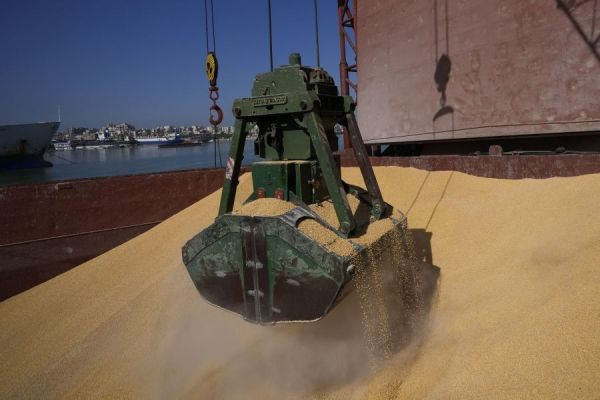
Black Sea share falls after supply disruptions
United Group, Saudi Arabia’s largest corporate buyer of barley, is reducing purchases from the Black Sea region and redirecting orders toward Argentina and the European Union. Elevatorist, reporting information published by Bloomberg and attributed to chief executive Abdulaziz Aldharrab, said the change followed disruptions caused by the war between Russia and Ukraine.
About one-quarter of United Group’s imports came from the Black Sea region during the first half of the year. That supply channel weakened over the summer as intensified fighting and damage to grain infrastructure sharply reduced exports from Ukraine and Russia. The last Black Sea vessel ordered by the company arrived in Saudi Arabia about two weeks before the report, and United Group is now receiving barley from alternative origins.
Argentina and EU suppliers gain orders
Argentina is expected to account for about 30% of United Group’s purchases this year, up from roughly 20% last year, according to Aldharrab. The company is also buying barley from Romania, Bulgaria and France. Australia and the Baltic countries are being considered as further supply options, widening the pool of origins available to the Saudi importer.
The shift is significant because United Group imports millions of tonnes of barley annually and is the largest buyer among Saudi companies. Saudi Arabia itself is the world’s second-largest barley importer. Changes in the company’s sourcing therefore have the potential to redirect substantial cargo volumes and influence competition among exporters serving the Gulf market.
Alternative origins cannot fully insulate buyers from higher costs. Barley delivered to Saudi Arabia is now as much as 25% more expensive than it was two months earlier, Aldharrab said. He warned that the increase would ultimately be passed through to the industry and consumers, contributing to food-price inflation. The increase combines tighter availability with more expensive freight and insurance.
Transport risks complicate Gulf grain supply
The war in the Middle East has added another layer of risk by disrupting grain shipments through the Strait of Hormuz. Saudi ports on the Red Sea have consequently become important grain reception points for Gulf countries this year. Risks around those routes are also increasing, however, adding to freight and insurance costs even as importers seek alternatives to disrupted Black Sea shipments.
Saudi Arabia maintains grain reserves to protect the domestic market from shortages. The country typically holds five to six months of wheat stocks, while barley importers are required to maintain reserves covering at least 55 days. These buffers give buyers time to diversify supply, but they do not eliminate the effect of sustained increases in replacement and logistics costs.
Less affluent countries in the Middle East and North Africa would face greater pressure if disruptions continued for several more months, Aldharrab said. He argued that reducing the intensity of the conflicts and preserving at least one corridor for grain transport would serve all parties. For producers in Argentina and the EU, the Saudi shift creates additional demand; for Gulf importers, it brings a broader supplier base but also longer routes, higher premiums and continued exposure to maritime risk.