Saudi Palm Waste Plan Targets Domestic Production of Resistant Wood Panels
Companies in Saudi Arabia plan to convert waste from the country’s 200 million palm trees into sustainable wood panels resistant to fire and moisture. The initiative aims to support local manufacturing and reduce dependence on imported materials.
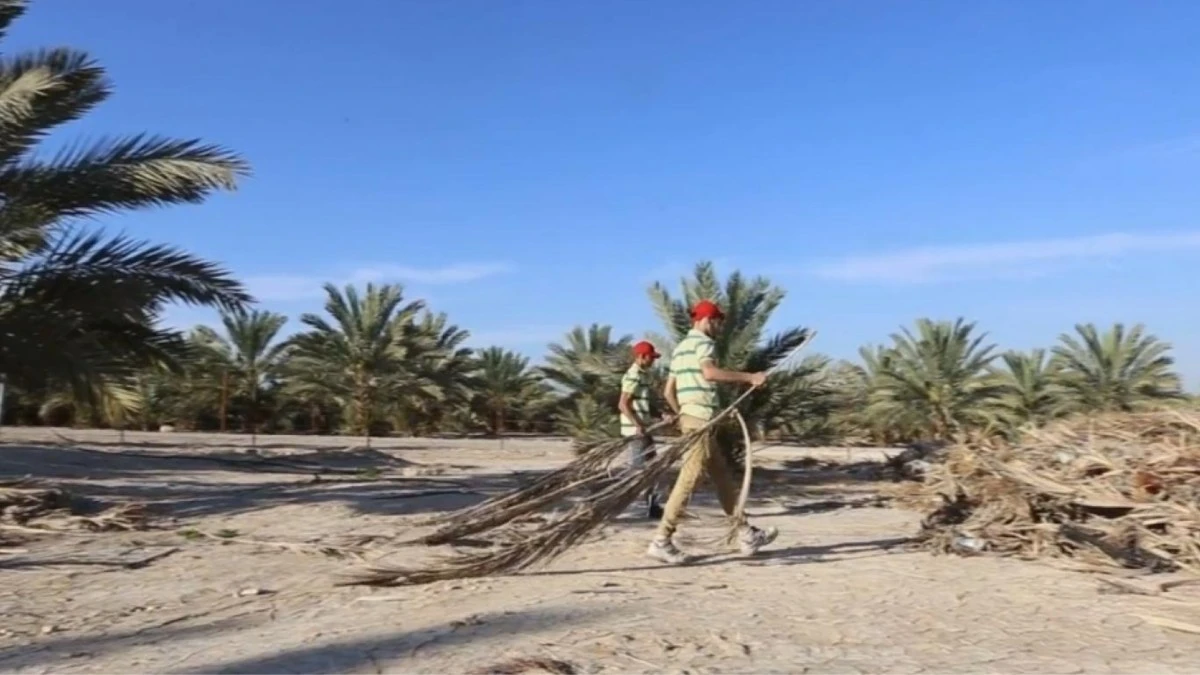
Palm residues emerge as an industrial feedstock
Companies in Saudi Arabia are targeting waste generated by the country’s 200 million palm trees as a raw material for a new sustainable wood industry. According to Saudi publication Al Eqtisadiah, the planned process would convert palm residues into wood panels designed to resist both fire and moisture. The initiative links a large agricultural resource with domestic demand for manufactured building and interior materials.
The proposal treats palm waste as an industrial feedstock rather than a residue requiring disposal. With 200 million trees providing the potential resource base, companies could source material inside Saudi Arabia instead of relying exclusively on conventional timber inputs. The available information does not identify the companies involved, planned investment, production capacity or timetable, so the commercial scale of the projects cannot yet be assessed.
Import replacement is a central objective
Al Eqtisadiah reports that the initiative is intended to support Saudi manufacturing and reduce dependence on imports. If the panels meet the required technical and commercial standards, domestic production could supply users that currently purchase wood-based materials from foreign producers. The main potential customers would include manufacturers and contractors requiring panel products that can perform in conditions where moisture and fire resistance matter.
Resistance to fire and moisture is central to the product proposition. Those properties could differentiate palm-based panels from basic boards, but buyers will require consistent performance, certification and reliable supply before replacing established materials. The source material does not provide test results, product specifications, prices or information about certification. These omissions leave open how the panels will compare with imported alternatives on cost, durability and compliance.
For importers and distributors, a viable domestic panel industry could alter procurement patterns. Some imported volumes could face competition from locally manufactured substitutes, while distributors might add Saudi-made panels to their portfolios. The extent of any substitution will depend on output, product quality and whether factories can maintain deliveries at industrial scale. No current import volumes or trade values were provided.
A supply chain must connect farms and factories
Building the industry would require more than panel-processing equipment. Palm residues would need to be collected, sorted, transported and prepared before manufacturing. That creates a potential domestic chain linking palm growers and agricultural service providers with processors, panel manufacturers, distributors and end users. The size of the palm population offers a broad resource base, but the number of trees alone does not establish how much usable residue can be recovered economically.
Feedstock quality and logistics will be decisive. Residues collected from geographically dispersed farms must arrive at processing facilities in predictable condition and volume. Manufacturers would also need production controls capable of delivering uniform panels with the stated resistance characteristics. Without disclosed plant locations, capacity or procurement arrangements, it remains unclear how companies intend to organize these operations.
Commercial evidence will determine the outcome
The plan fits Saudi Arabia’s objective of supporting local industry by transforming an existing agricultural by-product into a manufactured material. It could provide palm producers with an additional outlet for residues and offer industrial buyers a domestic alternative to imported wood panels. It could also keep more processing activity inside the country.
However, the available report describes an industrial ambition rather than a fully documented market launch. Investors, suppliers and importers will need details on factory capacity, investment, certification, panel pricing and the volume of recoverable palm waste. Until those figures are published, the clearest facts are the scale of the potential resource—200 million palm trees—and the intended product: sustainable panels resistant to fire and moisture.