Saudi Dates and Processed Date Products Enter Houston Retail Market
Saudi dates and processed date products are gaining shelf space in major retail markets in Houston under an export-enablement initiative. The move gives Saudi suppliers a foothold that could support wider distribution in the United States, although no shipment, sales or retailer figures were disclosed.
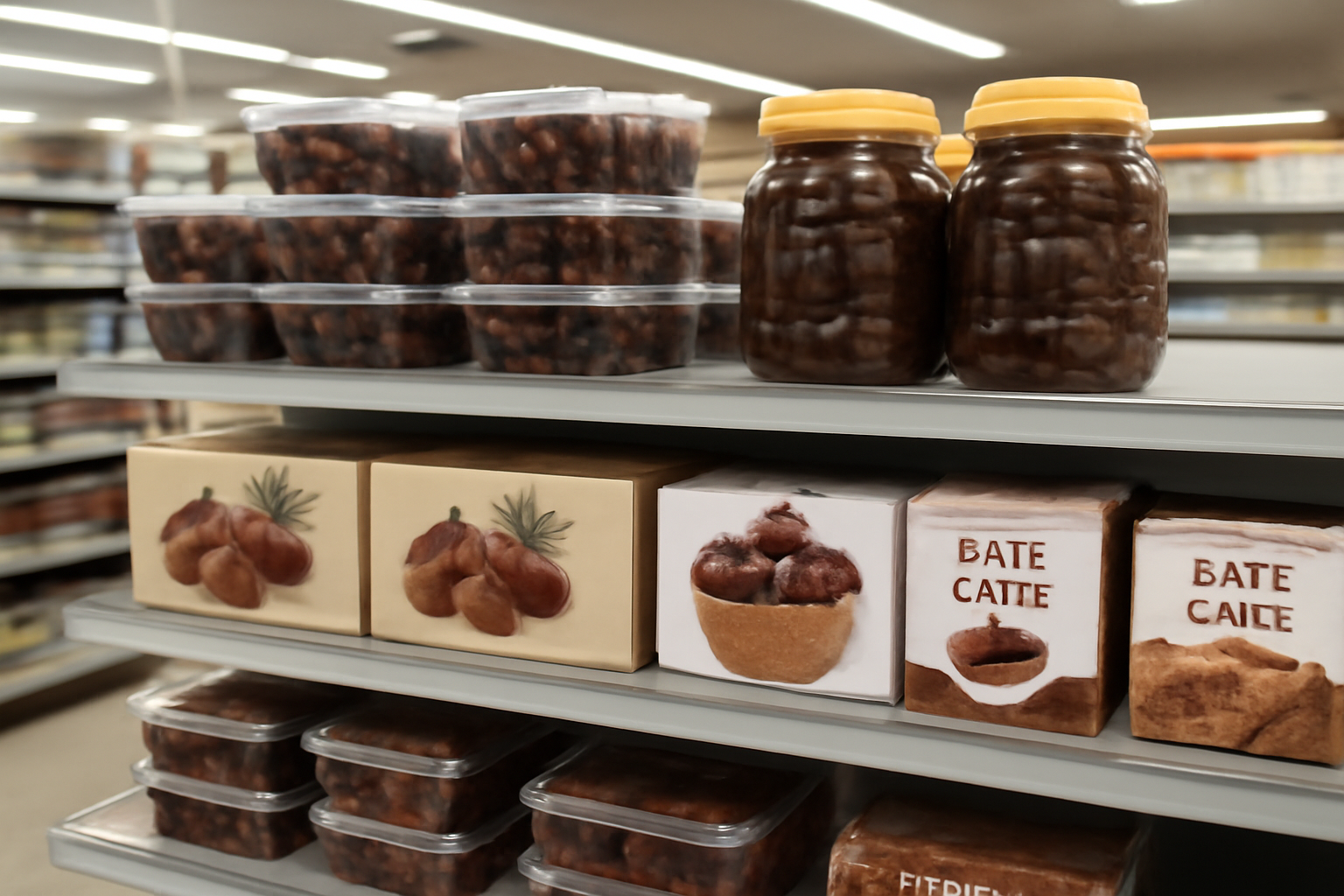
Saudi exporters open a retail channel in Houston
Saudi dates and processed date products are expanding their presence in the United States through new outlets in major retail markets in Houston. The placement forms part of an initiative designed to enable Saudi date exports and extend their international reach. The available information does not identify the participating retailers, exporters or product brands, and it gives no figures for shipment volumes, sales, prices or the number of stores involved.
Even without those details, entry into established retail channels is commercially different from occasional promotional shipments. Products sold through large stores must meet the retailer’s requirements for packaging, labeling, food safety, delivery schedules and stock availability. Continued shelf presence would therefore depend on whether Saudi suppliers and their US partners can maintain consistent supply and generate repeat purchases after the initial launch.
Processed products broaden the commercial offer
The initiative covers both whole dates and processed date products. That distinction matters for suppliers because processed formats can reach consumers beyond the traditional market for dates as a standalone fruit. They may also give exporters more options for product positioning, pack sizes and retail categories. However, the source material does not specify which processed products have entered Houston stores, so their precise market segment and competitive position cannot yet be assessed.
For Saudi producers and processors, the Houston placement offers a test of demand in a major US urban market. Importers and distributors can use store-level performance to judge which products, packaging formats and price points warrant broader listings. Retailers, meanwhile, will focus on sales per store, replenishment reliability and the ability of suppliers to support demand. None of those performance indicators has been published, making the initiative’s scale less important at this stage than whether the listings are retained and expanded.
Houston could serve as a wider distribution platform
A successful retail launch in Houston could provide a base for distribution elsewhere in the United States. Existing importer, warehouse and retail relationships can reduce the practical barriers to entering additional cities, while evidence of repeat sales can strengthen negotiations with other chains. Expansion is not automatic: suppliers would still need to manage freight, inventory, regulatory compliance and promotion across a much larger geography.
The next useful signals for the industry will be the identities of participating retailers, the number of outlets, the product range and any follow-on orders. Shipment volumes and repeat listings would show whether the program is developing into a durable commercial channel rather than a limited market-entry exercise. For now, the Houston rollout demonstrates that Saudi dates and processed products have secured access to significant US retail space, while the absence of commercial data prevents a firm assessment of their market impact.