Saudi construction boom opens opportunities for timber and interior suppliers
Saudi housing, hospitality and commercial projects are expanding demand for timber, panels and interior products. Arabian Business reports that the country’s timber import market is valued at $1.87 billion, creating opportunities for foreign suppliers and local processors.
Construction pipeline expands the addressable market
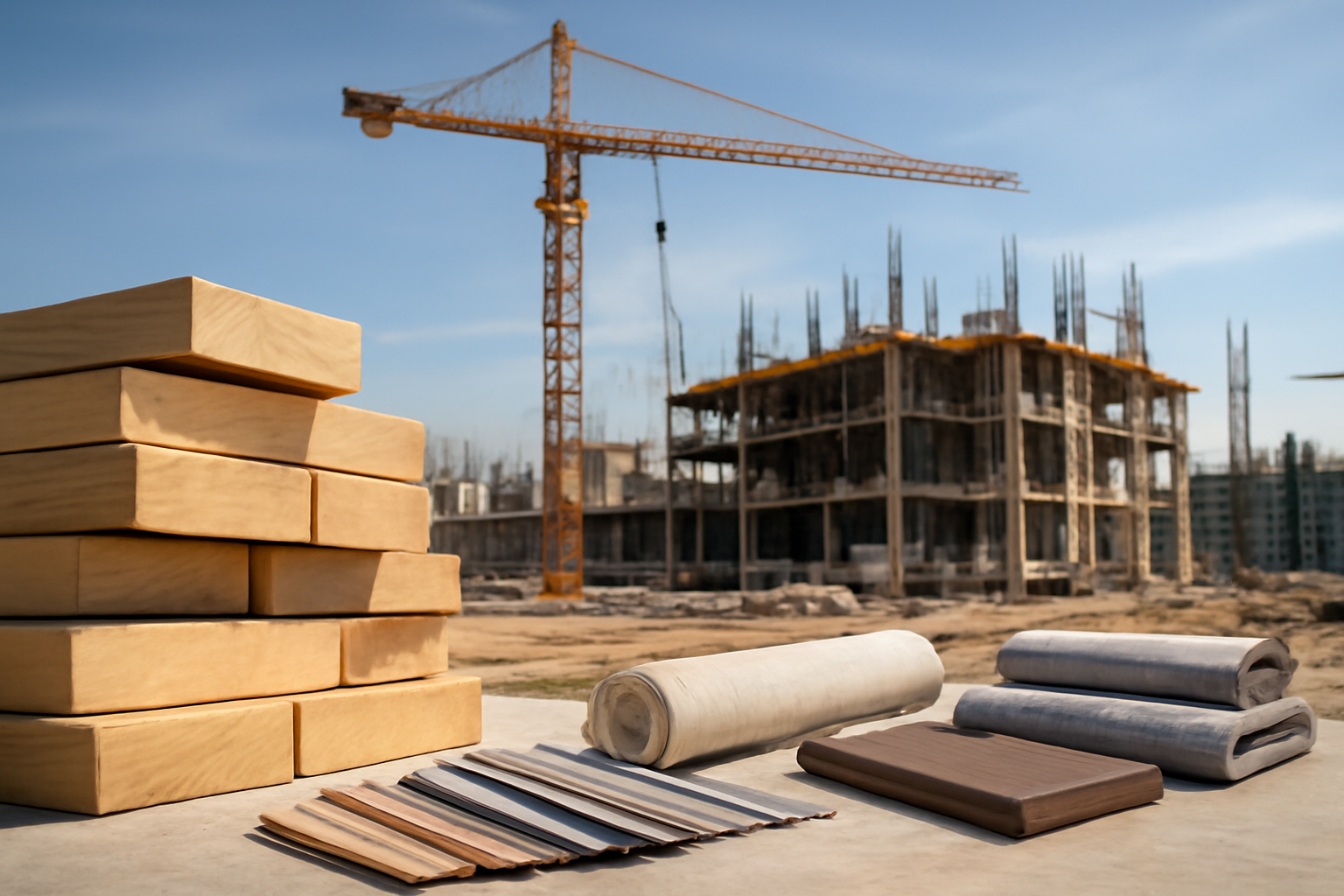
Saudi Arabia’s construction boom is widening the market for timber, engineered panels and interior products as housing, hospitality and commercial developments move forward. Arabian Business reports that these projects are creating broad opportunities for timber suppliers, panel manufacturers and companies serving the interior fit-out segment.
The scale of the opportunity is underlined by a timber import market valued at $1.87 billion. The reported figure shows the importance of overseas supply to the Saudi market and gives exporters a substantial commercial base to target. It also indicates that demand extends beyond structural timber to materials used in doors, flooring, cabinetry, furniture and finished interiors, although the source does not provide a breakdown by product category.
Each construction segment generates a different mix of demand. Housing projects require repeatable products supplied in volume, while hotels and commercial buildings can place greater emphasis on specifications, finishes and customized components. Suppliers therefore need to decide whether to compete primarily on scale, design capability, processing quality or project support.
Import value does not guarantee easy market access
A $1.87 billion import market is attractive, but the central commercial question is how much of that value individual suppliers can capture. Timber producers and panel manufacturers must connect their products to project schedules, contractor requirements and interior specifications. Availability alone is unlikely to be sufficient when construction buyers also need consistent dimensions, finishes, documentation and delivery performance.
The opportunity covers several points in the value chain. Exporters can supply sawn timber or panels, processors can convert imported material into project-ready components, and interior specialists can combine materials with design and installation services. Companies that move closer to the finished application may capture more value than those selling undifferentiated raw material, but they also assume greater execution and project-management demands.
For importers and distributors, the expanding project base creates a need to balance inventory against uncertain construction timetables. Holding stock can improve response times for contractors, but project delays can leave capital tied up in material. Direct project supply reduces inventory exposure, although it requires tighter coordination with developers, contractors and specification teams.
Suppliers face a choice between volume and value
The strongest opening may not be identical for every supplier. Large producers can pursue standardized orders for housing and commercial construction, while specialized manufacturers can target hospitality and interior projects where appearance, machining and finishing carry more weight. Panel suppliers may also benefit where builders seek consistent products suitable for industrial processing and repeatable installation.
Saudi demand offers foreign suppliers access to a large import-dependent market, while giving local processors scope to add value after materials enter the country. The competitive test will be whether companies can turn the construction pipeline into dependable orders and defend margins through quality, service and processing. The $1.87 billion market sets the scale, but project execution will determine which producers, traders and interior suppliers ultimately benefit.