Saudi Arabia widens access for American meat and food products after scrapping meat verification programme
Saudi Arabia is expanding the presence of American meat and food products in its market, according to Nabaa TV, which links the shift to the cancellation in April of a Saudi programme verifying the quality and specifications of US meat. The US Consul General in Jeddah, Rafik Mansour, said American beef sales to the Kingdom had risen to unprecedented levels. No volume or value figures were published.
Saudi Arabia is moving to widen the presence of American meat and food products in its domestic market, according to the Arabic-language outlet Nabaa TV, which reported that the opening is accompanied by supply and commercial facilitations granted to American and Western companies.
The report ties the shift to one specific regulatory decision and to visible diplomatic promotion of US products inside the Kingdom. It does not publish volume, value or price figures, and no Saudi government document is quoted, so the scale of the opening cannot be measured from the available material.
April: verification programme withdrawn
The concrete measure identified by Nabaa TV is the cancellation, in April, of a Saudi oversight programme whose function was to verify the quality, specifications and standards of American meat destined for export to Saudi Arabia. Removing a destination-market verification step changes the mechanics of shipment for US plants: product clears on existing certification rather than passing an additional dedicated check tied to the Saudi market.
For exporters, a measure of this kind often matters more than a tariff line. Dedicated pre-export verification adds paperwork, audit exposure and the risk of consignments being held or rejected on arrival, and each of those carries a cost and lead-time penalty that falls hardest on chilled product with a short shelf life. The report does not state whether the programme was replaced by another control mechanism, or whether standard certification requirements continue to apply.
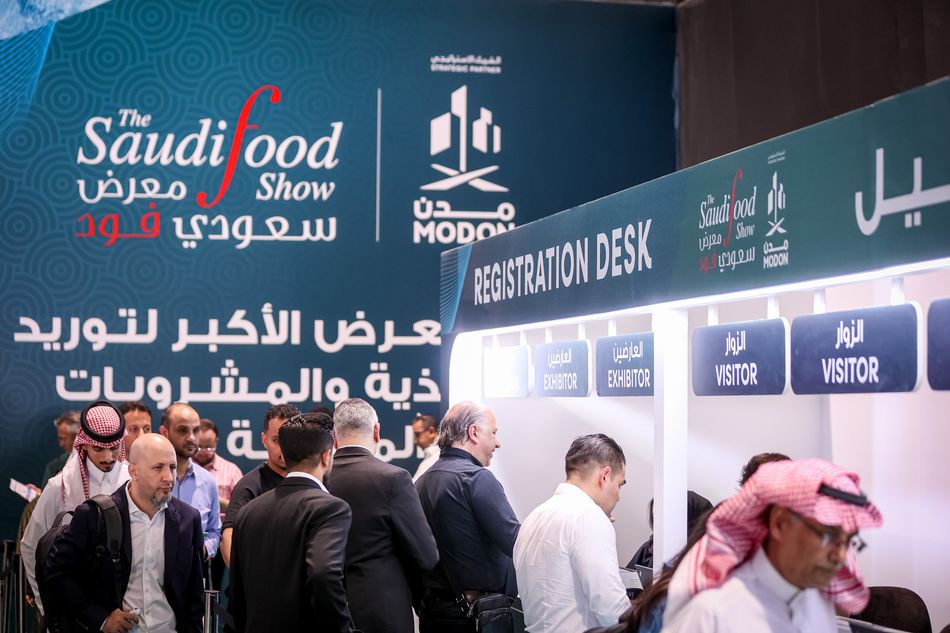
US consular promotion at Saudi Food Show
Rafik Mansour, the United States Consul General in Jeddah, said during his participation in the Saudi Food Show that American beef sales to Saudi Arabia had risen to an unprecedented level, Nabaa TV reported. No figure was attached to that statement in the source text.
Mansour's role at the exhibition went beyond remarks. According to the same report, he joined a tasting of American beef on the show floor, which the outlet described as direct promotion of US products. Trade-show tastings and senior consular presence are standard instruments of agricultural export promotion, and their use signals that beef is being handled as a priority category rather than an incidental line in a broader food portfolio.
Framing, and what the report leaves open
Nabaa TV presents the facilitations as being extended to American and Western companies at the expense of the local market. That is the outlet's characterisation rather than an official position or a measured outcome. Saudi Arabia is a structurally import-dependent food market, and wider access for a competitive origin tends to pressure whichever suppliers previously held share. Whether domestic producers and processors are in fact losing volume cannot be established from this reporting.
- Volumes and values of US beef shipments before and after the April decision are not disclosed.
- The report does not identify which food categories beyond meat gain access, nor list the specific supply and commercial facilitations involved.
- No Saudi regulatory authority is quoted directly; the only official voice in the report is the US Consul General.
Until Saudi customs records or US export statistics confirm the direction and the size of the move, the verifiable content remains narrow: one verification programme withdrawn in April, and a US diplomatic claim of record beef sales made at a Saudi food exhibition. For importers and distributors in the Gulf, the operational signal is nonetheless clear enough to plan around, because the barrier that was removed sat on the compliance side rather than on price.