Saudi Arabia Eyes New Industries for Waste From 37 Million Date Palms
Saudi Arabia is examining the industrial potential of waste generated by more than 37 million date palms. With annual date production exceeding 1.9 million tonnes, material once treated as an economic and environmental burden could become an input for new industries.
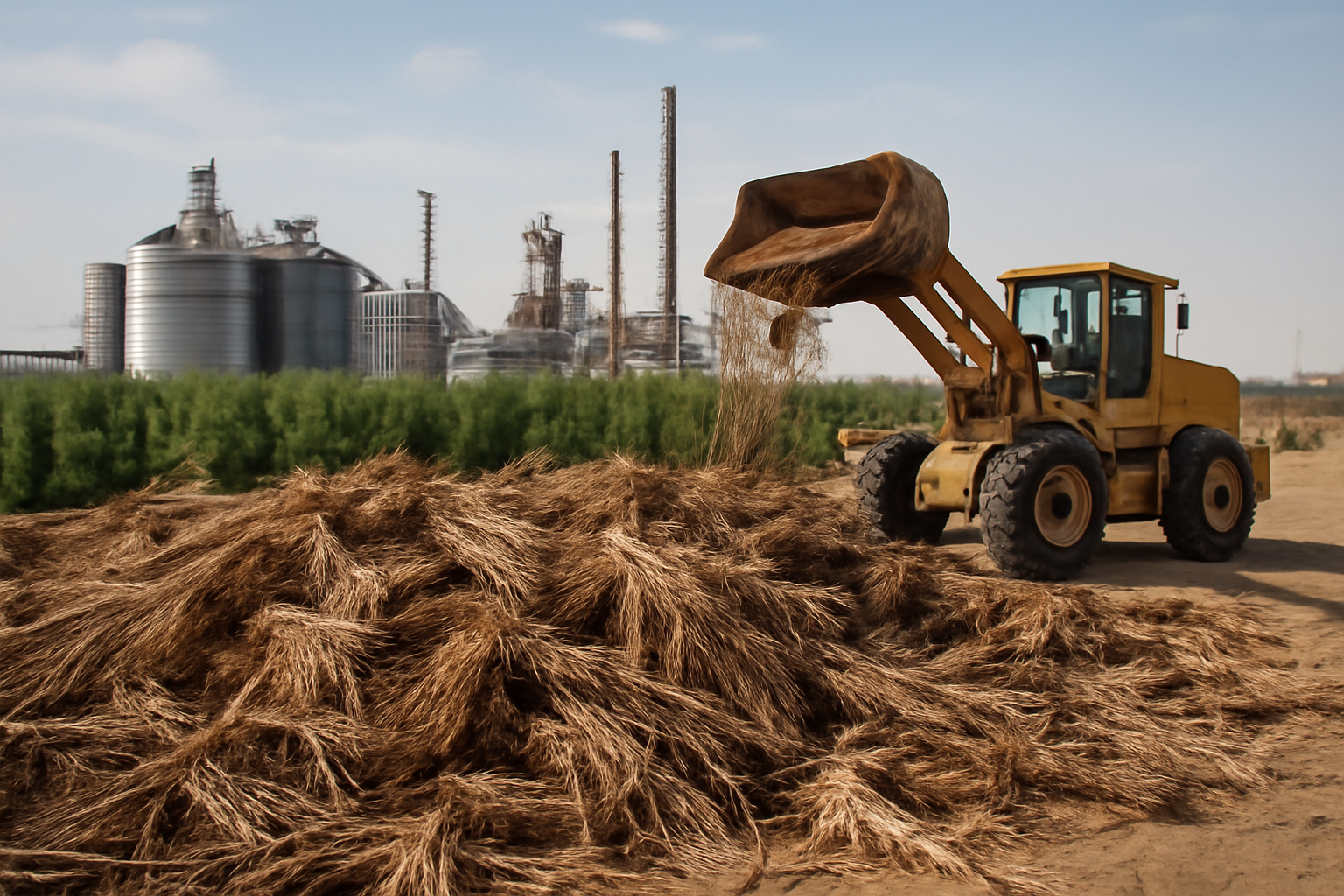
A large agricultural resource
Saudi Arabia's date industry is looking beyond the fruit itself as businesses assess the commercial value of waste generated across the country's palm farms. The scale is substantial: Saudi Arabia has more than 37 million date palms and produces over 1.9 million tonnes of dates annually, according to Arabian Business.
Those figures imply a broad and recurring supply of material associated with palm cultivation and date production. Arabian Business describes this waste as an economic resource that has remained underused. The publication says material previously regarded as both an economic cost and an environmental burden is increasingly being considered as a raw material for new industries.
The opportunity is important because the available resource is tied to an established agricultural sector rather than a new crop requiring additional planting. For processors and investors, the central commercial question is whether dispersed waste from farms and date-handling operations can be collected and converted into consistent industrial inputs at a viable cost.
From disposal burden to industrial input
Treating date-palm waste as a raw material changes its place in the industry's economics. Material that may otherwise carry handling or disposal costs could acquire a market value if buyers can use it reliably. That would create a possible secondary revenue stream around an industry already producing more than 1.9 million tonnes of dates each year.
The transition will depend on practical factors that are not detailed in the available source material. These include the volume of recoverable material, its quality, the distance between farms and processing sites, and the ability of prospective users to secure regular supplies. The existence of more than 37 million palms establishes scale, but scale alone does not guarantee profitability.
Standardisation will also matter. Industrial users generally need predictable characteristics and delivery schedules, while agricultural waste can vary by location and stage of production. Companies able to organise collection, sorting and initial processing could therefore occupy a critical position between palm growers and the new industries using the material.
Commercial implications for the date sector
For growers, a functioning market for palm-related waste could reduce a cost or turn an unwanted material into an additional source of income. For date processors, it could improve the economics of handling material left outside the principal food product. Investors, meanwhile, will need to distinguish between the large theoretical resource and the portion that can be recovered and sold competitively.
The initiative could also broaden the industrial base connected to Saudi Arabia's date economy. Instead of relying solely on the sale and processing of dates, participating companies could develop commercial relationships around secondary materials. That would link agricultural production more closely with domestic industrial demand without changing the sector's core crop.
The immediate significance lies in the size of the starting point: more than 37 million palms and annual date output above 1.9 million tonnes. The next measure of progress will be whether projects can turn that scale into dependable supply chains, repeat purchases and commercially priced raw materials. Until those elements are demonstrated, date-palm waste remains a large potential resource rather than a fully established industrial market.