Saudi Arabia opens 2026 date harvest as early varieties reach central markets, Qassim leads output
Central date markets across Saudi Arabia have begun receiving the first arrivals of the 2026 season, led by early rutab and local varieties in Riyadh, Medina, Al-Ahsa and Qassim. The kingdom produced about 1,922,932.5 tonnes of dates in 2024, with Qassim the top region.
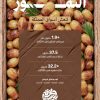
Early varieties reach central markets
Saudi Arabia's central date markets have begun receiving the first arrivals of the 2026 season, with early rutab and local date varieties appearing in wholesale outlets across the kingdom's main growing regions, al-Jazirah Online reported. The harvest, which typically runs from June through the end of November, opened with large volumes concentrated in Riyadh, Medina, Al-Ahsa and Qassim, the country's most prominent date-producing areas. The early arrivals have drawn wide consumer demand, the report said, reflecting the diversity and quality of local varieties. The Ministry of Environment, Water and Agriculture linked the season to its summer awareness campaign "Helwa Bimawsimha," which promotes locally grown produce.
Qassim leads national output
Total Saudi date production reached about 1,922,932.5 tonnes in 2024, according to ministry figures cited by al-Jazirah Online. Qassim ranked first among all regions, drawing on its historic role as a leading date production and marketing hub, while Riyadh followed on the strength of wide farming areas and Medina on its well-known premium varieties. Production by region in 2024 was as follows:
- Qassim: 584,127.8 tonnes
- Riyadh: 456,963.5 tonnes
- Medina: 346,932.9 tonnes
- Eastern Province (Al-Ahsa oasis): 261,581.6 tonnes
- Asir: 61,680 tonnes
- Tabuk: 56,270.2 tonnes
- Hail: 52,456 tonnes
- Mecca: 42,912.9 tonnes
- Al-Jouf: 42,889.2 tonnes
- Najran: 13,081.9 tonnes
- Al-Baha: 3,292.4 tonnes
- Northern Borders: 559.7 tonnes
- Jazan: 184.3 tonnes
The Eastern Province owes its output to Al-Ahsa, described as the largest natural palm oasis in the world. The spread of figures underscores the geographic diversity of Saudi date growing, with a small number of regions accounting for the bulk of national supply.
Expanding tree base and export ambitions
The ministry said the total number of palm trees reached 37,565,146 in 2024, of which 32,206,186 were fruit-bearing, signalling continued expansion of the sector. Officials framed the growth within Saudi Vision 2030, which targets food security, sustainable agricultural production and stronger competitiveness for Saudi goods at home and abroad.
The ministry added that it is developing the date value chain from cultivation through manufacturing, packing and marketing, with the aim of expanding exports and opening new markets for Saudi dates. The kingdom is one of the world's largest date producers, supported by a diversity of varieties and an integrated production and agricultural-marketing system.