Saudi Arabia’s Al-Kharj produces 90,400 tonnes of dates worth 723 million riyals
Al-Kharj produces about 90,400 tonnes of dates annually, equal to 4.7% of Saudi Arabia’s 2024 output, according to Sabq. The crop is valued at 723 million riyals and supports more than 6,000 seasonal jobs.
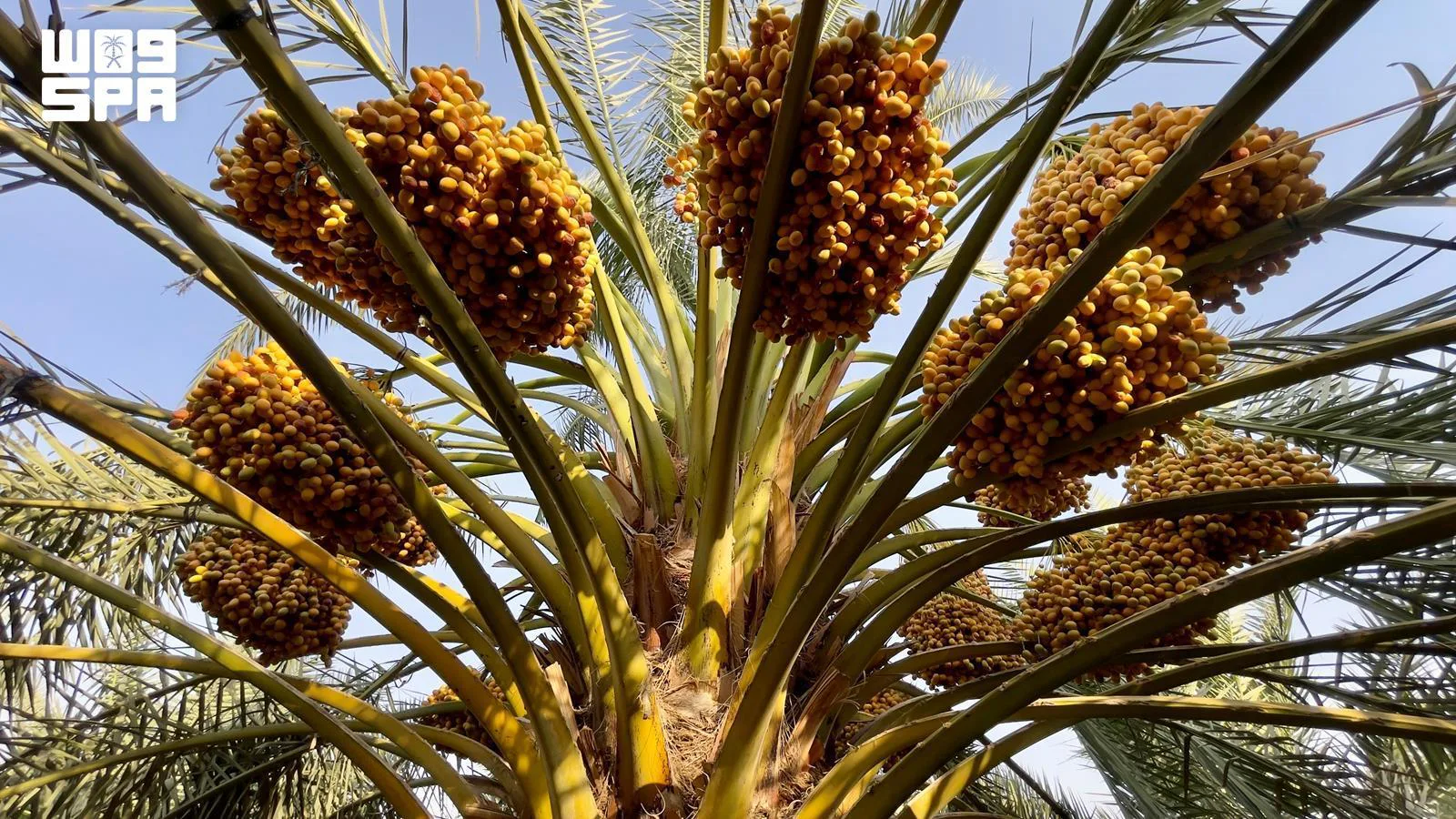
Al-Kharj accounts for 4.7% of national output
Saudi Arabia’s Al-Kharj governorate produces about 90,400 tonnes of dates annually, with an estimated economic value of 723 million riyals, Sabq reported, citing statistics from the National Center for Palms and Dates. That volume represents about 4.7% of Saudi date production and places the governorate among the country’s major production centers.
Saudi Arabia produced approximately 1.92 million tonnes of dates in 2024, an increase of 1% from the previous year. Riyadh Region ranked first among the kingdom’s producing regions with 436,112 tonnes. Al-Kharj alone accounted for about 20.7% of the region’s total, giving its growers and processors an important position in the supply base around the Saudi capital.
The governorate contains 1,476,208 palm trees, of which 1,189,771 are productive. Fruiting palms therefore represent about 80.6% of its total stock. Across Saudi Arabia, the number of palms exceeded 37.6 million in 2024, including more than 32 million productive trees, according to the General Authority for Statistics. Al-Kharj represents about 3.9% of the national palm population.
Processing expands beyond whole dates
Khalas Al-Kharj is the governorate’s best-known variety locally and internationally. Other varieties include Sukkari, Nabtat Saif, Sufri, Shishi, Hilali and Barhi. This range gives packers access to products for different consumer segments and processing applications.
Al-Kharj has factories and specialized facilities for sorting, packing and processing dates. Production lines include vacuum-packed dates with extended shelf life, date paste for confectionery and bakery products, date molasses as a natural alternative to sugar, date vinegar and stuffed dates. Processors also turn date pits and fruit that fails to meet human-consumption standards into animal feed, creating an outlet for lower-grade material and processing residues.
The sector provides more than 6,000 seasonal jobs during the harvesting and marketing seasons. Local authorities have allocated sales areas for date farmers in the central market and at other sites across the governorate. Periodic inspections and sampling are conducted to check that products are free from insecticide residues.
Export infrastructure supports market access
The National Center for Palms and Dates operates the electronic Tadawul Dates platform, connecting farmers with traders and factories. It also provides services for issuing date export certificates and verifying shipments, supporting access for Al-Kharj products to international markets.
Saudi date exports were valued at about 1.938 billion riyals in 2025, up 15.9% from 1.695 billion riyals in 2024, according to Sabq. Shipments reached more than 133 countries, while national self-sufficiency in dates exceeded 119%. These figures make export channels particularly relevant as domestic production remains above the level required to cover national consumption.
Marketing events also support local sales. The second Al-Kharj Dates and Saudi Coffee Festival attracted about 2 million visitors between January and February 2026. Sabq reported that the event generated around 11 million riyals in commercial and tourism activity and provided more than 2,000 seasonal jobs.