Sapporo develops mildew-resistant hop to protect beer ingredient supply
Sapporo Breweries has developed Furano 2004B, a hop resistant to powdery mildew. The variety could become Japan’s first registered hop with this resistance and help stabilize yields and quality as climate risks increase.
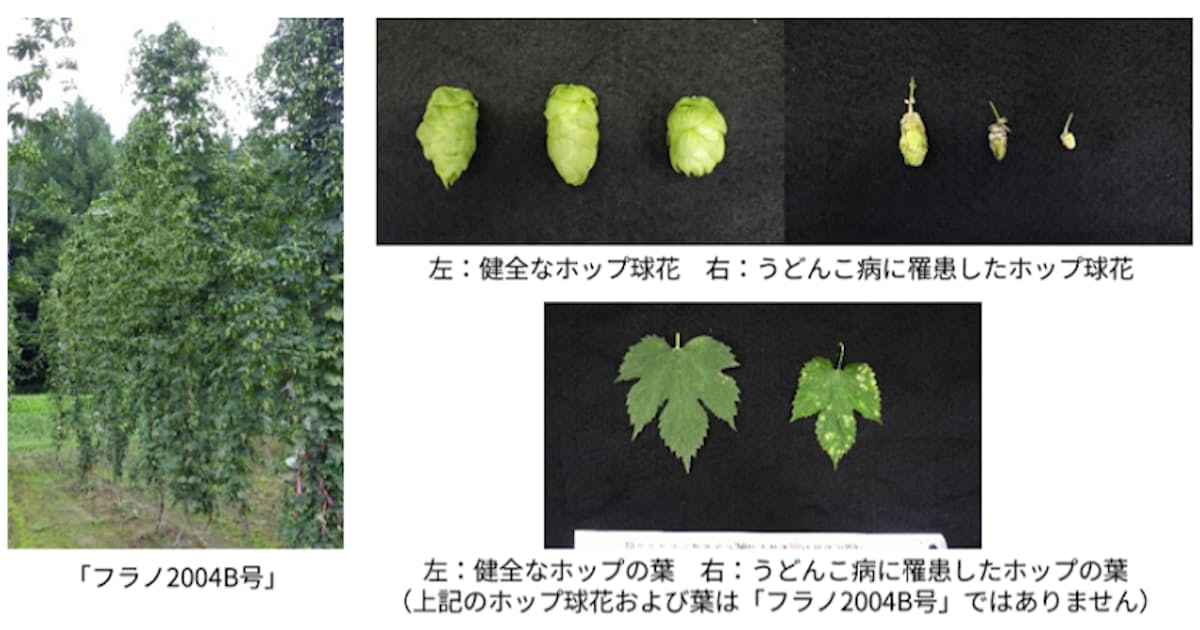
A new hop for a warmer growing environment
Sapporo Breweries has developed a hop variety resistant to powdery mildew, a disease that threatens hop yields and brewing quality. Named Furano 2004B, the variety is intended to reduce disease exposure and support stable production and procurement of a critical beer ingredient as the climate warms and weather becomes less predictable.
According to a company release published by Nikkei on July 29, 2026, Furano 2004B would become Japan’s first registered hop variety with resistance to powdery mildew if its registration is completed. Sapporo presented the development as the result of continuing work to secure beer raw materials over the long term. The release did not provide a timetable for registration, commercial cultivation or use of the hop in specific beer brands.
Powdery mildew threatens yield and bitterness
Hops provide beer with aroma and bitterness, while their yield and quality depend heavily on growing conditions. Powdery mildew produces white, powder-like spots on hop leaves and cones. Infected cones may suffer restricted growth and shrinkage. Infection can also reduce the compounds responsible for beer’s bitterness, lowering both the volume and quality of the crop available to brewers.
The disease is reported to spread readily at temperatures around 20°C, with infection risk increasing at night. Japan’s main hop-producing areas in Hokkaido and the Tohoku region have relatively cool climates suited to cultivation. Sapporo warned that higher nighttime temperatures could create more favorable conditions for powdery mildew in these regions, increasing the potential damage to domestic hop production.
Resistance could reduce dependence on crop protection chemicals
Pesticide spraying is currently the principal method used against powdery mildew. However, Sapporo said some growers have experienced outbreaks even after applying pesticides, making disease control increasingly difficult. The company also expects restrictions on chemical pesticides to tighten globally as regulators seek to reduce environmental impacts. A resistant variety could therefore give growers another tool where chemical control is ineffective, restricted or costly.
For hop producers, the commercial value of Furano 2004B will depend on more than disease resistance. Yield performance, cone quality, bitterness compounds, aroma characteristics and suitability for local cultivation will determine whether farms and brewers adopt it. No comparative trial results or production figures were disclosed in the release. Even so, successful registration would add a domestic option for managing a disease that could become more damaging as nighttime temperatures rise.
Implications for brewers and raw-material procurement
The development addresses a supply risk at the agricultural end of the brewing chain. Disease-related losses can reduce usable hop volumes and alter the concentration of bitterness compounds, affecting procurement planning and product consistency. A variety that maintains healthier cones under greater disease pressure could help growers protect marketable output and give brewers more predictable access to locally produced hops.
Furano 2004B does not eliminate the broader climate risks facing hop cultivation, including warming and unstable weather. Nor does the announcement establish when the variety might reach commercial scale. It does, however, show how breeding programs can complement farm management and crop protection measures. Registration and field performance will be the next tests of whether Sapporo’s new hop can strengthen Japan’s beer ingredient supply.