Live-hog prices in São Paulo hit record low as pork demand weakens
Live-hog prices in São Paulo have fallen to their lowest level on record amid weak demand for pork at the retail end of the market. The downturn increases pressure on producer margins and could eventually affect hog supply if farmers respond by limiting production.
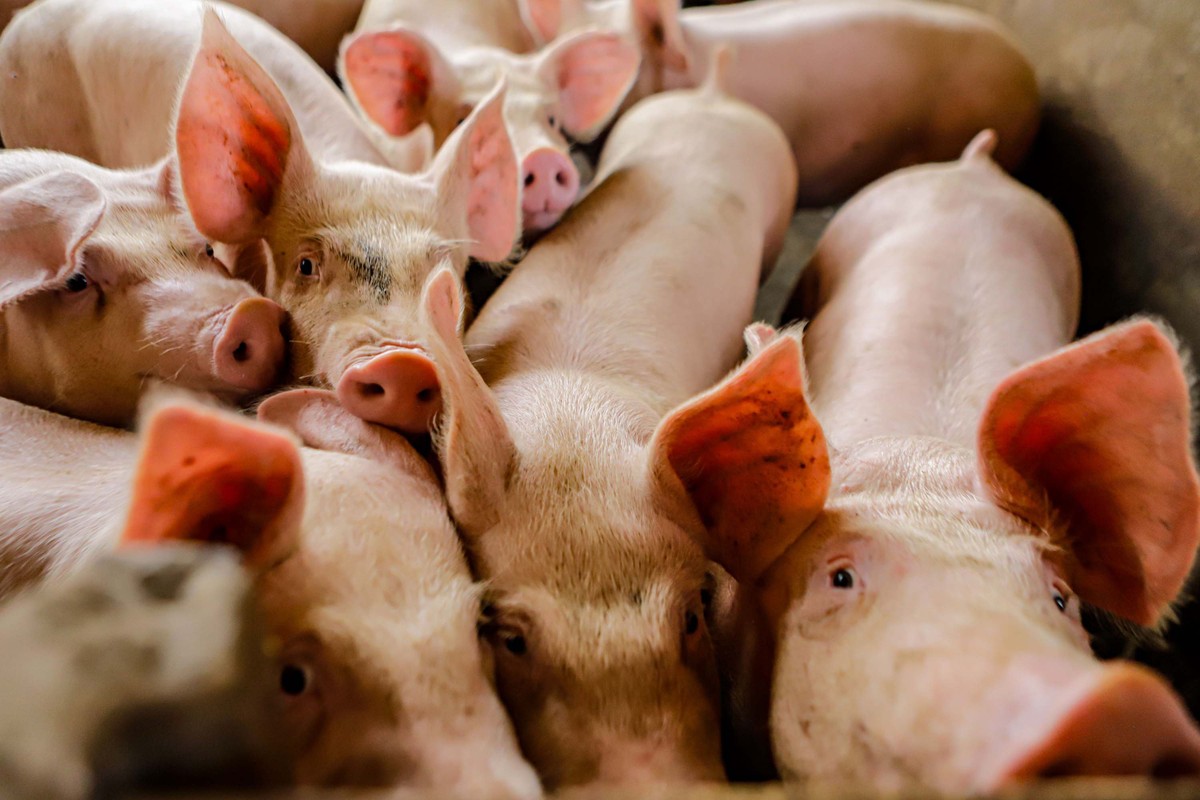
Weak pork demand deepens the price decline
Live-hog prices in São Paulo have fallen to their lowest level on record, according to Globo Rural. The publication said the decline intensified as demand for pork weakened at the final stage of the market, citing the Center for Advanced Studies on Applied Economics, known as Cepea.
The report did not provide the current live-hog price, the size of the decline or a comparison period. It nevertheless identifies a clear source of pressure: pork demand has been too weak to support livestock prices in Brazil’s largest state market. When sales at the consumer end slow, slaughterhouses and distributors generally have less incentive to compete for animals, allowing weaker demand to move back through the supply chain.
São Paulo is an important consumption, processing and distribution market. A record-low quotation there therefore matters beyond farms selling hogs directly in the state. The decline can influence negotiations between producers and meatpackers, inventory decisions by processors and purchasing strategies among wholesalers and retailers.
Producer margins come under pressure
For hog farmers, falling animal prices reduce revenue per unit sold. The effect on profitability depends on production costs, which were not detailed in the report. Feed, animal health, energy, labor and financing remain central items in commercial pig production, meaning a sharp fall in livestock revenue can quickly tighten cash flow even when farms maintain output.
Producers with animals ready for slaughter have limited flexibility because keeping hogs longer raises feed use and can disrupt farm schedules. This gives buyers greater bargaining power during a demand-driven downturn. Smaller and less capitalized farms are typically more exposed to prolonged periods of weak prices because they have fewer options to delay sales or absorb negative margins.
The immediate price signal could lead farmers to review herd expansion, breeding plans and purchases of production inputs. However, biological production cycles mean supply cannot be adjusted instantly. The market may consequently remain under pressure while existing animals move through farms and slaughter plants.
Processors face a demand test
Lower live-hog prices can reduce raw-material costs for meatpackers, but they do not automatically restore profitability across the chain. The central issue identified by Cepea is weak pork demand at the market’s final stage. If retail sales remain subdued, processors may struggle to increase slaughter volumes or pass inventories through distribution channels, even when animals become cheaper.
Retail promotions could help move pork and rebalance inventories, but stronger volumes would need to be sustained before buyers regain confidence. The relationship between livestock prices and consumer prices will also determine how quickly lower farm-gate values translate into improved demand.
No information was provided on export volumes, overseas prices or trade restrictions, so the role of foreign demand in the current decline cannot be established from the report. For market participants, the key indicators are now retail pork sales, slaughterhouse purchasing activity and producer supply responses. Until final demand improves or livestock availability contracts, São Paulo’s live-hog market is likely to remain weighted toward buyers.