Sandoz warns proposed US tariffs could raise generic-drug prices and disrupt supply
Sandoz says proposed US tariffs of 100% on imported generic medicines from 2028, rising to 200% a year later, could force suppliers to raise prices or withdraw products. The warning carries broad market implications because generics and biosimilars account for about 90% of US prescriptions.
Tariffs could reach 200%
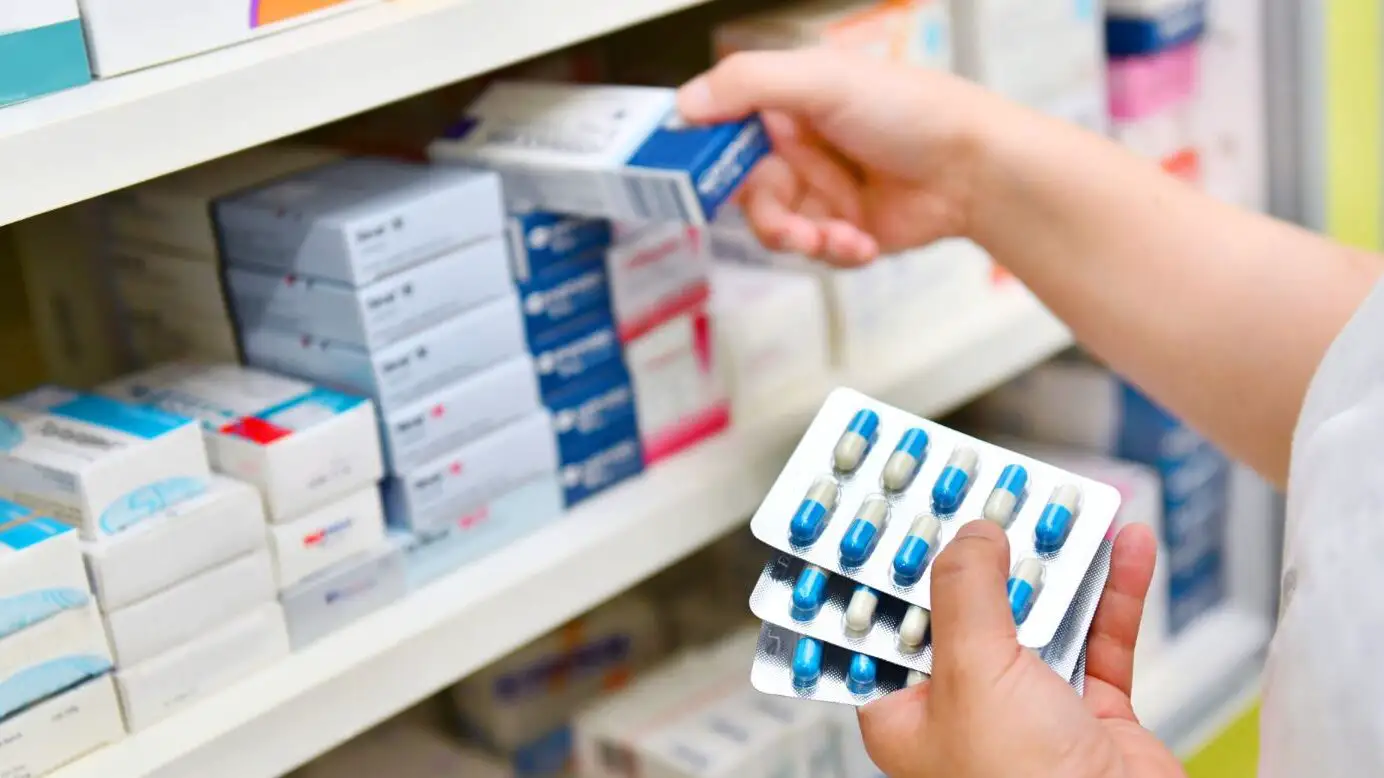
Proposed US tariffs on imported generic medicines could raise patient costs and prompt manufacturers to stop supplying some products, according to a warning from Sandoz Chief Executive Richard Saynor reported by Capital, citing CNBC. The policy would affect a market in which low prices and narrow producer margins support access to widely prescribed treatments.
Donald Trump announced in July that imported generic medicines could face a 100% tariff beginning in 2028, followed by an increase to 200% one year later. The measure was presented as an incentive for pharmaceutical companies to relocate production to the United States. Generics are not currently covered by the US administration’s Section 232 tariffs on pharmaceutical products, but a change would directly affect manufacturers producing outside the country for the US market.
Suppliers face a price-or-exit decision
Saynor said patients ultimately bear tariff costs. He argued that manufacturers cannot keep supplying medicines when sales generate losses, leaving companies with two practical choices: increase prices or remove individual products from the market. That risk is significant because generic and biosimilar medicines represent approximately 90% of prescriptions dispensed in the United States, although their lower prices mean they account for a much smaller share of total drug spending.
The pharmaceutical supply chain also depends heavily on international production. A substantial share of the active pharmaceutical ingredients used in generic medicines comes from outside the United States. Tariffs imposed at the border could therefore affect not only finished imported drugs but also the economics of a manufacturing system built around ingredients and production stages located across several countries.
Sandoz expands its biosimilar pipeline
Sandoz is one of the world’s largest manufacturers of medicines that have lost patent protection. The Swiss group generates about one-quarter of its revenue in North America, including the United States and Canada. It aims to more than double net sales by 2035 and reach a core profit margin above 30%, while expanding its portfolio in areas including oncology and immunology.
The company plans to offer more than 100 biosimilars by 2040, compared with 13 currently available. It also wants its portfolio to cover about 80% of the value of biological medicines losing patent protection from 2035, up from approximately 50% today. GLP-1 medicines for diabetes and weight loss represent another potential source of revenue. Sandoz received Brazilian approval this year for a generic version of semaglutide, the active ingredient used in Ozempic and Wegovy, and is awaiting approval in Canada. Exclusivity in the larger US and European markets will not expire until the beginning of the next decade. Sandoz, which was separated from Novartis in 2023, must pursue these growth plans while assessing whether future US trade policy will preserve the economics of supplying affordable medicines to its largest regional market.