Samsung Biologics agrees to buy PolyPeptide in record Korean pharma deal
Samsung Biologics has signed an agreement to acquire Swiss peptide CDMO PolyPeptide Group for about KRW 2.7 trillion, or CHF 1.46 billion. The transaction gives the Korean manufacturer six production sites, established peptide technology and access to growing demand from GLP-1 and other peptide drug programs.
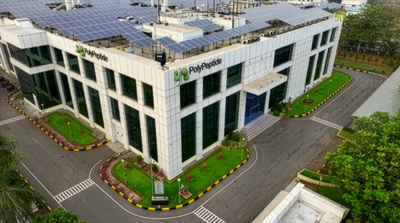
A record transaction for South Korean pharma
Samsung Biologics has signed an agreement to acquire Switzerland-based PolyPeptide Group, marking its entry into the global market for peptide drug contract development and manufacturing. Digital Post (PC Love) reported that the purchase price is about KRW 2.7 trillion, equivalent to CHF 1.46 billion, making it the largest merger and acquisition transaction in South Korea’s pharmaceutical and biotechnology industry.
The company plans to acquire the controlling shareholder’s stake and conduct a public tender offer, with the goal of securing 100% of PolyPeptide by December. Completion therefore remains subject to the planned acquisition process. Samsung Biologics expects to inherit PolyPeptide’s existing CDMO contracts, providing an established revenue base immediately after the transaction closes.
Six production sites and peptide expertise
PolyPeptide was spun out of global pharmaceutical company Ferring in 1996. The Swiss peptide CDMO has completed more than 1,000 peptide therapy development and manufacturing projects. Its operations include process-development capabilities and manufacturing technology designed to reduce environmental impact, according to Digital Post (PC Love).
The acquisition will give Samsung Biologics production facilities, proprietary expertise and an experienced workforce in a single transaction. PolyPeptide operates six manufacturing locations and research and development centers across five countries in Europe, the United States and India. It employs about 1,500 specialists. Samsung Biologics said it will consider expanding capacity by combining its experience in operating large production facilities with PolyPeptide’s peptide manufacturing technology.
GLP-1 growth broadens the CDMO portfolio
Peptide drugs have become a major growth segment because GLP-1 therapies are increasingly used to treat obesity and diabetes. These products mimic a hormone in the body that stimulates insulin secretion and creates a feeling of satiety. Pharmaceutical companies are also building peptide pipelines for oncology, immune disorders and brain diseases including Alzheimer’s, extending potential manufacturing demand beyond metabolic treatments.
For Samsung Biologics, the deal adds peptides to a portfolio that already covers antibody medicines, messenger RNA and antibody-drug conjugates. The company is entering the segment by acquiring operating plants, technical personnel and customer contracts rather than building a peptide business from the ground up. Global investment banks cited by Digital Post (PC Love) forecast that the obesity drug market could reach as much as $150 billion by 2035 as demand rises and approved indications expand. Samsung Biologics CEO John Rim said the acquisition would reinforce the company’s production capacity, business portfolio and global footprint while allowing it to offer customers a broader range of solutions. The commercial outcome will depend on successful completion of the purchase, retention of existing contracts and the company’s decisions on further capacity investment.