Sabah Retains Nearly 24% Share of Malaysia’s Crude Palm Oil Production
Sabah remained Malaysia’s second-largest crude palm oil producer, contributing almost 24% of national output in the previous year. The state is expanding replanting, technology and certification support as smallholders face ageing trees, high costs, labour shortages and climate risks.
Sabah anchors national palm oil supply
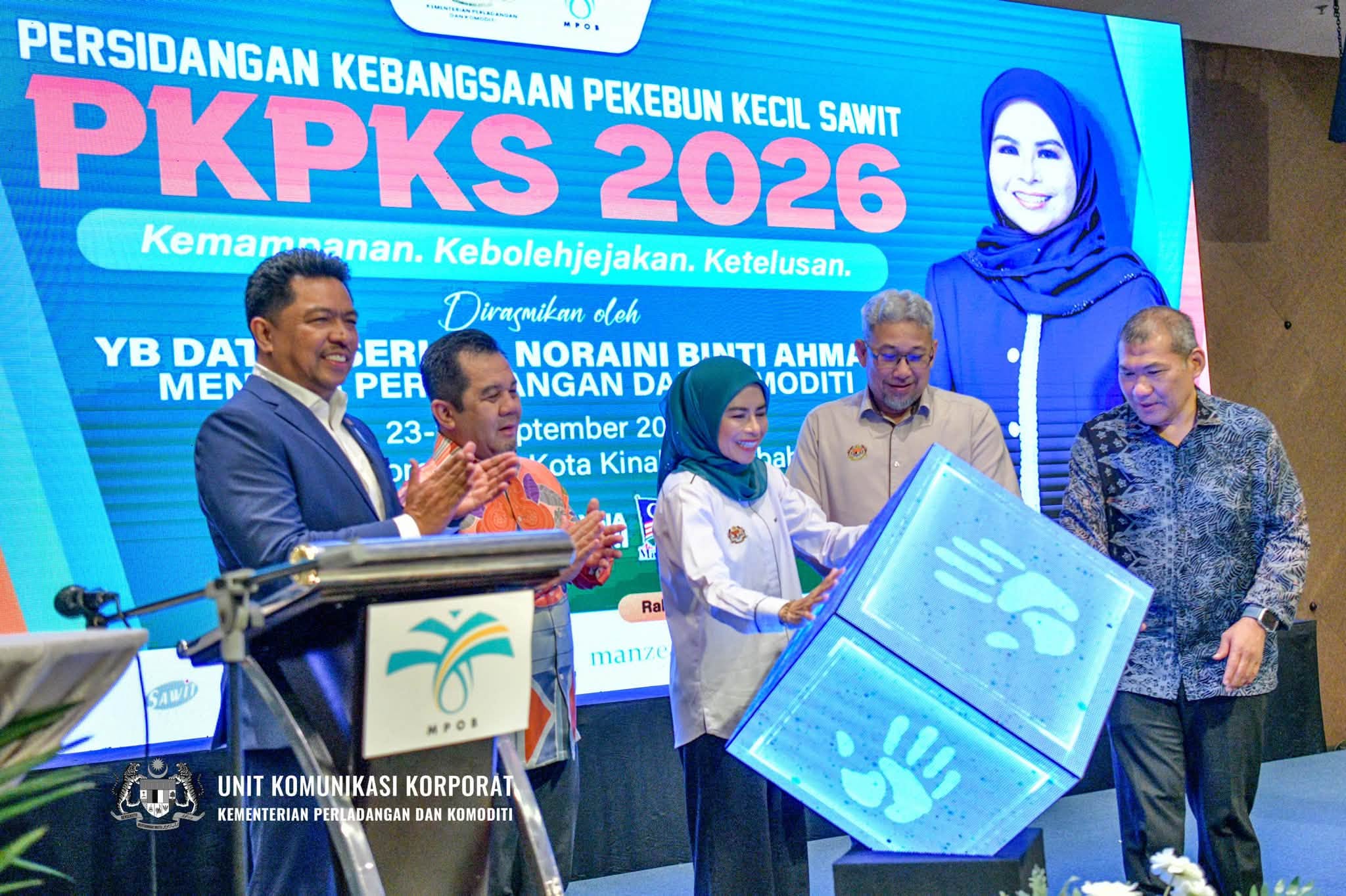
Sabah remained Malaysia’s second-largest producer of crude palm oil in the previous year, accounting for almost 24% of total national production, DagangNews reported, citing Plantation and Commodities Minister Datuk Seri Dr. Noraini Ahmad. The share places the state at the centre of Malaysia’s palm oil supply base and makes its plantation performance relevant to processors, traders and overseas buyers.
Noraini said Sabah’s position reflects its importance to the national palm oil industry and its role as a major source of income for thousands of smallholders. Any sustained change in the state’s yields or harvested area can therefore affect feedstock availability for mills and the volume Malaysia can direct to domestic processing and export markets.
Smallholders face ageing trees and rising costs
Independent and organised smallholders cultivate more than 15% of Malaysia’s total oil-palm area, according to the minister. Their contribution gives government support programmes a direct bearing on national productivity, particularly in Sabah, where the sector has a large local economic footprint.
The producers nevertheless face a combination of ageing oil-palm trees, high operating costs, labour shortages, climate change and increasingly complex market requirements. Older trees can constrain yields, while labour and operating expenses influence harvesting efficiency and the commercial viability of replanting. Market requirements also raise the importance of documentation and traceability throughout the supply chain.
Replanting and technology support
Noraini said the government is strengthening assistance for replanting, training, technology adoption, digitalisation and market access. These measures are being pursued through the National Agricommodity Policy 2021-2030, which seeks to improve sustainability, productivity and the value generated from palm oil.
For producers, replanting offers a route to renew ageing estates, although it also removes land from production while new trees mature. Technology and digital systems can support field management and compliance, while better market access may help certified smallholders participate in supply chains with stricter sourcing requirements.
Certification covers most independent smallholder land
Nearly 30,384 smallholders in Sabah have obtained Malaysian Sustainable Palm Oil certification, covering more than 188,000 hectares. According to Noraini, this represents 97.17% of the state’s total oil-palm area held by independent smallholders.
The figures indicate that certification already reaches most of the relevant independent smallholder acreage in Sabah. Maintaining that coverage, while improving yields and replacing ageing trees, will be important for protecting the state’s contribution to Malaysian supply. The biennial National Palm Oil Smallholders Conference 2026 in Kota Kinabalu, where Noraini presented the figures, also served as a platform for sharing technology and information on facilities offered by the ministry and the Malaysian Palm Oil Board.