Rwanda Moves to Register Kenya-Developed Bt Potato Resistant to Late Blight
Rwanda is moving to register a genetically modified potato developed and tested in Kenya for resistance to late blight. Registration could open a route to Rwandan farmers, subject to the country’s biosafety process.
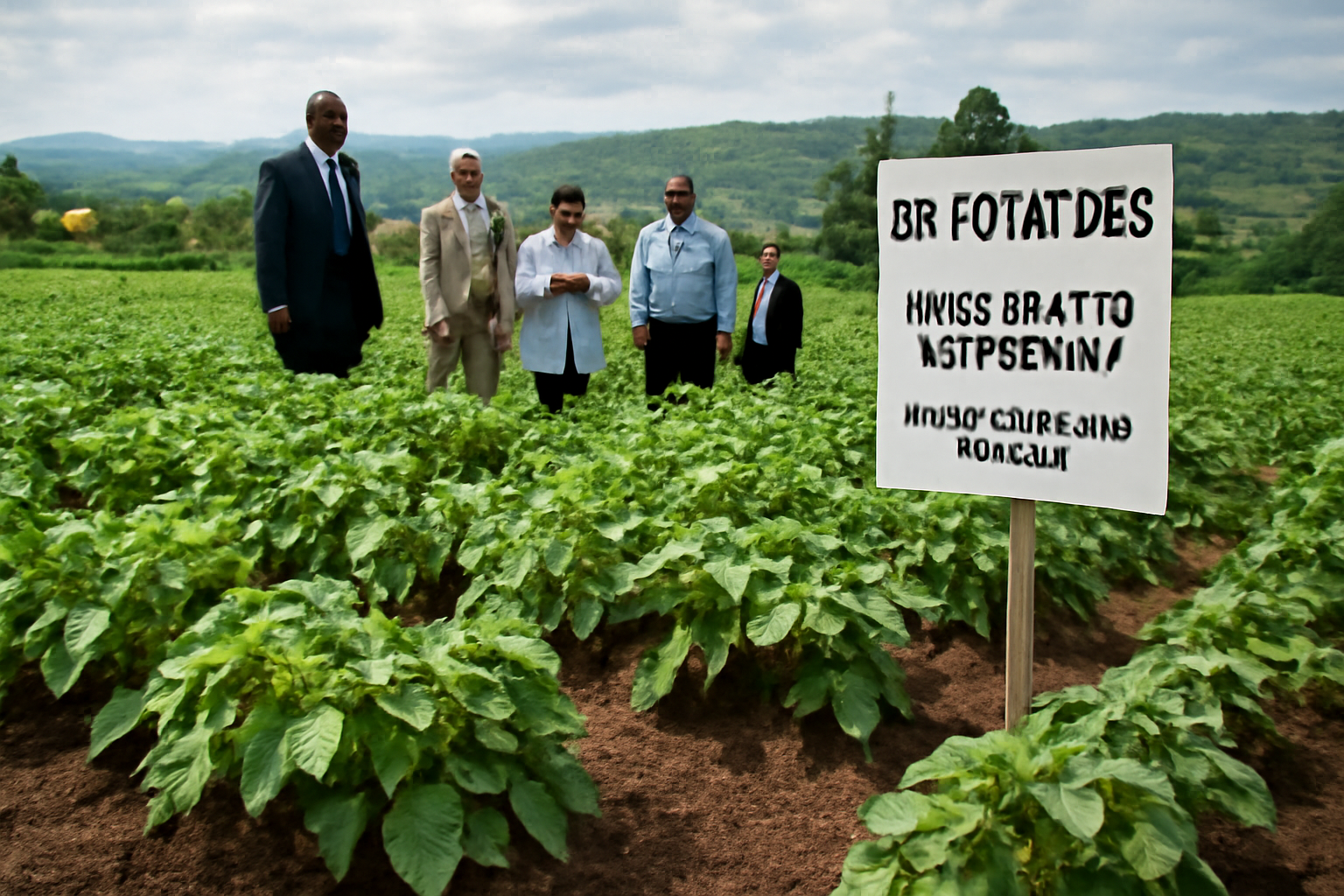
Rwanda begins registration process
Rwanda is moving to register a genetically modified potato variety developed in Kenya and tested for resistance to late blight, a destructive potato disease. The step could eventually make the variety available to Rwandan farmers, although its introduction remains subject to the country’s biosafety and registration procedures.
The available information describes the crop as a Bt potato and says Rwanda has used its biosafety framework in progressing the variety toward registration. No timetable for approval, commercial release or distribution has been disclosed. Details about planned seed volumes, participating institutions and the locations of any further trials have also not been provided.
Registration is a critical stage between testing a genetically modified crop and allowing farmers to cultivate it commercially. Regulators may examine biosafety information and the variety’s suitability for local production before deciding whether it can enter the national seed system. The current move therefore signals regulatory consideration, rather than immediate nationwide availability.
Late-blight resistance is the central trait
The variety was developed to resist late blight, which can damage potato crops and require farmers to rely on crop-protection measures. If the resistance performs effectively under Rwandan growing conditions, it could help protect marketable output and reduce some production losses associated with the disease.
Lower pesticide use is another possible effect, but the scale of any reduction cannot be established from the information available. Actual results would depend on local disease pressure, agronomic practices, access to quality seed and the performance of the resistance trait over successive growing cycles. Registration alone does not guarantee higher yields or lower input costs.
For producers, the commercial value of the potato will depend on more than regulatory approval. Seed multiplication capacity, distribution, farmer training and pricing will determine whether growers can obtain and use the variety. Processors and traders will also need consistent supplies and clarity about how genetically modified potatoes are handled within domestic markets.
Regional implications for seed supply
The Rwanda process could create a route for agricultural technology developed and tested in Kenya to enter another East African market. That would be relevant to seed producers and research organizations seeking to move improved planting material across national borders, where each country applies its own biosafety and variety-registration requirements.
Any regional seed trade will depend on Rwanda’s final regulatory decision and the arrangements established for multiplication and distribution. Until those steps are completed, the immediate significance is that a Kenyan-developed late-blight-resistant potato has entered Rwanda’s registration pathway. The case will be watched for what it indicates about the practical movement of genetically modified planting material within East Africa.