Rwanda closes eight alcohol manufacturers and recalls 38 spirit brands
Rwanda’s Food and Drugs Authority closed eight licensed alcohol manufacturers and recalled at least 38 branded spirits within two days. The intervention puts production controls and regulatory compliance at the center of scrutiny in the country’s beverage industry.
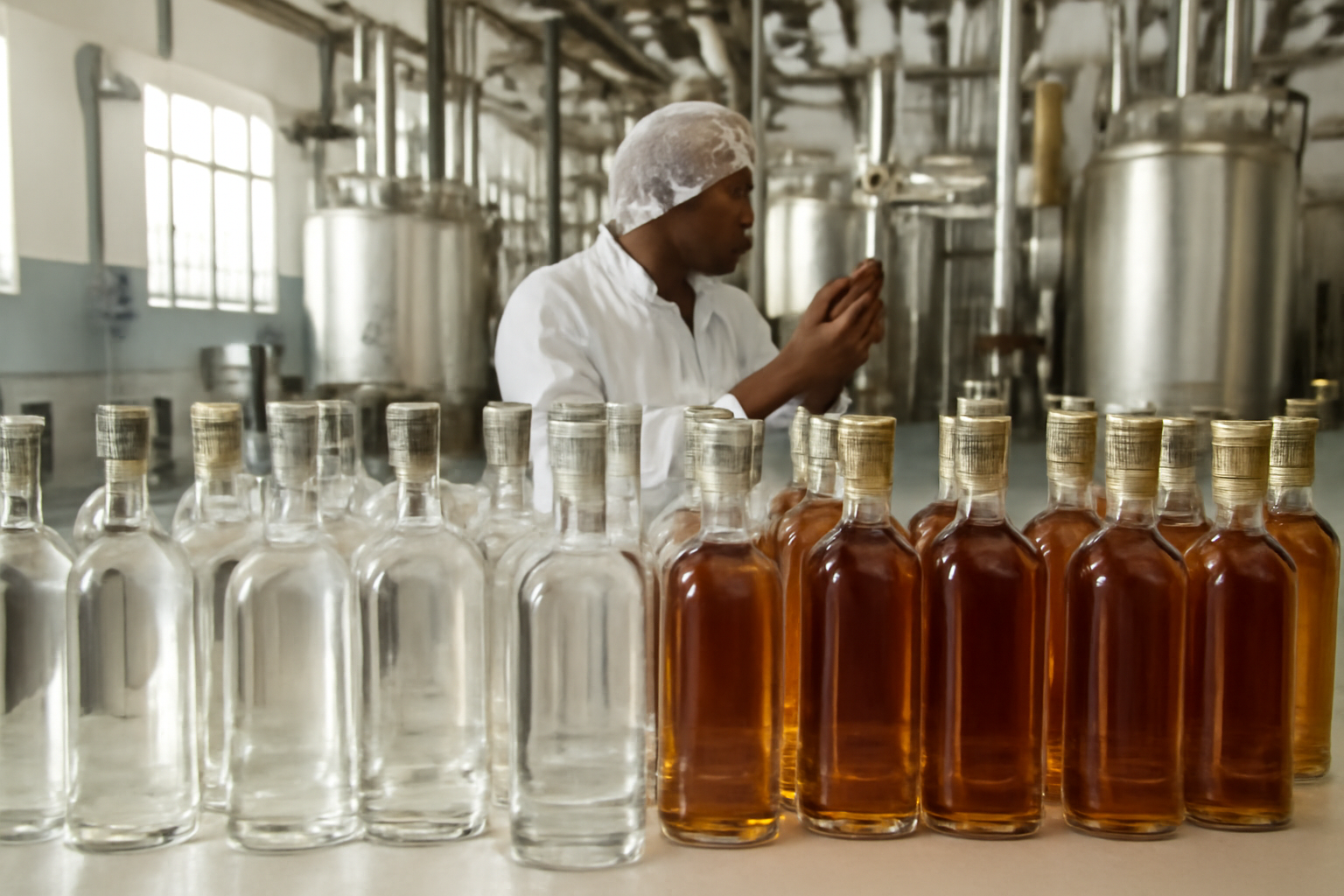
Regulator moves against licensed producers
Rwanda’s Food and Drugs Authority closed eight licensed alcohol manufacturers and recalled at least 38 branded spirits during a two-day enforcement action this month. The scale and speed of the intervention have turned attention to production controls in Rwanda’s alcoholic beverage industry and to the regulator’s ability to identify unsafe products before they reach consumers.
The available information does not identify the affected companies or brands. It also does not specify the production failures behind each closure. The central fact for beverage businesses is nevertheless clear: holding a manufacturing licence did not protect the eight producers from suspension when the authority intervened.
For manufacturers, the closures create an immediate interruption to production and sales. A recall covering at least 38 spirit brands also reaches beyond factory operations. Distributors, wholesalers and retailers must identify affected stock, remove it from circulation and manage the resulting commercial disruption. The lack of a published brand list in the available source material limits any assessment of the volumes, market shares or distribution channels involved.
Recall exposes a wider control problem
The crackdown highlights a basic weakness in beverage oversight: licensing is only the starting point for food-safety control. Effective enforcement also depends on inspections, product testing, traceability and the ability to recall goods quickly. When action against eight licensed manufacturers is required within 48 hours, producers and buyers have reason to examine whether compliance systems were functioning consistently before the intervention.
Spirits require tight control over raw materials, formulation, alcohol content, processing conditions, packaging and labelling. The source material does not say which of these areas prompted the Rwandan action, so attributing the closures to a particular technical defect would be premature. What the recall does establish is that the authority considered at least 38 branded products unsuitable to remain on the market.
Traceability will be especially important. A regulator and a manufacturer must be able to determine where recalled batches were produced, which distributors received them and whether retailers have removed them. Weak records can prolong a recall and leave compliant businesses uncertain about which products remain saleable.
Commercial consequences extend through the supply chain
The immediate burden falls on the eight manufacturers, but the effects extend to packaging suppliers, transport companies, distributors and shops. Producers that are not affected may gain shelf space, although the broader category could face lower consumer confidence if buyers cannot easily distinguish compliant brands from recalled ones.
Importers and exporters also need clarity if any of the 38 brands crossed Rwanda’s borders. The available information does not confirm international shipments, affected volumes or destination markets. Until the authority or producers publish those details, overseas buyers cannot determine whether the recall has a regional trade dimension.
The next important disclosures will be the names of the manufacturers and brands, the safety findings behind the action and the conditions required for factories to reopen. Those details will show whether the crackdown concerns isolated production failures or weaknesses shared across several operators. They will also determine whether the enforcement action produces a temporary shortage or a longer adjustment in Rwanda’s spirits market.