Russian Thermal Coal Export Prices Reach Highest Level Since Spring 2023
Russian thermal coal prices at export ports have risen as Black Sea supply disruptions and uncertainty over Indonesian exports affect the market. Neftegaz.ru reported that Baltic quotations reached their highest level since spring 2023.
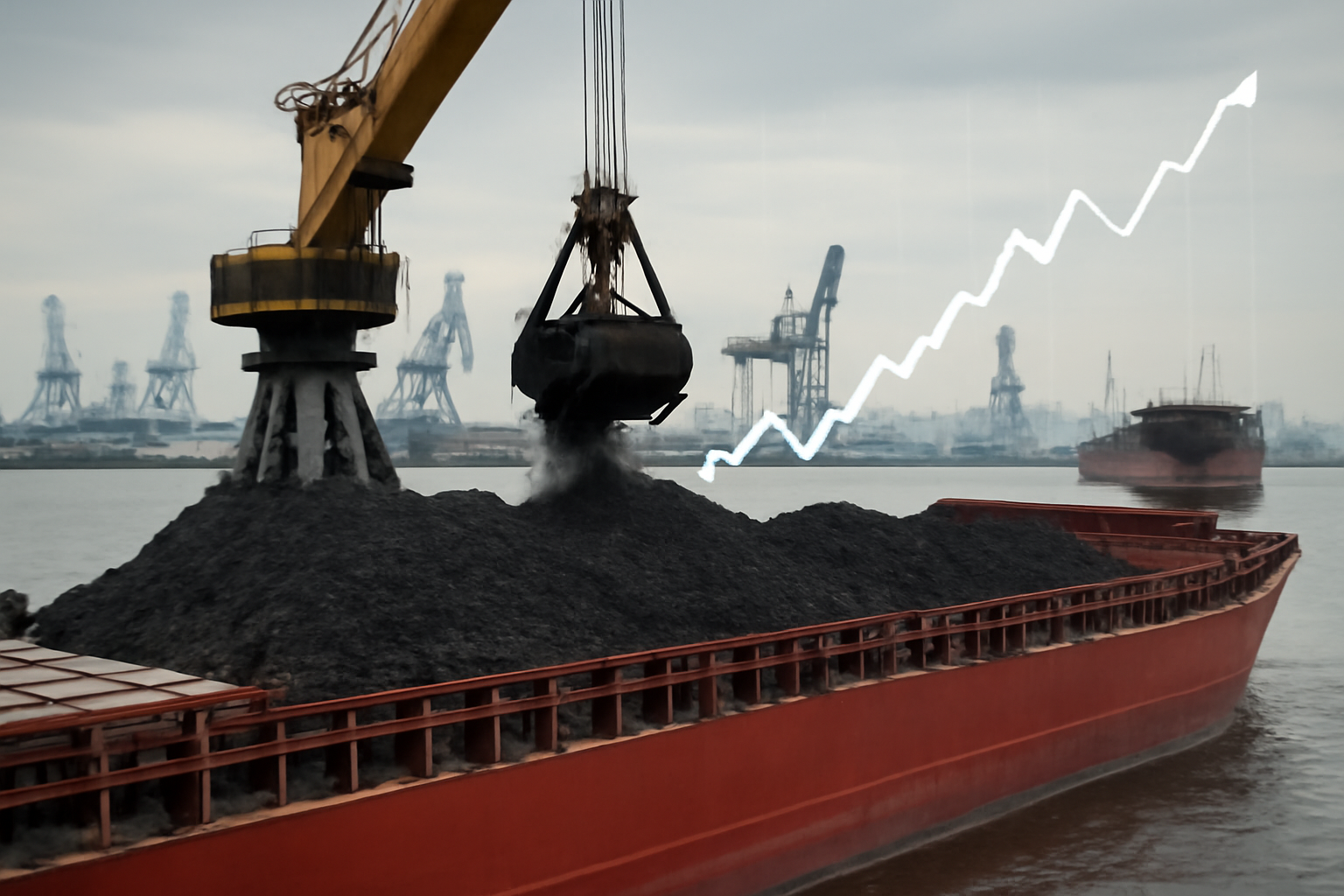
Baltic coal quotations reach a three-year high
Russian thermal coal quotations at export ports have climbed to their highest level since spring 2023, according to Neftegaz.ru. The advance was particularly visible at Baltic ports, where prices reached a level not recorded for roughly three years.
The report did not provide an exact price, identify individual ports or specify coal grades. It nevertheless points to a stronger market for Russian export material at a time when disruption and uncertainty are affecting competing supply routes. Port quotations are an important indicator for miners, traders and buyers because they incorporate both the value of the coal and the cost and availability of moving it into international markets.
Black Sea disruption tightens regional availability
Neftegaz.ru linked the price increase partly to interruptions in supplies through the Black Sea. Disruption in that corridor can reduce the volume of coal readily available to nearby buyers and complicate scheduling for exporters, shipowners and trading companies. Even when production remains available, uncertainty around loading and transportation can support quotations at ports that retain more dependable access to customers.
The rise in Baltic prices suggests that market participants are reassessing the value of alternative Russian outlets. When one shipping corridor becomes less reliable, buyers may seek cargoes through another route, while sellers can redirect volumes where logistics permit. The report does not quantify any shift in tonnage between the Black Sea and Baltic ports, so the scale of changing flows cannot yet be established.
Indonesia adds uncertainty to the global supply picture
Uncertainty surrounding exports from Indonesia was the second factor identified by Neftegaz.ru. Indonesia is therefore relevant to the pricing of Russian coal even though the two origins serve different routes and customer groups. When buyers are unsure about the availability of Indonesian cargoes, competing thermal coal supplies can gain support as utilities and traders look for alternative material.
The simultaneous pressure from Black Sea disruptions and questions over Indonesian exports creates a market in which logistical reliability carries a higher value. Russian suppliers using Baltic ports may benefit from firmer quotations, but the price signal alone does not establish whether their realized margins have increased. Freight costs, handling expenses, coal quality and the terms of individual contracts also affect exporter returns, and those details were not included in the report.
Trade flows depend on the duration of disruption
For producers, the immediate question is whether the higher Baltic quotation will persist long enough to influence production and routing decisions. Traders must assess whether the move reflects a temporary logistics premium or a broader tightening of internationally available thermal coal. Importers, meanwhile, face the risk that uncertainty across more than one supply origin reduces their negotiating leverage.
The next direction of the market will depend on whether Black Sea shipments normalize and whether uncertainty over Indonesian exports is resolved. A recovery in either source of supply could ease pressure on competing port quotations. If both issues continue, Baltic Russian coal could retain additional support as buyers prioritize cargo availability and predictable delivery.