Russian rice exports more than double to 24,000 tonnes in first half of 2026
Russia exported about 24,000 tonnes of rice worth approximately $17 million in January–June 2026. Shipments rose 2.3-fold by volume and 1.9-fold by value, led by demand from Belarus, Turkey and Kazakhstan.
Shipments rise faster than export revenue
Russia exported about 24,000 tonnes of rice worth approximately $17 million in January–June 2026, according to estimates from the federal Agroexport center reported by News.ru. Compared with the same period of 2025, shipments increased 2.3-fold by volume and 1.9-fold by value.
The figures do not include Russia’s June trade with countries of the Eurasian Economic Union. The preliminary nature of that coverage means the final first-half total could change once those flows are included. Even on the available data, however, the increase marks a notable expansion for Russia, which remains a relatively small participant in the international rice market.
Export volume grew more quickly than revenue. Based on the reported rates of change, the average value per exported tonne was therefore lower than in the comparable period of 2025. The available source material does not specify whether that difference reflected product mix, destination mix, contract prices or other factors.
Belarus and Turkey dominate purchases
Belarus was the largest buyer of Russian rice by value, purchasing more than $5.6 million. Turkey followed with more than $5.2 million, while Kazakhstan imported about $1.4 million. Together, the three markets accounted for more than $12.2 million of the approximately $17 million in reported export revenue.
The destination profile combines two neighboring Eurasian Economic Union markets with Turkey, a major regional food-trading hub. Belarus and Kazakhstan offer Russian suppliers relatively close outlets, while Turkey provides access to a larger and more commercially diversified market. The figures supplied by Agroexport rank destinations by purchase value rather than physical volume.
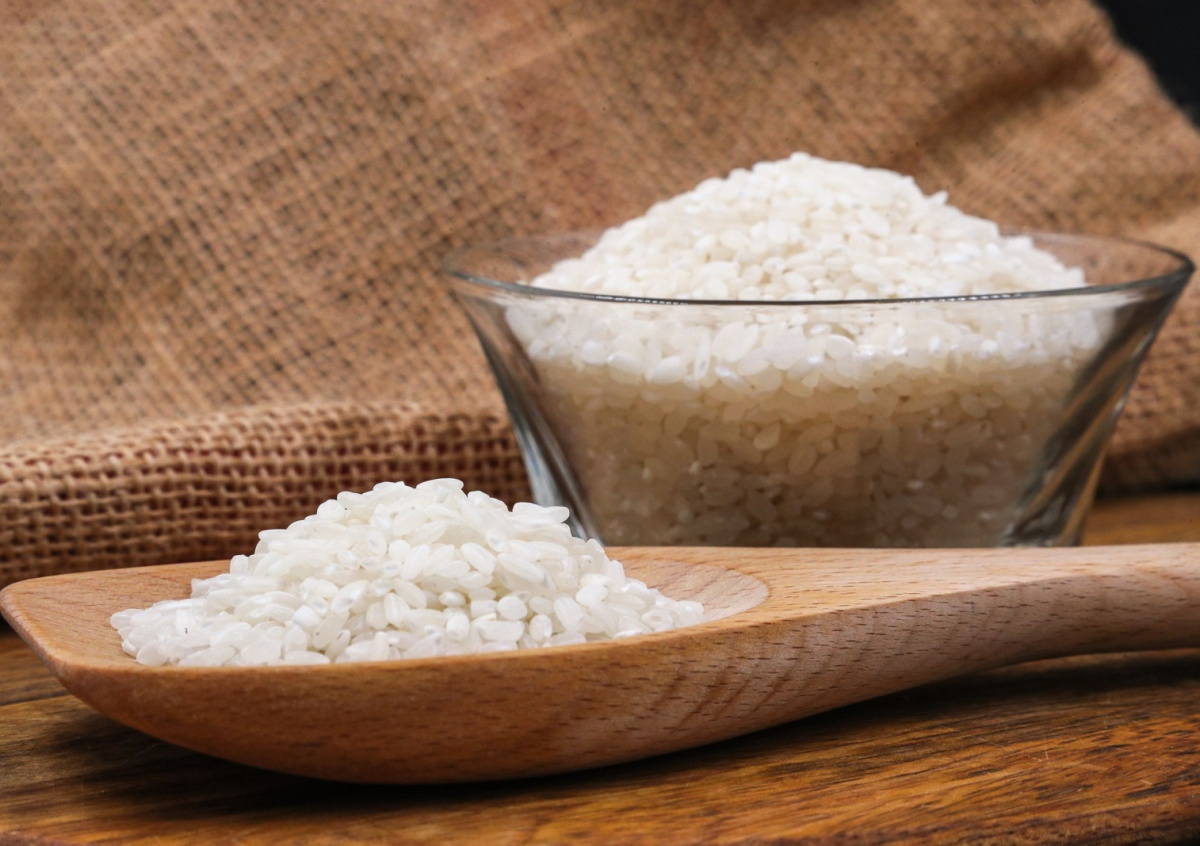
Milled rice generated 86% of export revenue, making processed product the clear foundation of Russia’s rice sales abroad. Husked rice accounted for 9%, while broken rice represented 3%. The disclosed shares cover 98% of revenue; the source material does not identify the remaining portion.
Paddy rice exports remain limited
Russia exported about 500 tonnes of paddy rice during the first six months of 2026, again excluding June data for Eurasian Economic Union countries. That volume was small relative to total rice exports and confirms that processed rice, rather than unprocessed grain, drove the first-half performance.
Zol.ru reported that Russia was removing export restrictions on paddy rice from July 21. The product had previously been subject to a 200,000-tonne export quota. News.ru likewise linked the first-half figure to the cancellation of that quota. The reported 500 tonnes shipped before the change represented only a fraction of the former quota, so the immediate effect of liberalization will depend on available supply, buyer demand and the economics of exporting raw grain instead of selling it to domestic processors.
For producers and traders, the first-half results show stronger foreign demand but also a revenue increase that lagged behind volume growth. Processors retain the central position because milled rice produced the overwhelming majority of export earnings. Future data, including complete Eurasian Economic Union trade and shipments after the removal of paddy rice restrictions, will indicate whether the acceleration can be sustained and whether the product mix begins to shift.