Russian retail sugar prices rise 17.8% after two years of decline
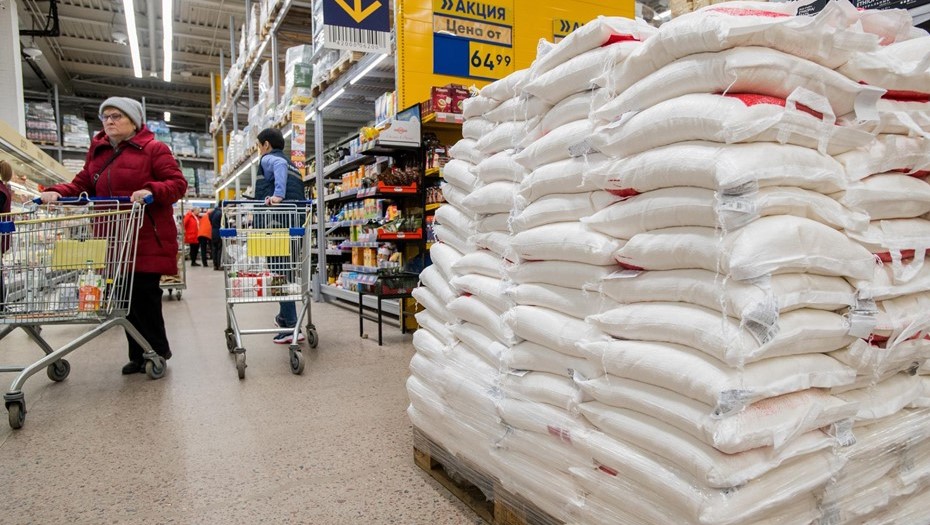
Russian retail sugar prices increased by 17.8% after declining for two consecutive years, according to Rosstat data cited by dp.ru. The reversal raises purchasing costs for households and food manufacturers, although the available data do not establish whether the increase originated in production, distribution or retail.
Retail market reverses direction
Russian retail sugar prices have risen by 17.8% after two consecutive years of decline, according to Rosstat data reported by dp.ru. The publication said the change marked a reversal of the previous downward trend in one of the country’s basic food categories. Rosstat’s observation covered the retail price of one kilogram of sugar as of 24 August.
The reported increase is significant because it follows an extended period in which sugar became progressively cheaper. A two-year decline can shape expectations across the supply chain: consumers become accustomed to stable or falling shelf prices, while processors and retailers plan purchasing and promotions around that environment. A rise of 17.8% changes those assumptions even without evidence that the market is facing a physical shortage.
The information available does not specify the absolute retail price on 24 August, the starting date used to calculate the 17.8% increase or whether the figure represents a national average. It also does not provide regional price differences. Those details are important in Russia, where transport distances and local retail conditions can produce different outcomes between producing regions and major consumption centres.
Supply and cost drivers remain unclear
The source material does not identify a single reason for the price increase. It contains no figures for sugar beet output, refined sugar production, factory utilisation, inventories, wholesale quotations or imports. It therefore cannot establish whether the retail move reflects tighter agricultural supply, higher processing and logistics costs, changes in wholesale prices or decisions made by retailers.
For producers and processors, the reversal may improve revenue per unit if higher retail prices pass back through the chain. That effect is not automatic. The benefit depends on contracts, wholesale pricing and the share retained by distributors and retailers. Without corresponding data, the 17.8% increase should not be interpreted as an equivalent improvement in beet growers’ or sugar factories’ margins.
The distinction also matters for traders. A retail price increase can lag behind earlier changes in wholesale costs, or it can appear while upstream prices remain comparatively stable. Market participants will need production, stock and wholesale data to determine whether the movement signals a broader tightening of the Russian sugar balance or a retail-level adjustment after two years of falling prices.
Food manufacturers face a new cost signal
Sugar is a direct input for confectionery, bakery products, soft drinks, preserves and other processed foods. A sustained increase can therefore raise ingredient costs for manufacturers, particularly in products where sugar accounts for a meaningful share of the formulation. Companies may respond through purchasing contracts, smaller margins or higher prices for finished goods, but the source material provides no evidence that such changes have already occurred.
Households face the most immediate effect because the reported figure concerns retail prices. The impact on individual budgets will depend on consumption volumes and whether the increase is consistent across regions and store formats. After two years of decline, consumers may also become more sensitive to further price changes in a staple product.
The next indicators to watch are the duration and geographic breadth of the increase, together with beet harvesting, factory output, stocks and wholesale prices. Import and export data would also show whether foreign trade is helping balance domestic supply. For now, the verified development is limited but clear: Rosstat recorded a 17.8% rise in Russian retail sugar prices, reversing a two-year decline.