Russian rail halt disrupts Kazakh coal shipments to Poland before heating season
A temporary freight ban at the Krasnoye rail crossing has interrupted a key route for Kazakh thermal coal entering Poland through Belarus. The restriction coincides with heating-season stockbuilding in a Polish household market that consumes 5–6 million tonnes of coal annually.
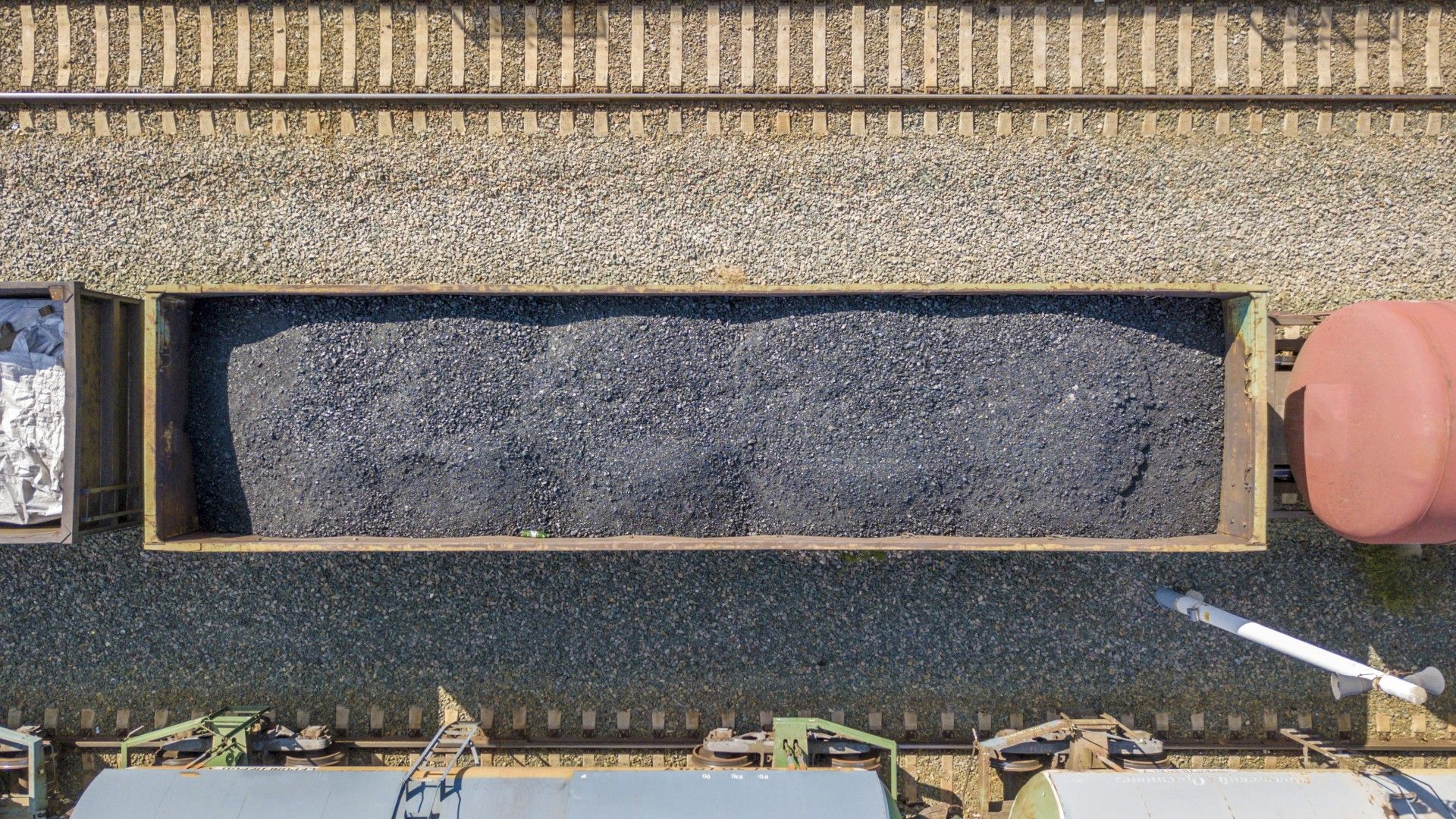
Freight suspended at the Krasnoye crossing
A Russian-backed suspension of freight traffic through the Krasnoye rail crossing has disrupted a major overland route for Kazakh thermal coal bound for Poland. The restriction runs from 8 to 17 October 2026, coinciding with the period when Polish fuel depots normally build stocks for the heating season.
Energetyka24 reported that the Directorate of the Council for Rail Transport of the Commonwealth of Independent States circulated telegram No. ДЗ-2393 on 3 October at the request of Russian Railways. The order stops acceptance of all loaded consignments and empty wagons dispatched from stations on eight railway networks through Krasnoye for destinations on the Belarusian Railways network. The reason was not disclosed.
The Polish Chamber of Coal Sellers, known as PIGSW, said the order was signed by S. Solozhenkin, deputy chairman of the Moscow-based council. A conventional rail ban is generally imposed on the 1,520 mm-gauge network when receiving infrastructure cannot handle the incoming flow. Origin stations then stop accepting affected cargo, while trains already moving can be held at intermediate stations until the restriction ends.
Kazakh coal caught in the Belarusian corridor
The formal order concerns shipments addressed to Belarusian stations, but the same crossing and tracks carry transit cargo destined for Poland. Some Kazakh coal reaches Belarusian terminals at Brest, Bruzgi and Svislach before being reloaded and sent to Polish depots. PIGSW said this category is directly covered by the ban.
Kazakhstan is Poland’s largest single source of imported thermal coal. According to Energetyka24, Poland received almost 1.9 million tonnes from Kazakhstan in the first half of 2026, while total coal imports exceeded 3 million tonnes. Farmer.pl said most Kazakh supply travels overland through the affected crossing.
The restriction also comes as alternative routes face pressure. PIGSW said coal transshipment through Russian Black Sea ports had practically stopped following attacks in July, while Russian Railways has given agricultural cargo priority over coal since September. Russia had also closed seven rail border crossings with Finland, Estonia and Latvia from 1 July, increasing the importance of the Belarusian corridor for east-to-EU freight.
Household fuel availability under pressure
Poland’s household and municipal heating market consumes 5–6 million tonnes of coal a year. Domestic availability of the coarse grades commonly used for heating is significantly below demand, leaving distributors and consumers dependent on imports. Farmer.pl also reported that coal stocks at Polish mines were more than 40% lower than a year earlier.
The timing raises the immediate risk of delivery delays rather than proving a lasting physical shortage. PIGSW noted that cargo already in transit may remain at intermediate stations during the ban. Even if traffic resumes on 18 October, accumulated wagons, reloading schedules and onward deliveries could take longer to normalize. Any extension would further reduce the availability of particular coal grades to final customers during the seasonal purchasing period.
The sources differ on the amount of notice available. Energetyka24 said the decision was issued five days before it took effect, limiting the ability of Polish importers and depots to respond. Farmer.pl characterized it as having arrived without advance warning to European counterparties. Both publications said Moscow gave no reason for the restriction.
The episode highlights the exposure created by routing Kazakh coal through Russian and Belarusian rail infrastructure. Polish buyers have no control over administrative decisions on those networks, while reduced capacity on Black Sea and Baltic alternatives narrows the options for replacing delayed cargo. The immediate commercial impact will depend on whether the ban ends as scheduled and how quickly traffic through Krasnoye clears afterward.