Russian new-vehicle sales rise 7.2% to 940,400 in January-August
Russia sold 940,400 new vehicles in January-August 2026, according to a Ministry of Industry and Trade report cited by Izvestia. The total was 7.2% higher than in the same period of 2025.
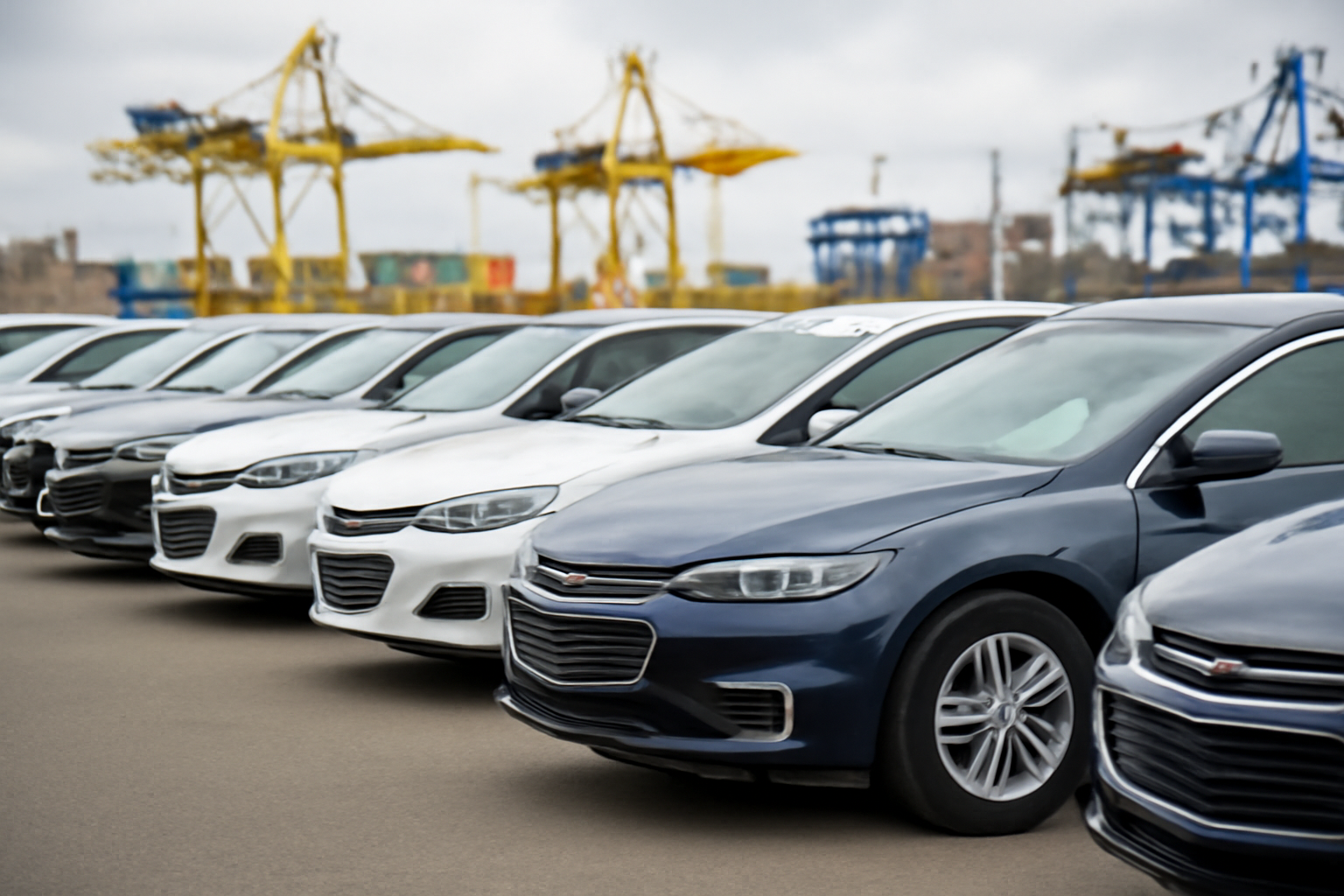
Sales reach 940,400 vehicles
Sales of new vehicles in Russia increased during the first eight months of 2026, providing a positive year-on-year signal for the country’s automotive market. A report from the Russian Ministry of Industry and Trade said 940,400 vehicles were sold between January and August. That was 7.2% more than in the corresponding period of 2025, according to Izvestia.
The official measure covers vehicles classified as new and up to three years old. That definition is important when interpreting the result because the reported total is broader than a measure limited exclusively to vehicles manufactured in 2026. The available figures do not provide a breakdown by passenger cars, commercial vehicles, brands, fuel type or country of manufacture.
Demand expands from the 2025 comparison base
The 7.2% increase indicates that aggregate demand was stronger than a year earlier across the category measured by the ministry. For manufacturers and dealers, the expansion means that more vehicles moved through the Russian market during the reporting period. It does not, on its own, show whether growth was evenly distributed among suppliers or concentrated in particular brands and vehicle segments.
The total also offers suppliers a clearer view of market scale. A volume of 940,400 vehicles over eight months gives automakers, distributors and component companies a reference point for production planning, inventory management and dealer support. However, the headline result does not disclose monthly sales, so it cannot establish whether demand accelerated toward August or whether growth was concentrated earlier in the year.
For investors and market analysts, the comparison with January-August 2025 is more useful as an indicator of direction than as a complete assessment of market conditions. The ministry’s figures confirm year-on-year expansion, but the source material contains no information on transaction prices, discounts, financing conditions or dealer inventories. Those factors would be needed to determine whether higher unit sales also produced stronger revenue and margins.
Supplier positioning remains central
The expanding sales base creates opportunities for companies able to maintain vehicle availability and after-sales support. Suppliers can use the official total to assess the addressable market, but competitive positioning will depend on the composition of demand. Without brand-level data, the 7.2% increase cannot be assigned to domestic producers, foreign manufacturers or individual distribution channels.
The same limitation applies to trade analysis. The total includes vehicles sold in Russia but does not specify how many were locally produced or imported, nor does it identify the origin of vehicles or components. The figures therefore establish the size and growth of sales, while leaving the contribution of domestic manufacturing and cross-border supply unresolved.
For the remainder of 2026, the January-August result establishes a higher cumulative base for the sector. Producers, importers and dealers will need subsequent monthly and segment data to judge whether the increase is sustainable and which suppliers are capturing it. For now, the official count shows a market selling more units than in the same eight months of 2025, with 940,400 vehicles changing hands under the ministry’s definition.