Russian new truck sales fall 16% in first half of 2026 as domestic brands gain share
Russian sales of new trucks declined 16% year on year in the first six months of 2026, according to ROAD data reported by RZD-Partner. Domestic manufacturers increased their share from 48% within a contracting market, although the available report did not disclose the new percentage.
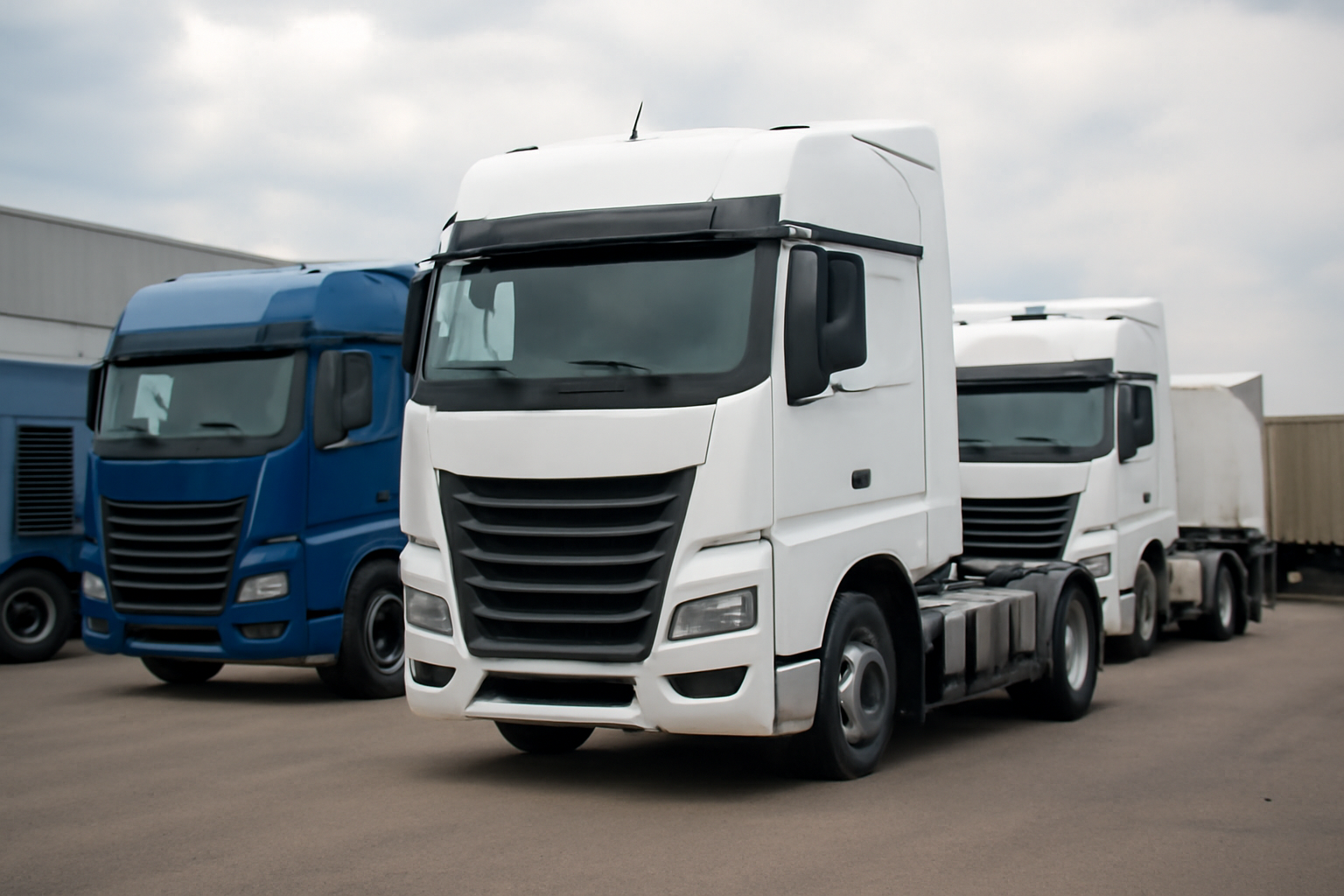
Truck demand contracts in the first half
Sales of new trucks in Russia fell 16% year on year in the first six months of 2026, according to data from the Russian Automobile Dealers Association, known as ROAD, reported by RZD-Partner. The comparison is with the same six-month period of 2025. The available source material does not provide the number of vehicles sold, a breakdown by truck class or monthly results.
The decline points to weaker demand across the new-vehicle market, but the reported percentage alone does not identify the cause. Truck purchases can reflect decisions by freight operators, construction companies, industrial groups and other commercial fleets. Without volume, price, financing or fleet data in the source, it is not possible to determine how much each customer segment contributed to the contraction.
Domestic brands expand their position
Russian truck manufacturers increased their share of sales from 48%, RZD-Partner reported. The source excerpt confirms the direction of the change but does not state the resulting market share. It therefore shows that domestic brands strengthened their relative position, not whether their unit sales increased.
That distinction matters in a falling market. A manufacturer can gain share while selling fewer vehicles if competing suppliers decline more quickly. Conversely, domestic unit sales could have risen if the share increase was large enough to offset the overall 16% contraction. The disclosed figures do not allow either outcome to be confirmed.
The shift nevertheless changes the competitive balance inside Russia’s new-truck market. Domestic producers now account for a larger portion of purchases than they did in the first half of 2025. Dealers and fleet buyers will watch whether that gain is sustained when later monthly and full-year statistics become available.
Implications for manufacturers and fleets
For truckmakers, a smaller market raises the importance of production planning, dealer inventories and the mix of vehicles offered. Domestic brands have gained relative ground, but the absence of unit figures means the scale of that advantage remains unclear. Suppliers of components and commercial-vehicle services also need absolute sales data before translating the market-share movement into demand forecasts.
For fleet operators, the changing brand mix can affect vehicle availability, maintenance networks, spare-parts requirements and resale planning. The ROAD figures establish a clear direction for the market but do not provide evidence on prices, delivery times or total cost of ownership. Those factors will determine whether the first-half shift persists beyond the reporting period.
More detail needed to assess the downturn
The next useful indicators will be absolute registrations or sales, monthly performance and separate results for domestic and other brands. Comparisons by heavy, medium and light truck categories would also show whether the decline is broad or concentrated in particular vehicle classes.
For now, the industry faces two simultaneous developments: overall new-truck sales are 16% below the year-earlier level, while Russian manufacturers have increased their share from the previous 48%. The first signals a contracting market; the second shows a redistribution of that market toward domestic suppliers. The commercial significance of the shift will depend on the undisclosed unit volumes and the final size of the domestic share.