Russian-Made Medicines Gain Market Share as Quality Controls Expand
The share of domestically produced medicines in Russia has increased, although officials disclosed no percentage or product-level data. The government linked supply resilience to nationwide laboratory oversight, mandatory serialization and tighter controls on online pharmacies.
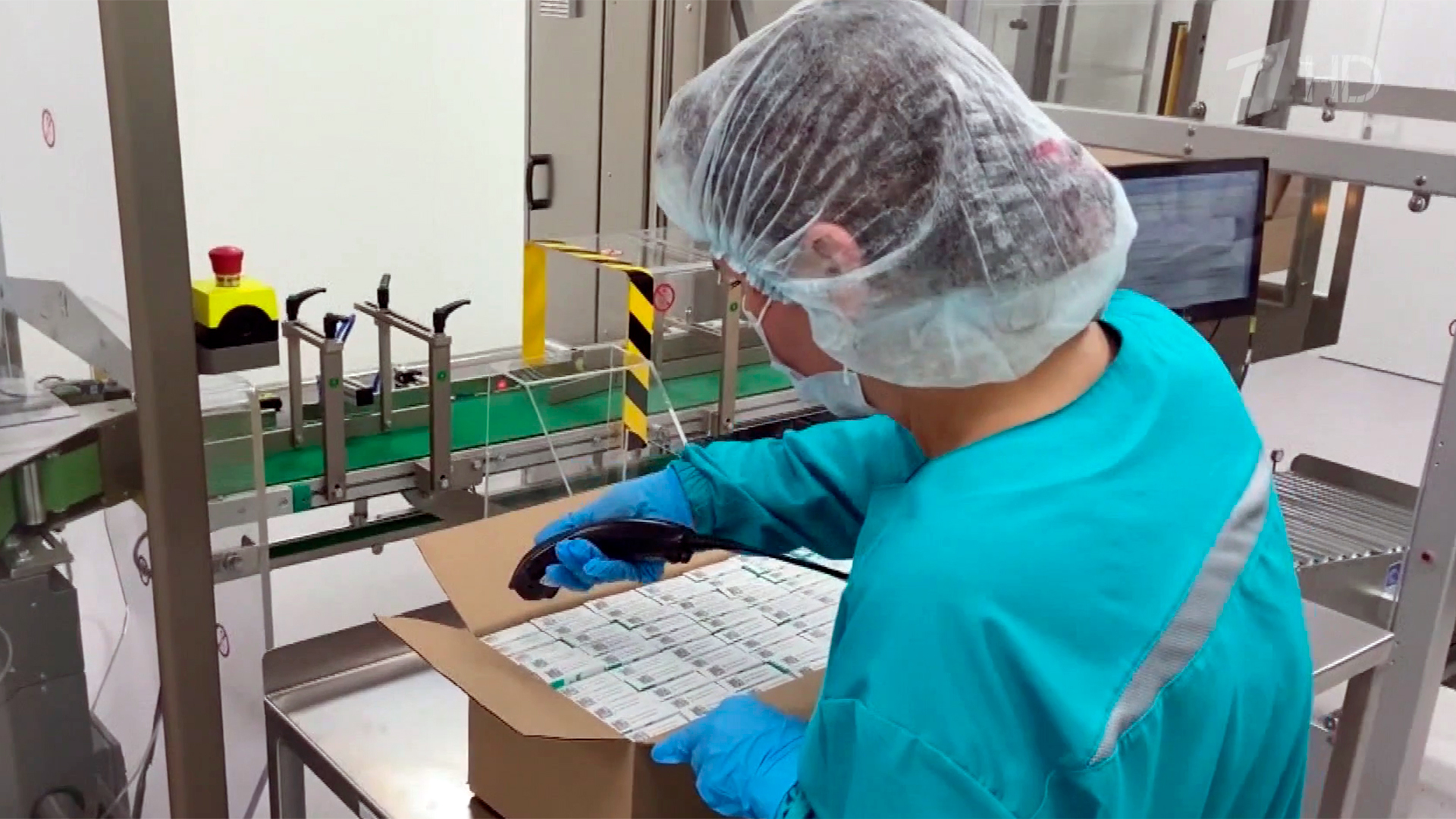
Domestic medicines increase their market presence
The share of Russian-made medicines in the domestic market has increased, Prime Minister Mikhail Mishustin said during a meeting with Alla Samoilova, head of the Federal Service for Surveillance in Healthcare, or Roszdravnadzor. The government described the result as positive but did not disclose the current market share, its previous level or a breakdown by therapeutic category.
The absence of detailed figures limits an assessment of how far import substitution has progressed. An increase measured by sales value could differ substantially from a rise in physical volumes, particularly if locally produced and imported medicines occupy different price segments. The available statements also do not indicate whether the growth came from finished medicines manufactured in Russia, localized production by foreign groups or products relying on imported active pharmaceutical ingredients.
Mishustin said domestic medicines must reach patients on time, including people living in remote areas. That places distribution alongside manufacturing capacity as a central part of supply resilience: higher local output cannot improve access if regional hospitals and pharmacies experience delays or shortages.
Laboratories and serialization underpin oversight
Roszdravnadzor monitors the quality, safety and availability of medicines and medical devices, as well as compliance with healthcare standards. According to Channel One Russia, the agency operates laboratories in every federal district and tests products supplied to hospitals, sold through pharmacies and offered online.
Russia has operated a medicine serialization system since 2020. The government information portal said the system had helped reduce the presence of substandard and counterfeit medicines severalfold. Consumers can use the Chestny Znak application to check a medicine and trace its movement from the producer to the point of sale.
Samoilova said the number of substandard medicines on the market had fallen severalfold over six years. During the same period, regulators blocked more than 130,000 online resources involved in improper medicine sales. The figures point to growing enforcement in digital distribution, which has become more important as patients increasingly purchase medicines remotely.
Access remains the next test
Roszdravnadzor also maintains a register of compliant manufacturers and their products. For producers and pharmacy operators, the combination of laboratory testing, serialization and online monitoring raises documentation and traceability requirements, while potentially strengthening confidence in legitimate domestic supplies.
A pilot program for medicine sales through mobile pharmacy units began on September 1 in sparsely populated and remote rural territories. Its impact will depend on product availability, replenishment schedules and regulatory compliance at the mobile outlets. Without disclosed market-share, production and import data, the reported expansion of Russian medicines should be treated as a directional indicator rather than a complete measure of pharmaceutical self-sufficiency.