Russian LPG exports rise 16% to 2.16 million tonnes in first half of 2026
Russian exports of liquefied petroleum gas increased by 16% year on year to 2.16 million tonnes in January-June 2026. Higher shipments to China and Central Asia drove the growth, according to Petromarket data reported by Vedomosti.
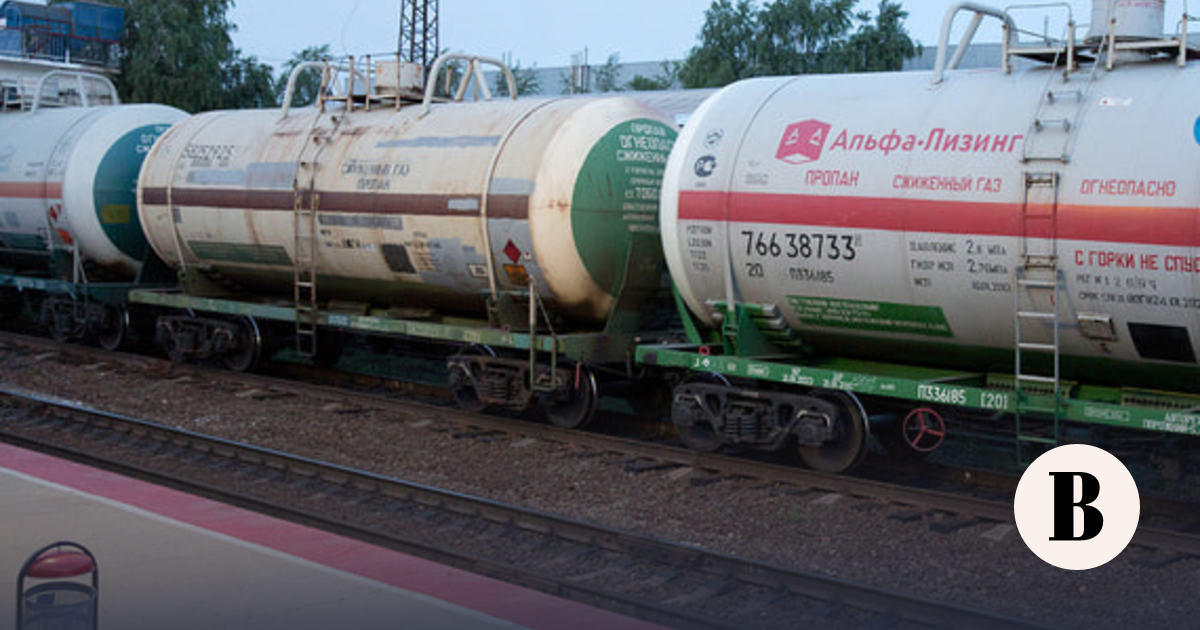
Exports reach 2.16 million tonnes
Russia exported 2.16 million tonnes of liquefied petroleum gas in January-June 2026, an increase of 16% from the first half of the previous year, according to data from the Petromarket research group reviewed by Vedomosti. The category includes propane, butane, isobutane and other liquefied hydrocarbon gases.
The increase shows that Russian LPG suppliers expanded sales despite the logistical and commercial constraints surrounding the country’s energy trade. The available data do not provide a breakdown by individual product, producer or transport route. They do, however, identify China and Central Asia as the destinations responsible for the overall rise.
China becomes the main growth destination
Russian LPG exports to China increased 2.3-fold year on year to 810,900 tonnes in the first six months of 2026. That volume made China the largest destination identified in the Petromarket figures and placed the country at the centre of Russia’s LPG export expansion.
The sharp increase matters to producers and traders because it concentrates a substantial part of Russia’s export growth in one market. Greater Chinese demand or improved access to Chinese buyers can support plant utilisation and provide an outlet for propane, butane and related products. At the same time, heavier dependence on a major destination makes exporters more exposed to changes in Chinese purchasing, domestic demand and logistics. The source data do not specify whether the additional cargo moved by rail, road or another channel, or which Russian regions supplied it.
Central Asian shipments nearly double
Deliveries to Central Asian countries, excluding Afghanistan, rose 1.9-fold to 497,800 tonnes. This expansion confirms that neighbouring regional markets were another major source of incremental demand during the period. Their proximity can make them important outlets for Russian LPG, particularly where overland transport connects suppliers with distributors and industrial or household consumers.
For buyers in Central Asia, larger Russian volumes can increase product availability and deepen their reliance on Russian supply. For Russian exporters, the growth provides a second regional sales channel alongside China. The figures supplied by Petromarket do not divide the Central Asian total by country, so the relative contribution of individual markets cannot be determined from the published information.
Regional flows reshape Russia’s LPG sales
The first-half result indicates that the direction of Russian LPG trade is becoming more closely tied to Asian and neighbouring markets. China’s 810,900 tonnes and Central Asia’s 497,800 tonnes account for the destinations explicitly identified as the engines of growth, while the source does not describe changes in other markets.
For producers, processors and traders, the key issue is whether these rates of growth can be sustained beyond the first half. The reported data establish a strong increase in physical shipments but provide no information on export prices, revenue, production levels or margins. The commercial effect will therefore depend not only on tonnes sold, but also on transport costs, product composition and the terms accepted by buyers. Those variables will determine whether higher export volumes translate into stronger returns across the Russian LPG supply chain.