Russian greenhouse growers propose minimum prices and quotas for imported vegetables
Russia’s Fruit and Vegetable Union has proposed a tariff quota of about 300,000 tonnes, seasonal duties and a minimum import price of around 200 rubles per kilogram for vegetables. The measures would protect greenhouse growers but could raise costs for importers and consumers during periods of lower domestic supply.
Growers seek protection from lower-priced imports
Russian greenhouse vegetable producers have proposed tighter restrictions on lower-priced imports, including a tariff quota, seasonal duties and a minimum import price. Igor Mozgovenko, head of Russia’s Fruit and Vegetable Union, presented the proposals at the Agroinvestor: PRO Crop Production conference, Amic.ru reported, citing Konkurent.
The union wants vegetable imports covered by a tariff quota of about 300,000 tonnes a year. Shipments above that volume would face a higher duty. It has also proposed setting a minimum import price of around 200 rubles per kilogram and applying seasonal duties when domestic greenhouse businesses are considered most exposed to foreign competition. The report did not specify which supplying countries or vegetable categories would be covered by each measure.
Price gap is widest during the spring
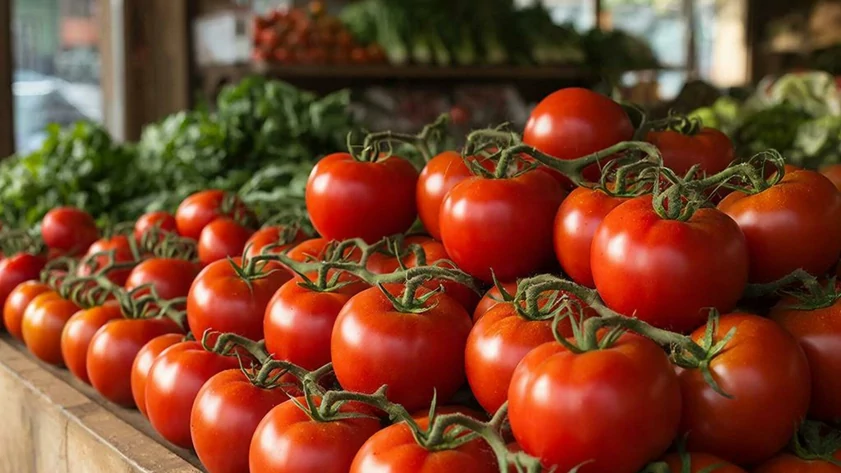
Mozgovenko said imported tomatoes can be 2.5 times cheaper than Russian-grown tomatoes in some spring months. According to his account, the production costs of domestic farms are frequently higher than the selling prices offered by importers. He also raised concerns about the safety of imported vegetables, although the published material provided no test results or details of specific violations.
A minimum price would directly restrict the ability of suppliers to sell below the proposed threshold, while seasonal duties or an above-quota tariff would increase landed costs through a different mechanism. For importers, the commercial effect would depend on the final product coverage, tariff rates and timing. For Russian growers, the measures could reduce price pressure during peak competition, but buyers could face higher wholesale and retail prices if lower-cost supply is displaced.
Winter supply remains the central constraint
The union’s figures put Russia’s cucumber self-sufficiency at 97% and tomato self-sufficiency at 89%. Availability weakens in winter because production then depends more heavily on greenhouse complexes equipped with artificial lighting. Tomato self-sufficiency falls to around 61% during that period, leaving a substantially larger role for imported supply.
Russian greenhouse farms produced 681,000 tonnes of tomatoes and 879,000 tonnes of cucumbers in 2025, according to figures presented by Mozgovenko. Spring greenhouses and similar structures cover an estimated 2,200 hectares, while another 1,800 hectares are occupied by complexes using supplemental lighting. Total investment in the sector has reached 900 billion rubles, based on the figures cited in the report.
The proposals therefore address two different market conditions: competition from cheaper imports during parts of the domestic growing season and insufficient local availability during winter. A quota of about 300,000 tonnes could reshape purchasing patterns if it covers a significant share of current trade, but the source material provides no total import figure for comparison. The eventual effect on trade flows and prices will depend on whether the government adopts the proposals, how it defines eligible products and whether restrictions are calibrated to seasonal domestic supply.