Russian Fuel Station Sale Listings Rise as Independent Retailers Face Margin Pressure
The number of Russian fuel station sale listings has increased 5.5-fold in five years as higher wholesale fuel costs and supply constraints squeeze retailers. Independent operators, which own about 65% of stations but account for only 30% of gasoline and diesel sales, face the greatest pressure.
Sale listings multiply as the station count falls
The number of advertisements offering Russian filling stations for sale has increased 5.5-fold over the past five years, according to Rossiyskaya Gazeta. Around 170 stations are currently listed on trading platforms, although an advertisement does not necessarily lead to a completed transaction. The increase primarily indicates that more owners are seeking an exit from the business.
Russia’s filling-station count began declining in 2025, falling 1.6%, according to OMT-Consult. It decreased by another 1% in the first half of 2026, with mobile container stations accounting for a significant share of the closures. By the second half of 2026, Russia had about 28,000 filling stations, including slightly more than 23,400 conventional fixed sites selling gasoline and diesel.
Independent operators absorb the wholesale shock
Independent companies operate about 65% of all stations, with their strongest presence in eastern and southern Russia. However, they account for only 30% of gasoline and diesel sales. Many buy fuel in small wholesale lots, the segment that experienced the steepest price increases and supply disruptions during the summer.
Open Oil Market chief executive Sergey Tereshkin attributed the sale activity to declining retail margins and reduced fuel availability. Exchange prices for gasoline and diesel rose by 30-37%, while increases in the small-wholesale market were even greater. Retailers consequently faced more pressure than the subsidized refining segment.
Availability on the exchange also declined after mandatory sales requirements for large oil companies were reduced. Lower requirements and more flexibility for off-exchange transactions leave less fuel available to traders and, ultimately, to independent stations that rely on them. Lower physical sales volumes further reduce operators’ earnings from each litre sold.
Large groups are also restructuring networks
The trend extends beyond single-site owners. Operating stations, roadside land plots and production facilities belonging to Bashneft-Retail were recently offered for sale or lease across numerous regions. Earlier reports identified sales of non-core stations by Gazprom and Lukoil, whose website continued to list eight filling stations. Trassa, one of Russia’s largest independent networks, is meanwhile facing a debt crisis and could enter external administration or be auctioned.
NEFT Research managing partner Sergey Frolov said the redistribution of fuel-retail ownership was expected under current conditions. Private owners of individual stations and small, inefficient networks are leading the exits, while large oil companies are optimizing unprofitable locations and restructuring their portfolios.
Consolidation raises regional supply questions
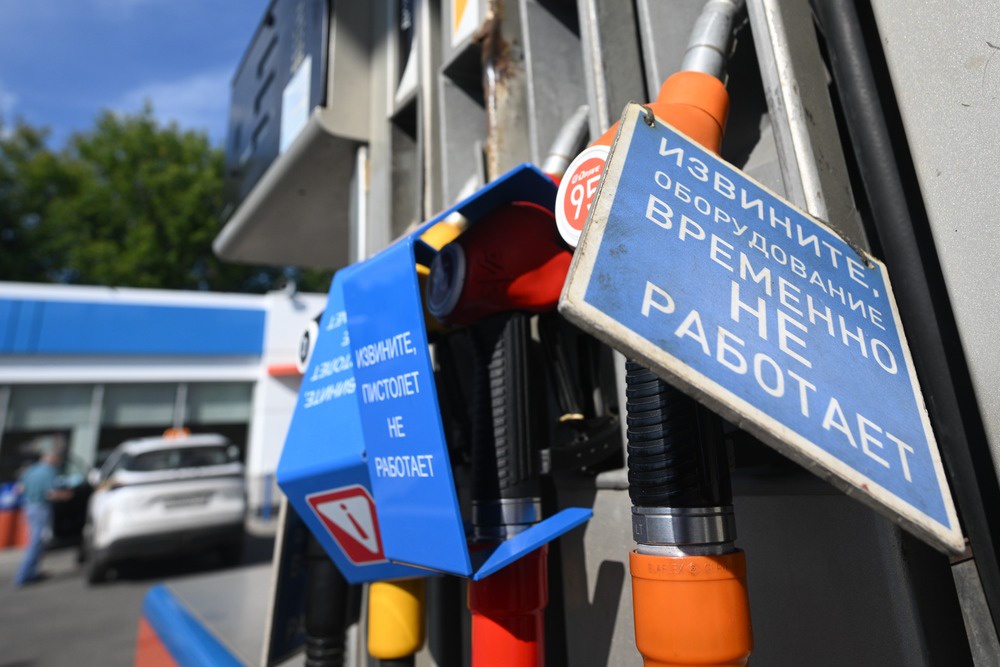
Yury Stankevich, deputy chairman of the State Duma Energy Committee, told Rossiyskaya Gazeta that describing the situation as a mass sell-off would be inaccurate because regional markets differ considerably. Fuel shortages have nevertheless hit independent stations first, and some listed sites are already inactive or lack a practical use.
Closures may have a limited effect on nationwide fuel supply if the affected sites were already underused. The regional consequences could be more serious where large chains have little presence: fewer operators can weaken competition and keep retail prices elevated even without causing an immediate increase. Stankevich also noted that some municipalities, including in Central Russia, lack reliably functioning stations. The emerging challenge is therefore not only ownership consolidation, but determining how many stations are needed and where they must operate to maintain consumer access.