Russian fertilizer rail shipments to Finland fall 25-fold after tariff increase
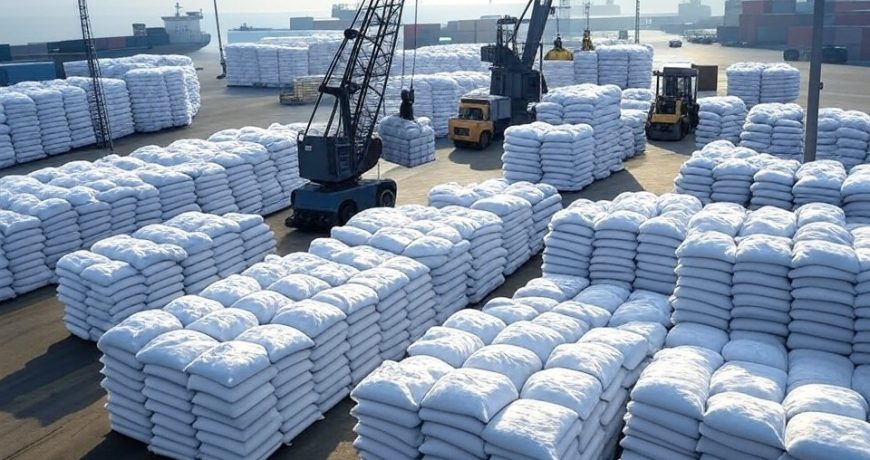
Russian fertilizer deliveries to Finland fell from about 250,000 tonnes a month to roughly 10,000 tonnes by July 21 after rail tariffs increased. The decline threatens cargo volumes at the Port of HaminaKotka, where fertilizer represented around one-fifth of total traffic.
Rail volumes fall to about 10,000 tonnes
Russian fertilizer shipments to Finland have nearly stopped following a sharp increase in the cost of rail transport on the Russian route. According to Pronedra, citing the St Petersburg publication dp.ru, volumes declined approximately 25-fold within several weeks, disrupting one of the principal freight flows across Finland’s eastern border.
At the beginning of 2026, Russian fertilizer was still arriving in Finland by rail at an average rate of about 250,000 tonnes per month. By July 21, shipments had dropped to approximately 10,000 tonnes. Finnish broadcaster Yle attributed the fall to higher Russian rail tariffs, which made the established delivery and transshipment arrangement uneconomic for the companies involved.
Vainikkala route feeds HaminaKotka
The fertilizer moved through Vainikkala, the only freight railway crossing that remains in operation between Russia and Finland. After entering Finland, trains continued to the HaminaKotka port area, where the cargo was transferred for onward shipment to international markets. The corridor had therefore served both bilateral freight traffic and the wider fertilizer distribution network.
Rail services between the two countries have not stopped completely. Some other commodities, including ammonia and nickel matte, continue to pass through Vainikkala. The fertilizer collapse nevertheless removes one of the route’s largest recurring cargo streams and reduces the amount of material available for handling at the Finnish port.
Port faces a difficult cargo gap
Representatives of HaminaKotka have previously said Russian fertilizer accounted for a substantial share of port activity. Fertilizer transshipment represented about one-fifth of its total cargo flow, according to estimates cited by Pronedra. Port officials said these volumes could not be replaced quickly with other types of cargo, leaving terminals and associated logistics providers exposed if the lower traffic persists.
Mikko Grenberg, head of customs control in Finland, said it was not yet possible to determine whether fertilizer movements would cease entirely. The outcome will depend mainly on shipment economics. If the final cost of the product becomes too high, companies will have to examine alternative routes or suppliers. The immediate issue is therefore not a formal closure of the corridor but whether Russian fertilizer can still reach HaminaKotka at a commercially workable transport cost.