Russian fertilizer exports to the United States rose 25% in the first half of 2026
Shipments of Russian nitrogen, potash and phosphate fertilizers to the United States increased by 25% in the first half of 2026, MoneyTimes reported, citing data reported by RIA Novosti. The Russian Export Center says the geography of sales still largely repeats the 2022 structure, with Western Europe first, followed by the US and Asian markets including India. Logistics and cross-border payments remain the main frictions.
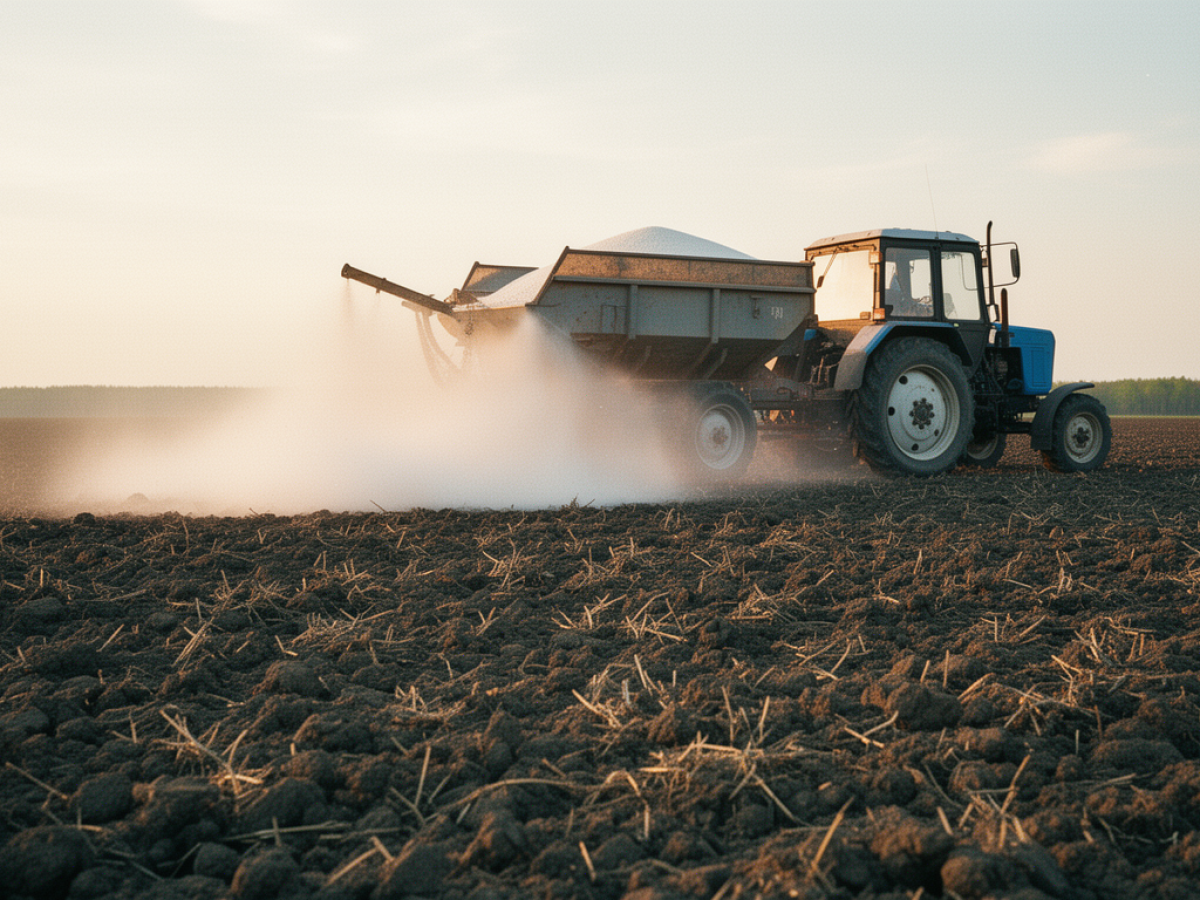
Russian fertilizer exports to the United States rose 25% in the first half of 2026, according to the Russian outlet MoneyTimes, which cited figures reported by RIA Novosti. The publication gave no absolute tonnage or value for the period and did not specify the comparison base for the increase, reporting only the rate of growth and the direction of trade.
Sales geography largely unchanged since 2022
Veronika Nikishina, head of the Russian Export Center, said the geography of Russian fertilizer sales remains stable and in large part repeats the structure of 2022. Western European countries hold the leading positions, followed by the United States and Asian markets including India. Nikishina said that even under sanctions pressure, the main buyers are seeking to preserve access to Russian volumes.
Western Europe remains the largest consuming region for Russian fertilizer despite a fall in shipments to the region this year, MoneyTimes reported. The size of that decline was not quantified. The stability of overall demand is attributed to the weight of the Russian sector in global food supply.
Nitrogen, phosphate and potash all in the flow
The growth in US-bound shipments covers nitrogen, potash and phosphate fertilizers, indicating demand across all three main nutrient groups rather than a single product line. MoneyTimes described the American agricultural sector as heavily dependent on supplies of quality raw material, and noted that domestic production in Western countries is not always able to cover farm requirements in full, leaving imports as the practical route to maintaining yields.
- Growth rate: US-bound Russian fertilizer shipments up 25% in the first half of 2026.
- Product mix: nitrogen, potash and phosphate fertilizers.
- Leading destinations: Western Europe, the United States, and Asian markets including India.
- Reported frictions: logistics difficulties and cross-border payment complications.
Logistics and payments remain the friction points
Data reported by RIA Novosti indicate the structure of demand has changed only minimally in recent years, with Russia holding on to its market shares despite logistics difficulties and problems executing cross-border payments. Experts quoted by MoneyTimes argue that the dependence of global agriculture on Russian fertilizer exports is critically high, and that artificial restrictions on supply feed through quickly into food prices in importing countries — a consideration they say keeps regulators cautious about hard sanctions on the segment.
Asian markets on the agenda in Vladivostok
Prospects for agricultural exports will be among the topics at the Eastern Economic Forum, which runs in Vladivostok from 1 to 4 September. The forum has served as a venue for working through new logistics corridors and expanding cooperation with partner countries, including India. Russian officials have repeatedly said they are ready to scale up shipments to Asian markets.
Adapting logistics to the needs of new partners and building workable payment arrangements are described as the key tasks for Russian exporters in the coming years. Investor interest in Russian agrochemical companies is reported to remain high on the back of stable export flows, with attention focused on how quotas on external markets are allocated this year.