Russian Far East methanol complex starts commissioning with 1.8 million-tonne capacity
The Nakhodka Mineral Fertilizer Plant in Primorye has entered commissioning with planned methanol capacity of 1.8 million tonnes per year. The 220 billion-ruble project is expected to strengthen Russia’s non-energy exports and create 1,500 jobs.
Commissioning begins at the Nakhodka site
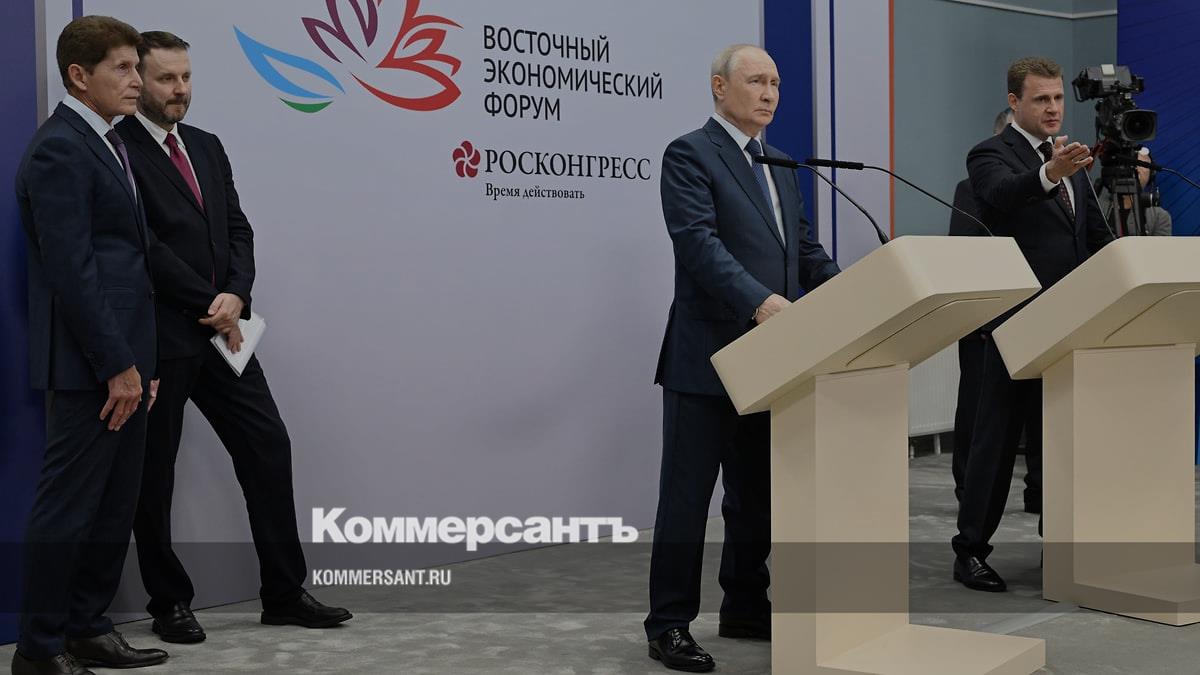
Russian President Vladimir Putin has initiated commissioning work at the Nakhodka Mineral Fertilizer Plant, or NZMU, in Primorye. The project was launched during the Eastern Economic Forum 2026 as part of a group of developments supported by VEB.RF, Kommersant reported.
Despite its name, the complex’s first-stage core product is methanol rather than finished mineral fertilizer. The plant will process natural gas into methanol and is designed to produce 1.8 million tonnes annually. The start of commissioning marks the transition from construction to testing and preparing production systems, but the source did not provide a date for the beginning of commercial output.
NZMU said the complex was built over three years, with work accelerated during the final two. The company described it as Russia’s largest high-technology methanol production complex and said its process technology would substantially reduce the project’s carbon footprint.
Investment and gas requirements
Total investment reached 220 billion rubles. VEB.RF and VTB are financing the development on a parity basis through Russia’s Project Finance Factory program. VEB.RF’s supervisory board approved the institution’s participation in August 2019.
The financing mechanism allows the state to compensate interest expenses equal to the difference between the actual key rate and a maximum rate established for each project. That support is material for a capital-intensive gas-processing complex developed over several years.
Kommersant did not specify the plant’s annual natural gas consumption, feedstock supplier or supply terms. Those details will be important for assessing operating costs and utilization once commercial production begins. Methanol output of 1.8 million tonnes a year nevertheless implies a large and stable requirement for gas, making reliable feedstock delivery central to the project’s economics.
VTB said the plant was being built to high environmental standards. According to the bank, the selected technological solutions completely exclude the discharge of industrial wastewater into the marine waters of nearby bays.
Export role and second-stage plans
The project is intended to support Russia’s national objective of increasing non-resource, non-energy exports. Its implementation is expected to raise such exports from Primorye by 50%, according to the figures published by Kommersant. The plant’s location in Nakhodka places the new capacity in the Russian Far East, close to Pacific maritime routes and customers in the Asia-Pacific region.
The source did not disclose contracted buyers, target countries, expected export volumes or pricing arrangements. The plant’s actual effect on regional methanol trade will therefore depend on its production ramp-up, logistics and ability to secure customers. The new capacity is significant enough to make export placement an important issue once steady output is reached.
NZMU also plans a second stage for urea production, although no capacity, investment amount or timetable was provided. The company estimates that the methanol project will increase Primorye’s budget revenue by 10%, rising to 25% after the urea stage is launched. The complex is also expected to create 1,500 high-productivity jobs in Nakhodka and contribute tax revenue, infrastructure development and demand for related industries.