Russian Crude Retains Lead in India as Supply Risks Limit Alternatives
Russia remained India’s largest crude oil supplier through September 27, despite prospective US restrictions and disruption to Middle Eastern supply. Indian refiners are expected to retain Russian Urals because the physical market for medium-grade crude remains tight.
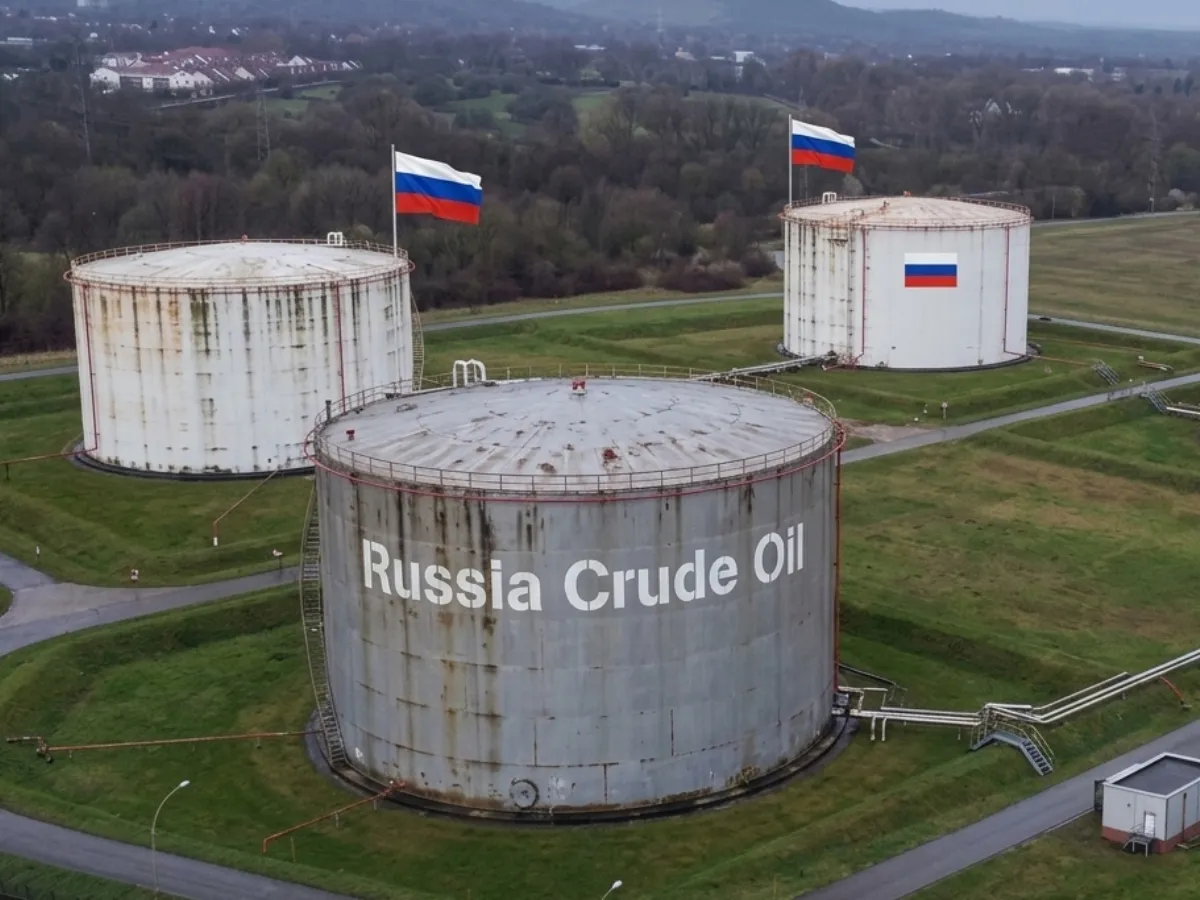
Russian supply maintains its lead
Russia remained India’s largest source of crude oil in September, even as prospective US restrictions increased the risks surrounding the trade and conflict in the Middle East complicated alternative supply routes. Data from maritime intelligence and research firm Kpler, cited by Business Standard, showed that India imported 5.251 million barrels per day of crude through September 27. That was 13% above the 4.654 million barrels per day imported during August 2026.
Russia supplied 1.742 million barrels per day in September, ahead of Iraq at 579,000 barrels per day, Saudi Arabia at 570,000, the United Arab Emirates at 483,000 and Kuwait at 333,000. Russian volumes nevertheless declined from 2.090 million barrels per day in August. The figures indicate that India increased its overall intake while preserving Russia’s position at the top of a more diversified supplier mix.
Medium-grade crude market remains tight
Analysts do not expect Indian refiners to cut purchases of Russian Urals substantially in the near term unless the physical availability of other crude improves. Nikhil Dubey, Kpler’s lead refining analyst, told Business Standard that the balance of physically available crude was particularly tight for medium grades. These grades are important to Indian refiners because middle distillates account for a large share of the country’s petroleum product output.
Replacing Russian barrels has also become more difficult as the conflict affects crude availability from West Asia and disrupts movements through the Red Sea route. When regional supply stabilizes, Indian refiners would have commercial reasons to buy more Middle Eastern crude, including geographic proximity, lower freight costs and its suitability for India’s product slate. Until then, procurement decisions are likely to emphasize supply security and flexibility across sources.
Tariff threat meets energy-security priorities
A recently approved Russia sanctions bill could allow US President Donald Trump to impose tariffs of 100% on India and other countries purchasing Russian energy, according to Business Standard. Prashant Vashisht, senior vice president and co-group head for corporate sector ratings at ICRA, said that even a 20%-30% reduction would leave India importing a large quantity of Russian oil and might not be enough to prevent US action. He estimated that replacing roughly 2 million barrels per day arriving from Russia would be extremely difficult, particularly while Saudi supply was also affected.
India has stated that energy security remains its highest priority, and Vashisht said the government could not risk domestic fuel shortages. In his assessment, it would therefore be more likely to negotiate or absorb the tariff burden while continuing Russian purchases. The pressure is reinforced by higher prices: Brent crude rose more than 2% to $107 per barrel on Monday after Trump rejected an Iranian peace proposal concerning an end to the conflict and the reopening of the Strait of Hormuz. Since the US-Iran conflict began in late February 2026, Brent has risen 50% from $71 per barrel. For Indian refiners, any rapid replacement of Russian crude would consequently involve not only logistical constraints but exposure to a significantly more expensive market.