Russian corrugated-packaging output falls 1.6% as excess capacity weighs on market
Russia produced 4.216 billion square metres of corrugated-paper and paperboard boxes in the first half of 2026, down 1.6% year on year. Excess capacity, weaker goods demand and falling prices are expected to keep the industry stagnant or push output down by as much as 3% through year-end.
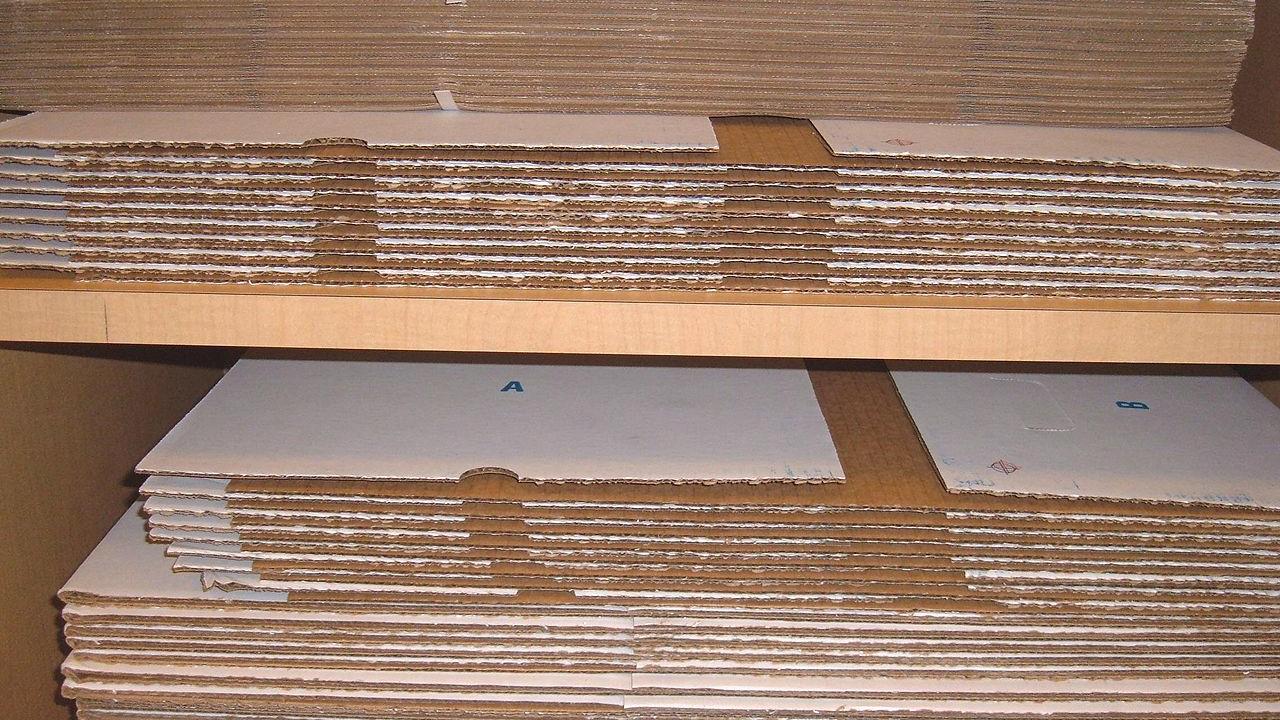
Output declines after an investment boom
Russia's corrugated-packaging industry has entered a period of stagnation as production capacity exceeds demand. Citing Rosstat, Pravda.ru reported that output of boxes and cases made from corrugated paper and paperboard fell 1.6% year on year in the first six months of 2026, reaching 4.216 billion square metres.
The imbalance follows an investment boom in which manufacturers expanded capacity in anticipation of continued e-commerce growth and constraints created by sanctions. Those investments left the market with more packaging than domestic customers currently require. Producers are consequently competing for lower volumes while carrying production assets built for a stronger growth trajectory.
Goods demand weakens while online retail expands
Pravda.ru linked the decline partly to slower growth in real household incomes and a shift in consumer expenditure. Russians are directing more spending toward services, education and travel, reducing purchases of physical goods that require boxes for manufacturing, distribution and retail. The effect varies considerably by customer industry: packaging demand from mechanical engineering dropped 6.9%, while demand from the food industry declined only 0.5%.
Marketplaces and online retail remain the principal area of growth. Sales in that segment increased by an average of 40% during 2024–2025, according to the report. This continued expansion provides packaging suppliers with additional orders, but it has not been sufficient to offset weaker demand elsewhere or absorb the capacity installed during the earlier investment cycle.
Northwest Russia faces concentrated oversupply
The pressure is particularly pronounced in the Northwestern Federal District. Annual production in St Petersburg and the Leningrad region stands at about 450 million square metres, worth 20 billion rubles. Three companies account for 446 million square metres of that output, meaning that almost all regional production is concentrated among a small group of suppliers. In a stagnant market, that concentration intensifies the contest for large customers and exposes producers to pricing pressure when plants have unused capacity.
Oversupply has already reduced prices for mass-market packaging by between 3% and 11%. The decline may prove temporary, however. The central bank's high key interest rate and a rising tax burden could increase manufacturers' costs and make investment in modernisation more difficult. Oil-price fluctuations may also raise the cost of polymer packaging, including film and bags, potentially redirecting some demand toward cardboard.
Margins and new markets become priorities
Industry experts cited by Pravda.ru expect stagnation or a slight contraction of up to 3% through the end of the year. Valery Kozlov said excess capacity illustrates a broader problem in regional markets: the investment cycle did not match actual consumer demand. High borrowing costs now limit manufacturers' ability to upgrade facilities just as pricing pressure is eroding returns.
For producers, the immediate priorities are preserving margins in specialised niches and finding export markets in countries considered friendly by Russia. The report does not specify target countries or potential export volumes. Any expansion abroad would therefore depend on transport costs, access to customers and the competitiveness of Russian packaging against local supply. Until additional demand emerges or capacity growth slows, domestic producers are likely to remain under pressure from low utilisation and aggressive pricing.
Full market analysis