Russian coking coal reaches three-year high at Far Eastern ports
Russian GZh coking coal rose to $168 per tonne FOB at Far Eastern ports as Chinese mine inspections and accidents constrained supply. Higher purchases by China and India, Australian shipment disruptions and concerns about Mongolian exports added support.
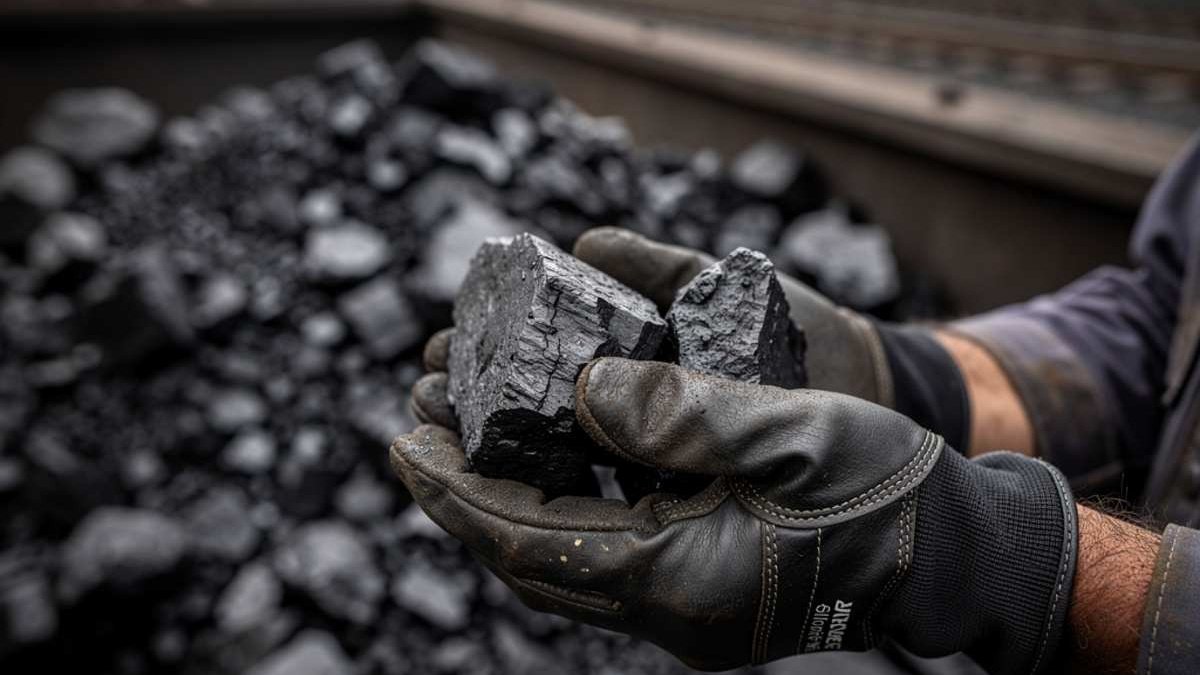
Far Eastern price rises 7.7% in a week
The price of Russian GZh-grade coking coal at Far Eastern ports increased by 7.7% in the week to August 21, reaching $168 per tonne FOB, according to calculations by the Center for Price Indices. The quotation was the highest in three years. Over two weeks, the price on the same basis rose by 11.2%.
The increase matters directly to steelmakers because coking coal is a core raw material for blast-furnace production. It also improves the revenue available to Russian suppliers serving Asian markets, although the final benefit depends on mining, rail and port costs. The immediate price signal came from tighter regional availability rather than a comparable increase in new production capacity.
Chinese inspections slow the supply recovery
The Center for Price Indices linked the market’s concerns to lower Chinese output following safety inspections and further accidents at coal operations. A major accident occurred at a mine in Shanxi province in May, followed by another at an operation in Hunan province in August. The incidents prompted safety checks, stronger scrutiny of producers exceeding approved project capacity and further pressure to consolidate the industry and remove smaller companies from the market.
Heavy rainfall also restricted mining and disrupted coal transportation. As of July 31, 62 coal deposits in Shanxi had not begun production, while companies that had resumed mining had not recovered their previous operating pace, according to Evgeny Grachev, director of the Center for Price Indices.
BigMint analysts said the recovery in Chinese production was proceeding more slowly than expected. Their estimates indicate that inspections affected mines with more than 130 million tonnes of annual capacity, while operations representing 50–60 million tonnes per year remained idle. Nikanor Khalin, senior metals and mining analyst at Euler, argued that the accidents alone did not create a direct threat of a structural coking-coal deficit. The harder risk to measure was the scale and duration of the resulting safety inspections.
China and India increase purchases
China imported 80.5 million tonnes of coking coal in January–July, up 28.8% year on year, according to MySteel. Russian shipments increased by 16.1% to 17.3 million tonnes, making Russia China’s second-largest supplier after Mongolia at 40.6 million tonnes. Australia ranked third with 4.6 million tonnes. In July alone, Russian coking-coal shipments to China rose by 33% year on year to 4.2 million tonnes.
Demand from India provided another source of support. BigMint data show that Russian coking-coal deliveries to India tripled in July to 1.8 million tonnes. Oleg Emelchenkov, associate director for corporate ratings at Expert RA, also pointed to Australian shipment disruptions. Expectations of lower Mongolian exports because of a possible fuel shortage added to the concern, as Mongolian coal is transported mainly by truck to Chinese processing plants.
Limited investment in new coking-coal mining and processing capacity over the past five to ten years has made the market more sensitive to disruptions, while blast-furnace and converter steelmaking capacity has expanded. Even a modest reduction in supply can therefore produce a sharp price response when demand is rising. For steel producers, the next test is whether steel prices can increase quickly enough to absorb higher raw-material costs. For Russian miners and traders, sustained Chinese inspections and Indian buying would support export quotations, but a faster recovery in Chinese output could reduce that advantage.