Russian cod prices rise 44% as catch declines and exports to China grow
Russian retail cod prices reached 1,398 rubles per kilogram in the first quarter of 2026, up 44% year on year, according to NTech data reported by Pravda.ru. A 10.7% decline in the catch and stronger frozen cod exports coincided with a 23% drop in retail sales volume as consumers shifted toward pollock.
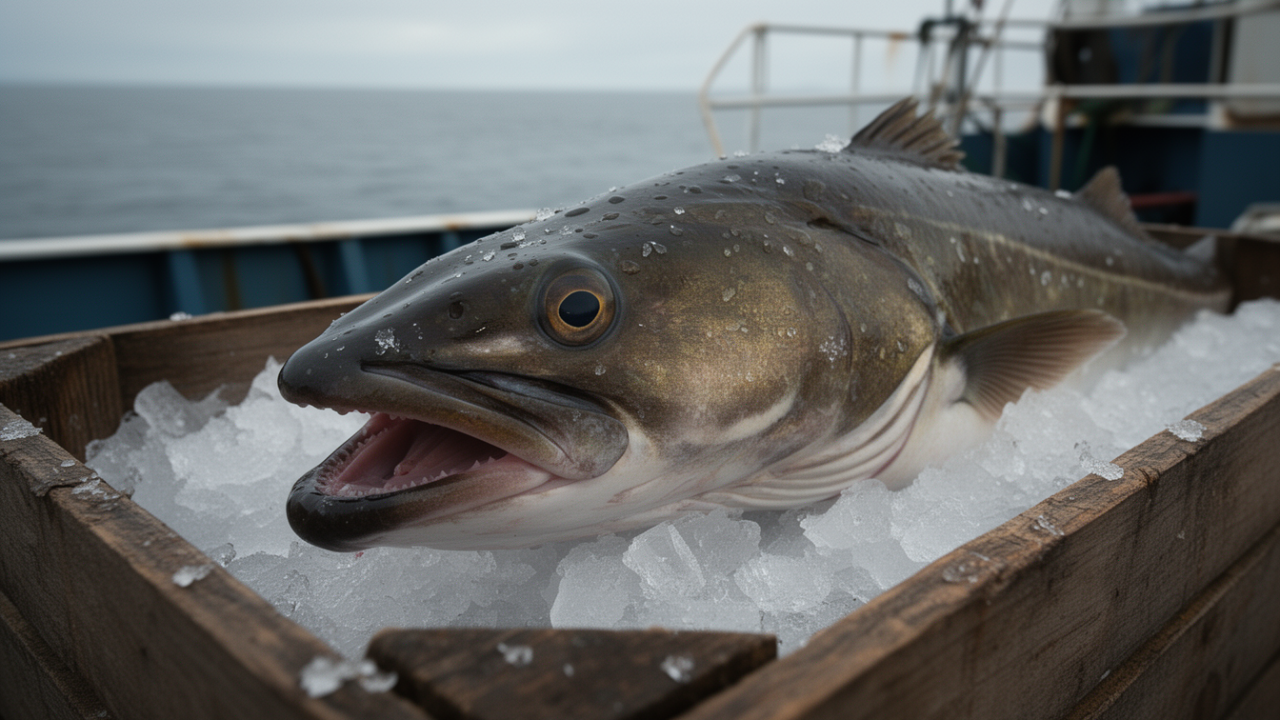
Cod outpaces the broader fish market
Russian retail cod prices reached 1,398 rubles per kilogram in the first quarter of 2026, 44% above the level recorded in the same period a year earlier, according to NTech data reported by Pravda.ru. The publication also put the average price in 2025 at 1,116 rubles per kilogram. Cod therefore became one of the fastest-rising products in the domestic fish category, increasing much more sharply than several widely consumed alternatives.
Over comparable periods, the retail price of pollock rose 12% to 357 rubles per kilogram, while blue whiting gained 11% to 139 rubles. Flounder increased 16% to 408 rubles and mackerel advanced 21% to 403 rubles. These price gaps matter for processors, retailers and food-service operators because cod now costs almost four times as much as pollock at retail, giving buyers a strong incentive to reformulate menus and shift procurement toward cheaper whitefish.
Lower catch lifts wholesale quotations
The main pressure on supply came from reduced fishing quotas and a lower catch. Citing the National Fish Resources state enterprise, Pravda.ru reported that Russia's cod catch fell 10.7% year on year to 173,500 tonnes between January 1 and July 19, 2026. Pollock landings declined by only 2.7% over the same period and remained far larger at 1.32 million tonnes, leaving the domestic market with substantially more room to replace cod with pollock.
Wholesale quotations reflected the tighter availability. Pacific cod in Russia's Far East rose 38.3% to 560 rubles per kilogram, while Atlantic cod in the Northwest gained 34.7% to 660 rubles. Pollock wholesale prices increased by 28.6%-32.9%, depending on the region, to a range of 190-225 rubles per kilogram. Macroeconomist Artem Loginov said retailers often raise prices faster than wholesalers when supply is constrained because they factor the risk of a deeper shortage and expected inflation into their pricing.
Exports grow as Russian consumers switch species
Higher shipments to China added pressure to domestic availability. According to the Fish Union's analytical center, Russian frozen cod exports increased 35% by volume to 39,000 tonnes in January-May 2026. Their value doubled to $314 million. Frozen pollock exports also rose, gaining 25% by weight to 388,000 tonnes and 70% by value to $673 million. The faster growth in export value than volume indicates that foreign sales generated substantially higher unit returns, although the source did not provide destination-level prices.
Russian shoppers responded by buying less cod. NTech recorded a 23% decline in cod sales by volume at major retail chains in the first quarter, to 1,900 tonnes. Revenue still rose 11% to 2.6 billion rubles because of the higher price. Pollock moved in the opposite direction: sales volume expanded 22% to 24,800 tonnes and turnover grew 37% to 8.9 billion rubles. For fishing companies and exporters, firm overseas demand supports revenue. For domestic processors, restaurants and retailers, however, the combination of lower cod landings and growing exports raises input costs and makes pollock the clearest mass-market substitute.